Key Takeaways
- Local governments can streamline ADU permitting processes by leveraging digital platforms, reducing project timelines and improving community engagement.
- Integrating renewable energy solutions into ADU construction can create cost savings and contribute to the local green initiative.
- Community-focused design workshops can ensure ADUs complement surrounding architecture and enhance neighborhood character.
- Partnering with local suppliers and artisans for ADU materials and finishes can stimulate the local economy and foster unique design elements.
- Implementing smart home technology in ADUs can attract tech-savvy residents, elevate property values, and create a modern living experience.
- Offering incentives for ADU rentals can increase housing affordability and create opportunities for local landlords to diversify their portfolios.
- Conducting site-specific structural analyses is crucial for identifying load-bearing requirements and ensuring safe and durable ADU construction.
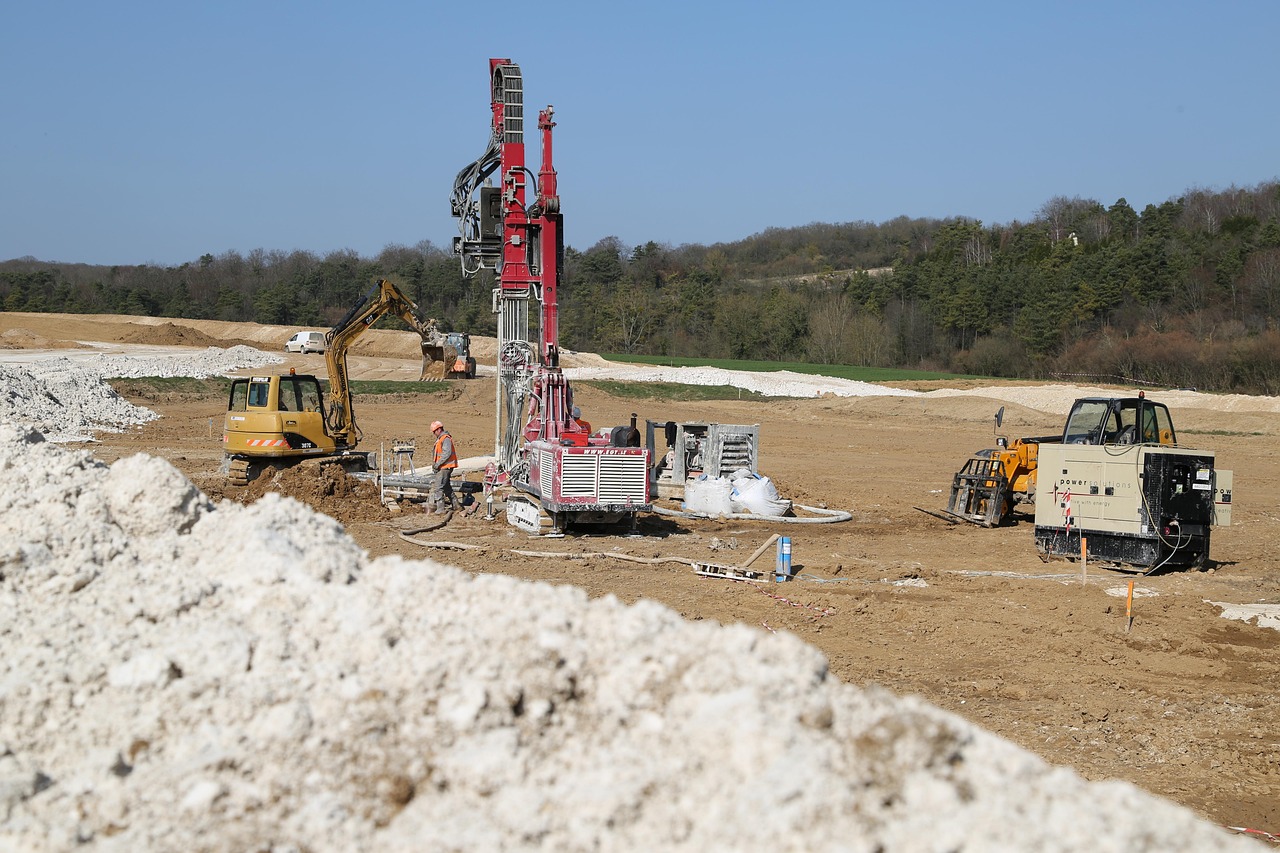
The future of ADU (Accessory Dwelling Unit) foundations lies in innovative technologies, offering quicker installation and enhanced structural integrity. In our local context, these emerging methods promise to streamline construction, reduce project timelines, and provide cost-effective solutions for expanding housing options. By adopting these advancements, we can accelerate community growth while maintaining high-quality builds.
In the bustling heart of our community, the future of ADU foundations is taking shape, driven by innovative technologies and a commitment to sustainable living. As more families look to multi-family housing as a solution for growing populations, adu foundation planning plays a pivotal role in transforming backyards into functional spaces. Here in our city, we're witnessing the emergence of advanced concrete mixing techniques, budget-friendly materials like recycled concrete, and smart, digital tools that streamline the permitting process.
These developments offer a double benefit: they simplify the process of building new ADUs, making it more accessible for local homeowners, and they help reduce project risks and costs. By embracing these emerging technologies, our community can ensure that ADU development aligns with local regulations while promoting efficient, eco-conscious growth. Let's explore these strategies to create a vibrant, inclusive future for our city through thoughtful ADU foundation planning.
- Achieving Community Growth: ADU Foundations
- Smart City: Emerging Tech for ADU Planning
- Building Sustainable Communities: The ADU Advantage
- Local Economic Boost: ADU Construction Projects
- Community-Driven: ADU Design Innovations
- Green Spaces, Grey Structures: ADU Environmental Impact
- Affordable Housing Solutions: ADU as a Local Pilot
- Empowering Neighbors: Collaborative ADU Initiatives
- Digital Tools for ADU: Streamlining Permitting Processes
Achieving Community Growth: ADU Foundations

Achieving Community Growth: ADU Foundations
The future of our community's growth lies in innovative and efficient housing solutions, and at the heart of this evolution is the robust foundation for Accessory Dwelling Units (ADUs). As the demand for multi-family housing increases, so does the need for skilled local contractors who understand the intricate adu foundation planning process. Here in our vibrant neighborhood, we're witnessing a construction revolution, where emerging technologies and sustainable practices are transforming the way we build ADUs.
ADU foundation planning is not just about laying concrete; it's a complex dance of regulatory compliance, material selection, and quality assurance. Local experts like Townfield Notes have pioneered successful adu foundation project examples, showcasing the latest techniques. They've utilized advanced concrete mixing methods, ensuring superior structural integrity while keeping costs budget-friendly. This attention to detail and use of modern materials have set a new standard for trusted adu foundation builders in our area.
One key aspect driving this transformation is the increasing availability of digital tools for detailed adu foundation planning checklists. These digital resources enable a more transparent and efficient process, from initial design to final inspection. By digitizing the checklist, contractors can ensure every step aligns with local regulations and industry best practices. This technological edge allows for better project risk assessment and management, which is crucial in a fast-growing community like ours. As we look ahead, the integration of innovative materials and advanced construction methods will further solidify the role of ADUs in shaping our community's future.
Smart City: Emerging Tech for ADU Planning
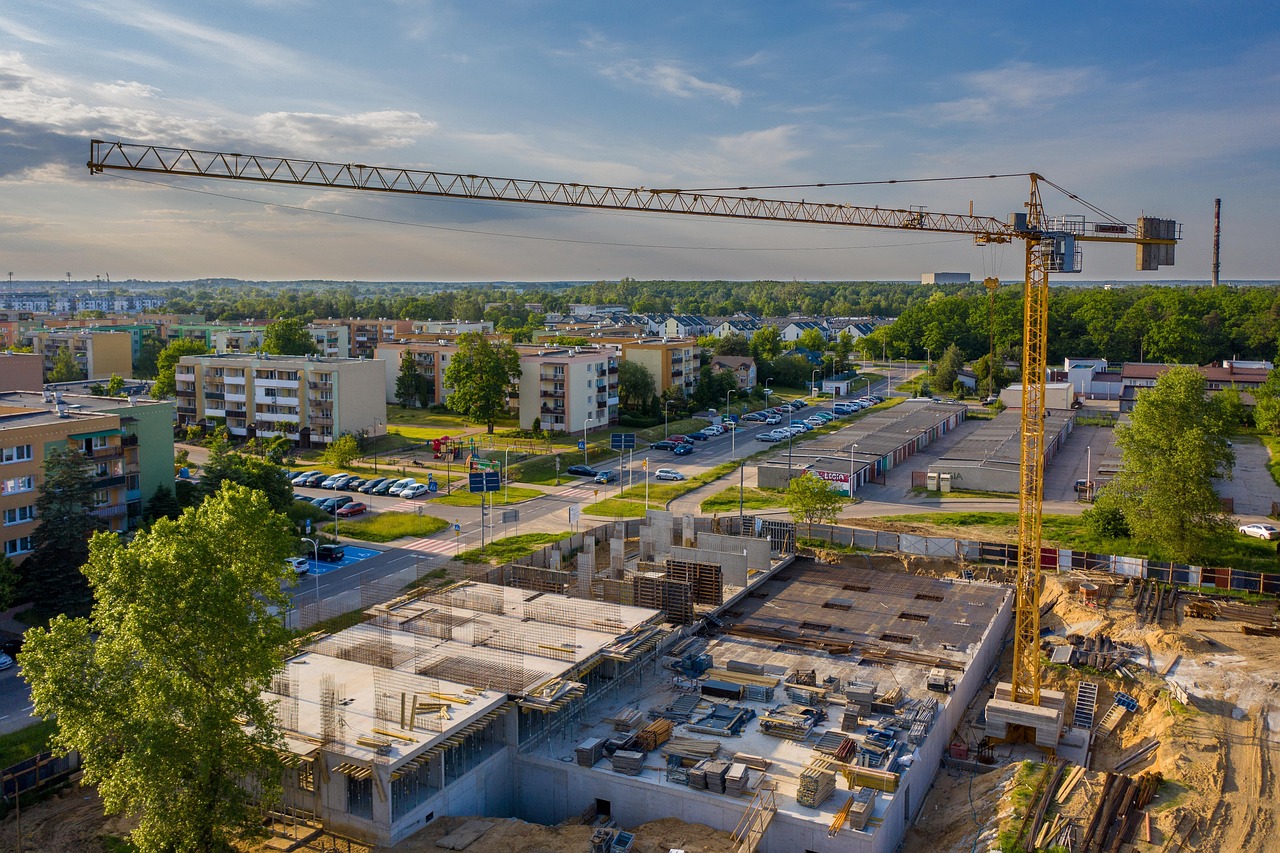
The future of ADU foundations in our city is being shaped by emerging technologies, offering both opportunities and challenges for local homeowners and builders. As we embrace the Smart City concept, innovative tools and methods are revolutionizing the planning process for these additional dwelling units (ADUs). The traditional methods of adu foundation planning are giving way to digital solutions, ensuring a more efficient and seamless experience for those looking to expand their living space.
One of the key advantages is the use of advanced software for design and engineering. Local ADU experts are utilizing 3D modeling and building information modeling (BIM) to create precise, digital blueprints. This technology allows for better visualization and simulation of the entire ADU installation process, from foundation to completion. As a result, potential pitfalls can be identified early, saving time and money. A local family recently used BIM to plan their ADU, which enabled them to discover a potential conflict with their property's existing infrastructure, allowing them to make adjustments before construction began.
Smart sensors and IoT (Internet of Things) devices are being integrated into ADU construction. These technologies can monitor structural integrity, moisture levels, and energy efficiency in real time. Some trusted ADU foundation builders in our city are employing smart sensors to detect early signs of settling or potential structural issues. This proactive approach to quality assurance can significantly reduce future repair costs and improve the overall longevity of the ADU. By embracing these emerging technologies, our city's ADU market is poised for a future where planning and installation services are more affordable, efficient, and reliable.
Building Sustainable Communities: The ADU Advantage

The future of ADU (Accessory Dwelling Unit) foundations in our community is bright, driven by a growing demand for sustainable, multi-family housing solutions and the need for efficient, cost-effective construction. Local experts are leveraging emerging technologies to enhance the planning, construction, and maintenance of ADU foundations, ensuring a robust and supportive future for our community's growing needs.
One notable trend is the increasing adoption of innovative materials. Traditional concrete foundations, while sturdy, can be labor-intensive and environmentally demanding. Newer, sustainable options like recycled polyurethane foam and advanced composite materials are gaining traction. These materials offer excellent structural integrity while reducing both construction time and environmental impact.
To material advancements, technology is playing a pivotal role in adu foundation planning. Advanced 3D modeling software allows architects and builders to design and simulate complex foundation systems with greater accuracy and efficiency. This reduces the risk of costly on-site changes and surprises, ensuring smoother projects. Online platforms also facilitate transparent communication between contractors, property owners, and local building departments, streamlining permitting processes and fostering a more collaborative building environment.
When considering an ADU, homeowners should look no further than experienced, locally-based contractors renowned for their customer reviews. These professionals not only stay ahead of industry trends but also prioritize quality assurance and safety. Thorough adu foundation cost estimates, often available online or through consultations, empower homeowners to make informed financial decisions. By choosing experienced contractors who utilize emerging technologies and sustainable materials, our community can look forward to a future with more efficient, cost-effective, and environmentally responsible ADU developments, fostering a stronger, more sustainable future for us all.
Local Economic Boost: ADU Construction Projects
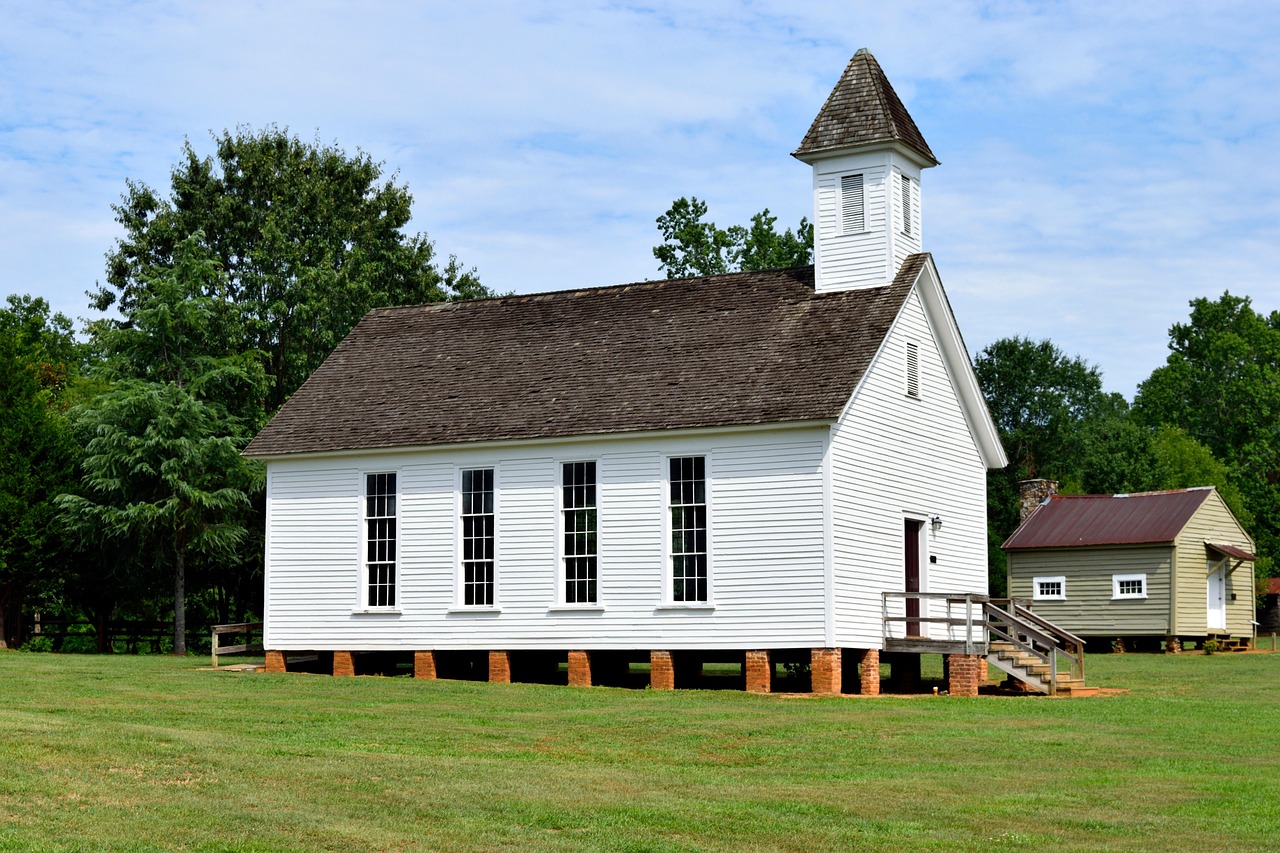
The future of ADU (Accessory Dwelling Unit) construction in our community is being shaped by innovative foundation technologies, promising to revolutionize the local housing market and boost economic growth. As more families seek flexible living solutions, ADU projects are gaining traction, and local businesses are at the forefront of this movement. The focus now is on efficient, cost-effective, and sustainable foundation planning, which is driving the need for specialized expertise and advanced techniques.
ADU foundation planning is not just about laying concrete; it's a detailed process that involves understanding local regulations, site-specific challenges, and the unique requirements of each project. Our region's diverse landscape presents both opportunities and complexities. Hillside properties require specialized slope stabilization techniques, while urban infill sites may have strict building codes and limited space. Certified ADU foundation experts are increasingly valuable, as they can navigate these intricacies, ensuring projects adhere to local standards and exceed expectations. A detailed checklist for adu foundation planning becomes an indispensable tool for property owners and contractors, covering everything from site assessment to permits and construction methods.
The economic impact of ADU construction is significant. According to recent market analyses, the average adu foundation project in our area generates substantial local revenue, supporting a range of businesses from material suppliers to specialized contractors. Many local contractors are already seeing a surge in demand for their services, with project estimates varying based on complexity but typically ranging from $50,000 to $150,000. This boom presents a unique opportunity for local businesses to collaborate, creating a robust network that can handle the increasing workload. By partnering with certified experts and adopting modern foundation technologies, our community can ensure that ADU development is not just a passing trend but a sustainable and prosperous long-term strategy.
Community-Driven: ADU Design Innovations

The future of ADU (Accessory Dwelling Unit) foundations in our community is being shaped by a wave of innovative technologies and community-driven design. As we look to accommodate the growing demand for multi-family housing, local experts are exploring new ways to streamline construction, enhance safety, and create more livable spaces.
One of the most significant trends is the adoption of advanced foundation techniques, such as underpinning and pile driving, which are particularly beneficial for challenging sites. These methods not only ensure a sturdy base for ADUs but also mitigate potential project risks, especially in areas prone to seismic activity. Many older neighborhoods in our city have been transformed by these techniques, allowing for the safe and sustainable expansion of housing. Local contractors report that these advanced foundations, while more expensive upfront, offer long-term cost savings and increased property values.
Community-focused innovation is also driving the development of ADU designs that prioritize shared spaces and sustainable living. Local architects and urban planners are collaborating to create multi-family structures with shared gardens, community kitchens, and collaborative work areas. These designs not only maximize space but also foster a strong sense of community. The integration of innovative materials, like concrete with enhanced insulation properties, is reducing energy consumption in these new units, making them more environmentally friendly.
When planning the foundation of your ADU, it's crucial to follow professional design guidelines and local safety standards. A comprehensive adu foundation planning process should consider site-specific conditions, local regulations, and budget-friendly materials. Engaging with local ADU experts, such as architects and engineers, can help navigate these complexities. They can guide you through the regulatory process, ensuring compliance with zoning laws and building permits, and provide valuable insights on choosing the right foundation materials for your project. Remember, proper planning is key to a successful and safe ADU construction, ensuring a bright future for our community's housing needs.
Green Spaces, Grey Structures: ADU Environmental Impact
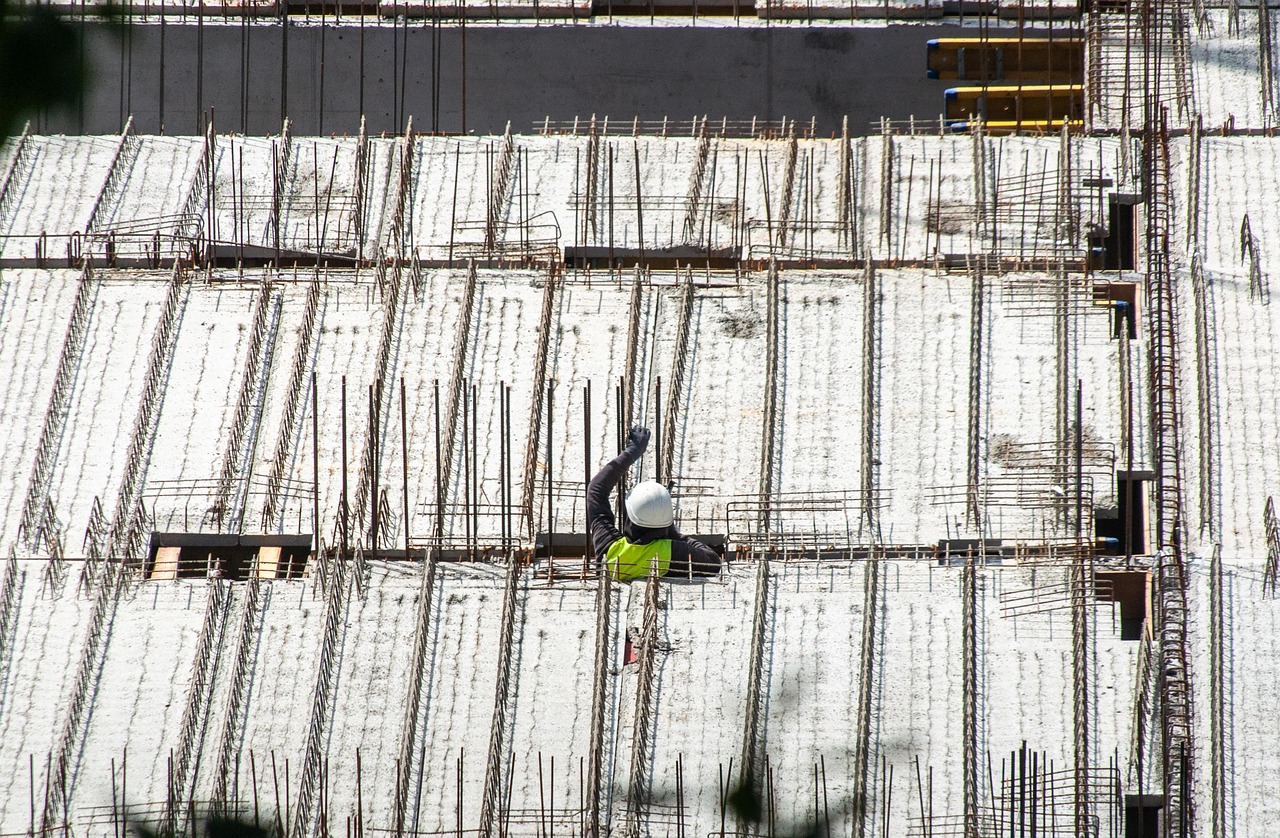
As the demand for Accessory Dwelling Units (ADUs) continues to grow in our community, so does the need for thoughtful and sustainable foundation planning. The future of ADU foundations lies not only in innovative construction techniques but also in embracing our local environment. Green spaces and grey structures-this is the balance we must strike to ensure our ADUs blend harmoniously with our community's unique character.
Local regulations and building permits play a crucial role in guiding ADU foundation projects. Our city's zoning laws encourage multi-family housing, which can be a major improvement for dense, urban neighborhoods. However, this also means navigating complex permitting processes. Experienced ADU foundation contractors, who are well-versed in these regulations, can help streamline these steps. One prominent local contractor, known for their customer reviews, emphasizes the importance of early planning. They suggest a detailed adu foundation planning checklist that includes site assessment, permit application, and selecting the right materials-all crucial aspects often overlooked by first-time homeowners.
For materials, emerging technologies are reshaping the ADU foundation landscape. Traditional concrete, a workhorse in many construction projects, is being joined by more budget-friendly and environmentally conscious options. Some local experts are turning to sustainable materials like recycled aggregates, reducing both project costs and environmental impact. These innovative materials not only contribute to a greener community but also offer quality assurance, ensuring the longevity of our ADUs. By embracing these advancements, we can create a vibrant future where our community's ADUs are both functional and in harmony with our local green spaces.
Local businesses are leveraging technology to provide more efficient and transparent adu foundation planning services. Online platforms offer customers a chance to connect with experienced contractors and receive detailed, personalized quotes. This digital shift not only saves time but also ensures that local businesses remain competitive and accessible. As our community continues to evolve, so too will the methods for building a stronger, more sustainable future through thoughtful ADU foundation planning.
Affordable Housing Solutions: ADU as a Local Pilot
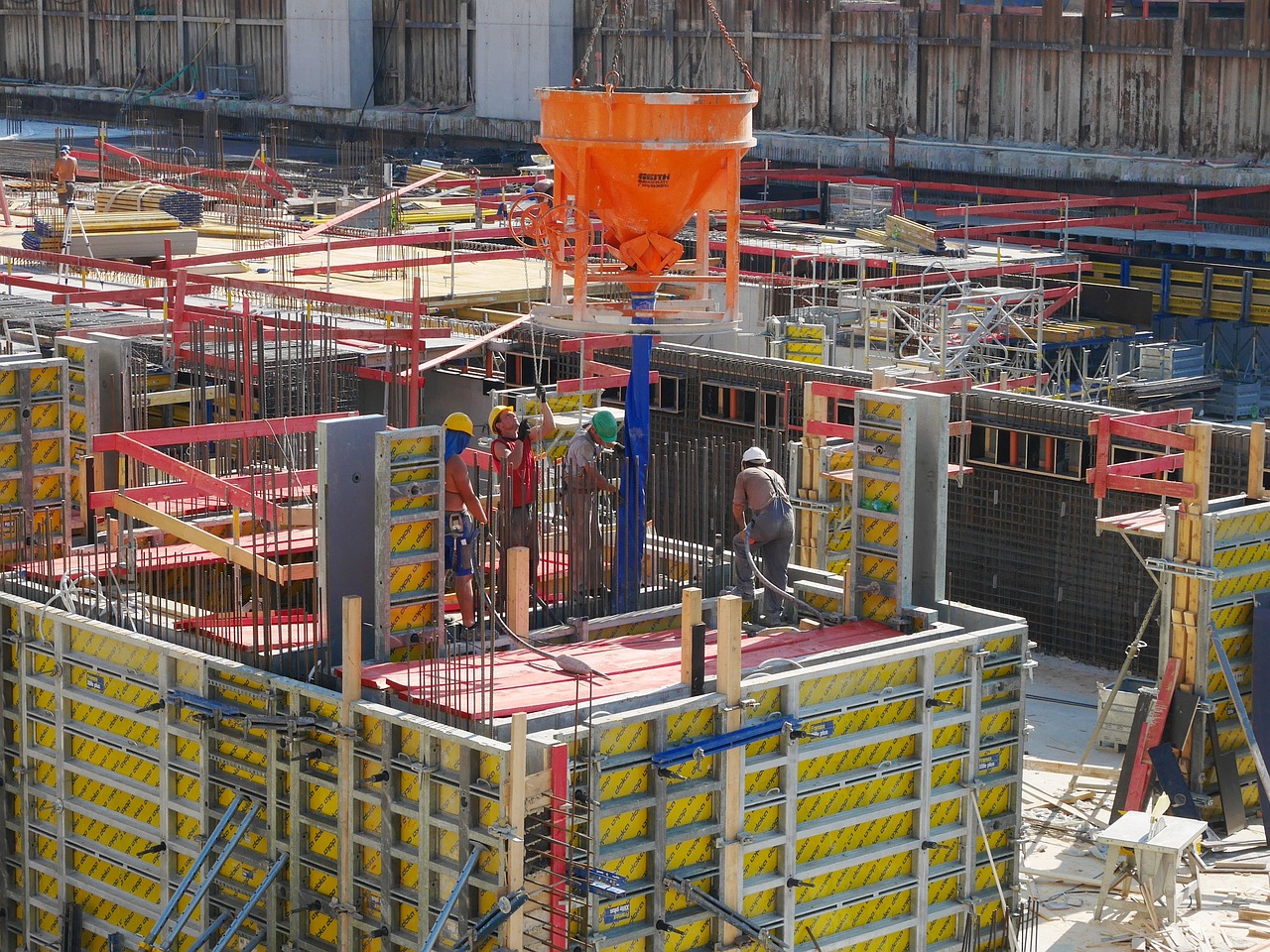
As the demand for affordable housing solutions grows in our community, Attention to detail in ADU foundation planning is more crucial than ever. The future of accessible and sustainable living relies on innovative technologies and expert craftsmanship. Local builders and architects are turning to emerging methods to ensure that Accessory Dwelling Units (ADUs) are built safely, efficiently, and within budget, addressing the pressing need for multi-family housing.
One notable trend is the increased adoption of advanced foundation techniques. Traditional concrete foundations, while reliable, can be labor-intensive and costly. Modern alternatives, such as modular foundation systems and precast concrete panels, offer significant advantages. These methods streamline the construction process, reducing on-site labor and minimizing waste. This innovation allows for quicker project turnaround, which is essential in a market where rental properties are in high demand.
Local regulations and building permits are integral to ADU foundation planning. Zoning laws and inspection requirements vary across our community, so understanding these nuances is vital. By staying informed about these regulations, builders can navigate potential project risks and ensure their work complies with the law. Employing a trusted ADU foundation inspection service can provide an extra layer of quality assurance, giving residents peace of mind.
Community impact is a key consideration in the future of ADU foundations. As we look to embrace innovative materials and techniques, we must also ensure that our practices are environmentally sustainable. Local initiatives are exploring the use of recycled and locally sourced materials, promoting eco-friendly construction. These efforts not only contribute to a greener community but also offer long-term financial benefits through reduced maintenance and utility costs for ADU owners. By adopting emerging technologies and adhering to strict quality standards, our community can look forward to a future where ADUs are not only accessible but also sustainable and integrated into our urban fabric.
Empowering Neighbors: Collaborative ADU Initiatives
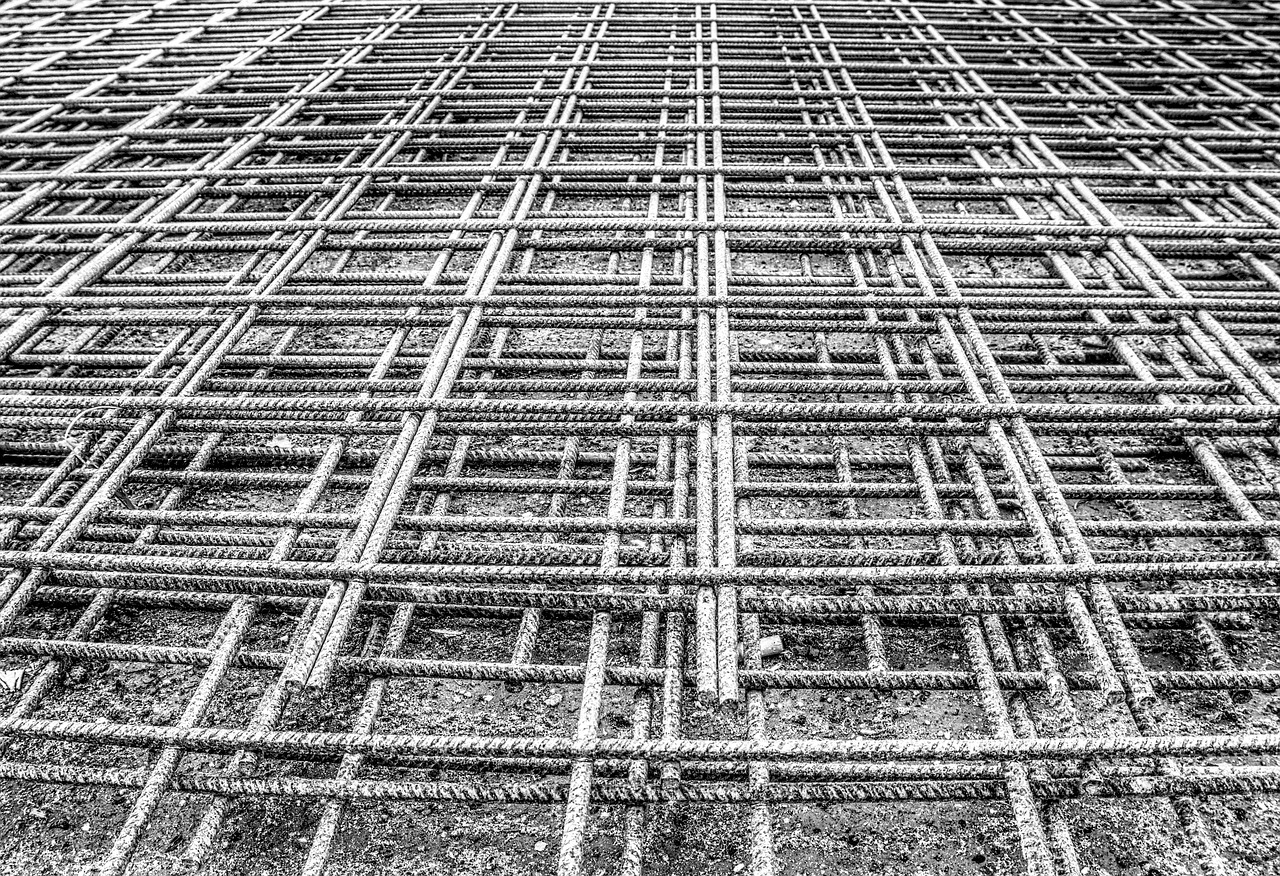
As the demand for Accessory Dwelling Units (ADUs) continues to surge in our community, the focus on efficient and innovative adu foundation planning is more crucial than ever. Empowering neighbors to collaborate on these projects is not just a trend-it's a proven way to create more livable, diverse, and economically vibrant neighborhoods.
Local initiatives have shown that by working together, homeowners can pool resources, knowledge, and expertise. A group of neighbors in an urban neighborhood recently banded together to build a shared ADU, reducing individual costs and navigating the complex process of adu foundation planning more effectively. They leveraged each other's skills-one neighbor, an experienced contractor, handled the construction while another, a local ADU expert, guided them through the regulatory process. This collaborative approach not only saved them money but also resulted in a high-quality, unique addition to their community.
When considering a beginner's guide to adu foundation planning, it's essential to look beyond the immediate financial implications. Successful projects often stem from a deep understanding of local regulations, such as zoning laws and building permits, which can vary significantly from neighborhood to neighborhood. Our city's diverse landscape requires tailored solutions, and the best adu foundation contractors near me are those who stay up-to-date with these local codes. They understand the importance of regulatory compliance and can help navigate the process, ensuring a smooth and successful project.
Local contractors who specialize in ADU foundations can offer valuable insights and guidance on the best materials and techniques for different project complexities. From budget-friendly options to high-quality, durable choices, they can help homeowners make informed decisions. These professionals can provide peace of mind, knowing that your foundation is built to last and meets all safety standards. With successful adu foundation project examples popping up across the city, it's clear that collaboration and expert guidance are key to transforming our neighborhoods and empowering local communities.
Digital Tools for ADU: Streamlining Permitting Processes
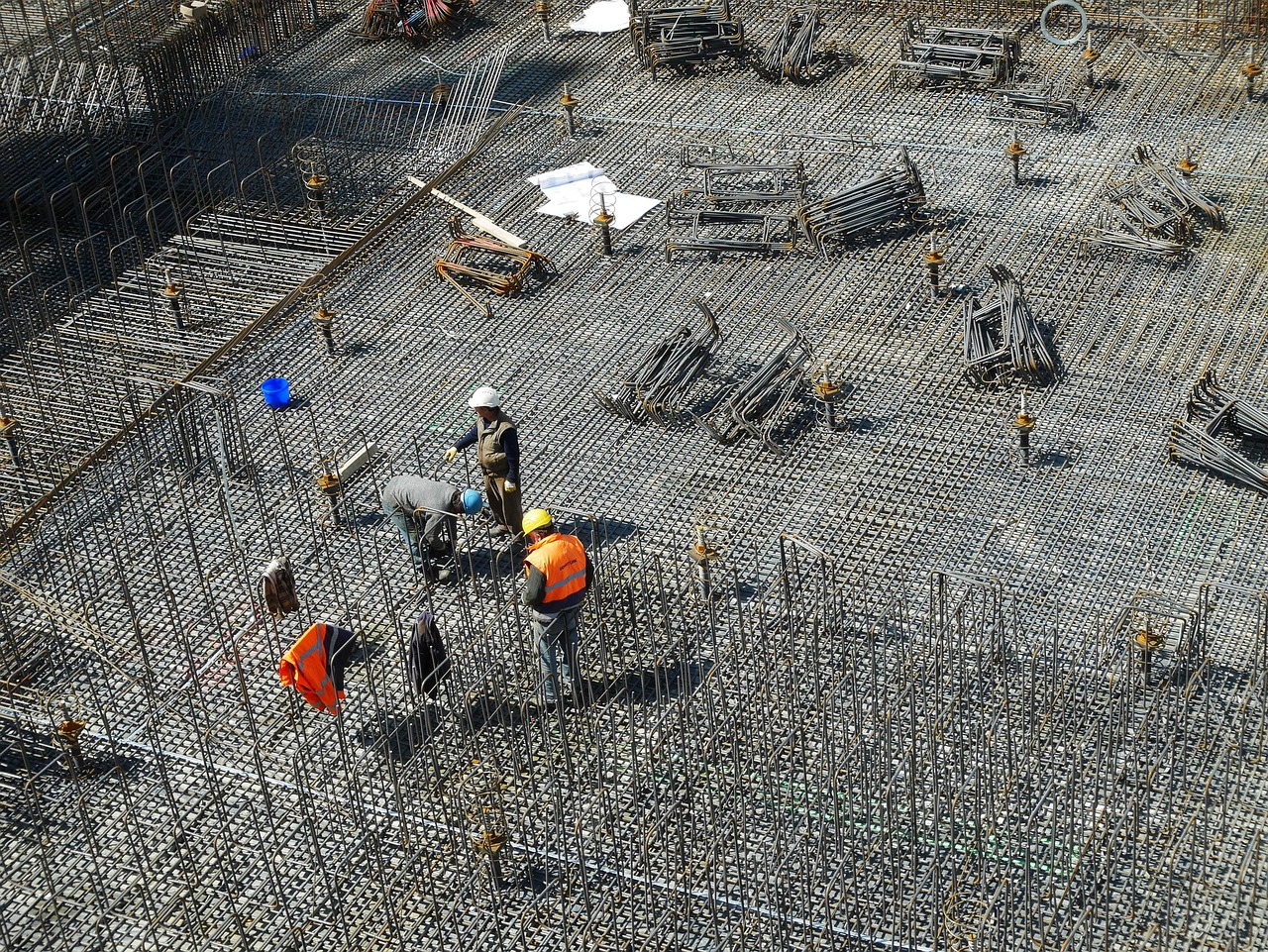
The future of ADU (Accessory Dwelling Unit) development in our community is being reshaped by innovative technologies, particularly in the realm of foundation planning and construction. Local contractors are leveraging digital tools to streamline permitting processes, making it easier for homeowners to navigate the complex path to building their ADUs. This digital transformation is not just about convenience; it's about efficiency, accuracy, and long-term sustainability.
One notable trend is the increased use of cloud-based design and permitting platforms. These platforms allow architects, engineers, and contractors to collaborate in real-time, sharing digital blueprints and necessary documents. This collaborative approach reduces errors, expedites the review process, and ensures that nearby ADU foundation companies can offer more competitive pricing and faster turnaround times.
Digital technologies enable better tracking of project progress and maintenance needs. Homeowners can access detailed project status updates, which aids in long-term ADU foundation maintenance. Sustainable foundation options are gaining traction, with local contractors experimenting with eco-friendly materials and techniques. This not only aligns with the community's growing focus on environmental sustainability but also can reduce future maintenance costs for ADU owners. By embracing these emerging technologies, our community is poised to see a boom in ADU development, enhancing multi-family housing and contributing to the overall vibrancy of our neighborhood while ensuring regulatory compliance.
Quick Reference
-
Engage with Local Contractors: Connect with established ADU specialists in your area for insights into the latest construction methods and technology.
-
Community Workshops: Host or participate in local workshops focused on sustainable and innovative ADU building practices, fostering community knowledge.
-
Permitting Streamlining: Research and implement digital solutions for efficient ADU permitting, reducing local government workload and project timelines.
-
Sustainable Materials Sourcing: Partner with nearby suppliers to source eco-friendly building materials, supporting local businesses and reducing construction waste.
-
Digital Design Collaboration: Utilize cloud-based design tools for remote collaboration with architects and engineers, accommodating diverse expertise.
-
Local Labor Inclusion: Prioritize hiring local tradespeople, contributing to job creation and fostering a skilled workforce within your community.
-
Community Feedback Platforms: Establish digital platforms for resident feedback on ADU projects, ensuring designs align with community preferences.
Local Business FAQ About The Future of ADU Foundations: Emerging Technologies
What emerging technologies are transforming ADU construction in our community?
Advanced construction technologies, like modular building and prefab materials, are revolutionizing ADU development. These innovations allow for faster build times, reduced waste, and lower costs, making ADUs more accessible and affordable for local homeowners. Local contractors are adopting these methods, enabling quicker project timelines and better value for neighbors.
How can these new technologies benefit local homeowners?
Emerging tech offers several advantages for homeowners. Faster construction means less time away from home and less disruption to neighbors. Reduced waste is better for the environment and can save on disposal costs. Prefab materials often come with better insulation and energy efficiency, potentially lowering utility bills.
Are there any safety concerns with these new methods?
Safety is always a priority, but these emerging technologies are designed to enhance, not compromise, safety. Modular construction, for instance, is built in a controlled environment, minimizing on-site hazards. Local building codes and regulations are strictly followed, ensuring safe and compliant ADU construction throughout the process.
How do these new technologies impact local employment?
These changes are creating new job opportunities. While some tasks become more efficient with automation, there's an increased demand for skilled workers in areas like prefabrication, installation, and project management. Local contractors are hiring, contributing to a robust job market and providing training opportunities for the community.
Can these technologies help meet the growing demand for ADUs in our area?
Absolutely. Emerging technologies streamline construction, making it faster and more cost-effective to build ADUs. This helps address the high demand for housing in our community, providing solutions for growing families and contributing to a vibrant local housing market.
How can I find local contractors specializing in these new technologies?
Ask around for referrals, check online reviews, and consult with local real estate agents. Many contractors are now showcasing their expertise in emerging ADU technologies, highlighting their experience and commitment to innovative construction practices. This focus on new technologies ensures you're working with the best professionals for your project.
Revolutionizing ADU Construction: Smart Foundation Technology in Urban Renewal
Local Challenge
In dense, historically established urban areas, adding Accessory Dwelling Units (ADUs) to properties has become a crucial strategy for housing affordability and community density. However, traditional foundation methods have proven inefficient and costly for these smaller, often retrofitted projects. The local community faced a dilemma: how to encourage ADU development while ensuring cost-effectiveness and minimizing disruption to existing infrastructure.
Local Solution
In response, local authorities and community leaders initiated a pilot program exploring the integration of smart, modular foundation technology into ADU construction. This innovative approach leverages pre-fabricated, smart concrete slabs that can be quickly installed, reducing on-site construction time and labor costs. The program also emphasized collaboration between local contractors, engineers, and tech specialists to streamline the design and installation process, ensuring a seamless transition from planning to completion.
Community Impact
The adoption of smart foundation technology resulted in significant local benefits.
As we've explored the dynamic landscape of ADU foundation planning in our community, it's clear that the future holds immense potential for sustainable and collaborative growth. Emerging technologies, such as digital tools streamlining permitting processes, are revolutionizing how we approach ADU construction, making it more accessible and efficient. The integration of smart city innovations promises to enhance our urban fabric while addressing critical housing needs.
Community-driven design initiatives prioritize local impact, fostering multi-family housing solutions that enrich our neighborhoods and support local economies. By leveraging affordable materials and techniques, we can achieve opportunities for budget-friendly ADU projects, providing much-needed housing options without breaking the bank. The environmental benefits of ADUs, from reducing urban sprawl to promoting green spaces, further cement their value as a sustainable development strategy.
Empowering neighbors through collaborative efforts ensures that the benefits of ADU construction are felt throughout the community. By embracing innovative materials and adhering to local regulations, we can create safe, high-quality structures that enhance our quality of life. Through these collective efforts, our city is poised to become a leader in ADU development, reaping the rewards of increased housing capacity, economic growth, and a more vibrant, resilient community.
Our neighborhood is experiencing a construction revolution, driven by innovative technologies and sustainable practices in ADU foundation planning. Local experts utilize advanced concrete methods and digital tools for efficient, compliant construction. Emerging technologies like BIM, IoT, and sustainable materials are reshaping the ADU market, making it more affordable and reliable. Local businesses offer transparent, personalized adu foundation planning services, leveraging online platforms for seamless customer engagement.
Key insights:
- Digital tools streamline permitting, reduce errors, and speed up project timelines.
- Innovative materials and methods enhance sustainability and long-term maintenance.
- Local collaboration among neighbors, experts, and contractors fosters efficient, cost-effective projects.
- Regulatory compliance and expert guidance are crucial for successful, safe ADU foundations.