Key Takeaways
Understand local zoning laws and permits: Knowledge of your area's regulations is crucial for a smooth ADU (Accessory Dwelling Unit) construction process and to avoid unexpected delays or fines.
Engage with local contractors: Building relationships with contractors familiar with your region's unique building practices and codes can save time and ensure compliance with local standards.
Consider community benefits: ADUs can enhance your neighborhood's housing diversity and accessibility. Research local initiatives promoting inclusive housing to position your project as a community asset.
Prioritize sustainable building practices: Many regions offer incentives for eco-friendly construction. Incorporating green features not only benefits the environment but may also reduce long-term utility costs.
Network with local suppliers: Partnering with local suppliers reduces delivery costs and ensures timely access to materials, crucial for adhering to your construction timeline.
Community input is valuable: Engage with your neighbors early on to understand their concerns and expectations. Open communication fosters a positive environment for your ADU project.
Local historical and architectural considerations: Respecting your area's unique character can enhance your ADU's appeal and market value while ensuring compliance with preservation ordinances.
Planning an ADU (Accessory Dwelling Unit) foundation? Focus on local building codes and permit requirements. Consult with a contractor familiar with your neighborhood's specific regulations. A well-planned ADU can add value, enhance community density, and provide affordable housing within your community. Start with a detailed design that respects neighbors' views and includes proper ventilation, access, and utilities connections for a successful and community-friendly project.
In the bustling heart of our community, where families and individuals seek affordable, accessible housing solutions, adu foundation planning has emerged as a transformative strategy. With a focus on enhancing community living and addressing local housing needs, our business is dedicated to guiding neighbors through the intricate process of building Additional Dwelling Units (ADUs). We understand the unique challenges and opportunities presented by our diverse landscape, and our expert team leverages local regulations and innovative techniques to ensure each project aligns with our community's vision.
By prioritizing budget-friendly materials, adhering to stringent local codes, and selecting experienced contractors, we help property owners navigate the complexities of adu foundation planning. Our goal is to achieve the potential of underutilized spaces, foster a vibrant community, and contribute to a prosperous, inclusive neighborhood. Together, let's build a stronger, more sustainable future for our community, one solid foundation at a time.
- Local Permitting for ADU Foundations: Step-by-Step Guide
- Sustainable ADU Design: Green Foundations for a Better Community
- Local Contractors for ADU Foundations: Expertise and Community Support
- Accessory Dwelling Unit (ADU) Investments: Building Community Wealth
Building a Strong Foundation for ADUs: Community Benefits

In many communities, adding an Accessory Dwelling Unit (ADU) is a popular solution to housing shortages and a way to promote multi-family housing. However, building a solid foundation for an ADU is crucial not just for structural integrity but also for community benefits. A well-planned ADU foundation can enhance property values, improve neighborhood aesthetics, and contribute to the overall sustainability of our living spaces.
When considering ADU foundation planning, engaging with experienced local contractors is vital. Nearby ADU foundation companies offer expert advice tailored to our region's unique regulatory landscape. Zoning laws and building permits can vary widely, and these professionals ensure compliance, saving you time and potential legal headaches. Our city's increasing demand for affordable housing has led to more flexible zoning regulations, making ADUs a viable option for many property owners.
The choice of foundation materials matters in both the cost and longevity of your ADU project. Local regulations and your budget will guide this decision. Concrete, for example, is a popular and durable choice, but it may not be the most cost-effective for all projects. Experienced contractors can recommend budget-friendly materials while ensuring the foundation meets all necessary safety and quality standards. By embracing innovative local materials and techniques, we can create ADUs that not only meet but exceed community expectations.
Local Permitting for ADU Foundations: Step-by-Step Guide
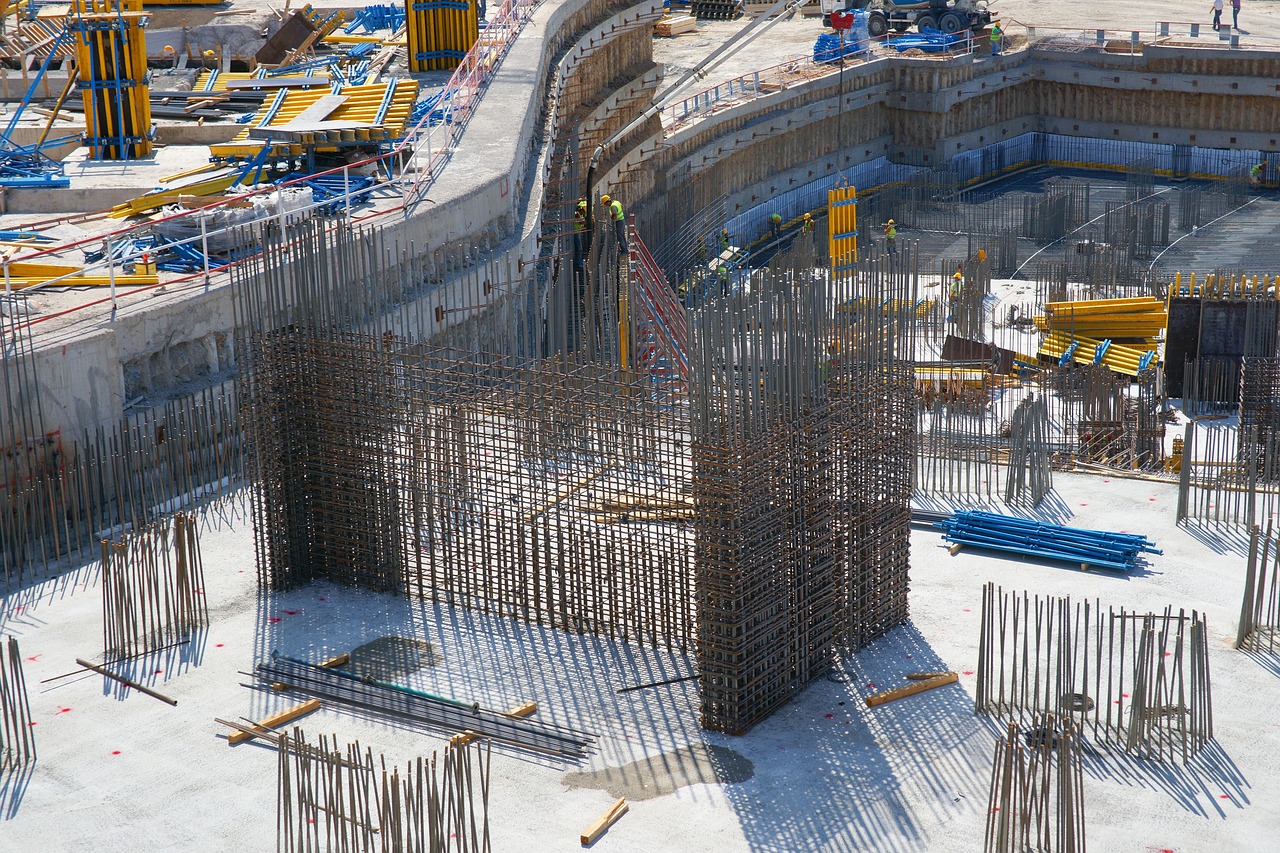
In many communities, adding an Accessory Dwelling Unit (ADU) to your property offers a practical solution to housing demands while contributing to a vibrant local scene. However, laying a solid foundation for these additional structures is crucial, and navigating local permitting processes can be complex. Understanding the step-by-step guide to obtaining permits for ADU foundations is essential for both property owners and experienced adu foundation contractors.
The process starts with assessing your property's zoning laws and building regulations, which vary across communities. Some neighborhoods may have specific restrictions on ADU placement and size, while others encourage multi-family housing as a way to increase community density. Once you understand these guidelines, the next step involves preparing detailed plans and specifications, including the type of adu foundation system most suitable for your project. Local regulations may dictate the depth and material of the foundation, so consulting with an ADU expert or contractor early on can save time and money.
Obtaining the necessary permits is a critical phase, requiring submission of your plans to the local building department. The department will review them to ensure compliance with codes, and this process can take several weeks. It's crucial to be prepared with all required documents, including architectural plans, structural calculations, and any other relevant permits. After approval, contractors can begin work, utilizing either traditional concrete foundations or innovative materials suited to local conditions. Long-term adu foundation maintenance, such as regular inspections and repairs, is also essential to ensure the structure's longevity.
Local adu foundation contractors play a vital role in guiding property owners through this process, offering expert advice tailored to specific project complexities. Their selection should be based on experience, a proven track record, and a commitment to quality assurance. By following these steps and involving the right professionals, community members can successfully navigate the local permitting landscape for ADU foundations, contributing to a thriving and diverse neighborhood.
Sustainable ADU Design: Green Foundations for a Better Community

In the vibrant community we call home, sustainable ADU (Accessory Dwelling Unit) design is not just a trend-it's a way of life that benefits both individual homeowners and the collective well-being of our neighborhood. When planning the foundation for a new ADU, focusing on green and affordable construction practices can transform a simple building project into a catalyst for community improvement.
ADU foundation planning in our area requires a deep examine local regulations, which vary but often encourage sustainable development. Many towns offer incentives for energy-efficient buildings, promoting the use of eco-friendly materials. Our region's expert ADU contractors emphasize the importance of proper site preparation, incorporating methods that minimize environmental impact. One successful local project involved a homeowner who chose a concrete foundation with recycled content, reducing their carbon footprint while adhering to the town's building codes. This not only created a solid base for their new ADU but also set a benchmark for future, sustainable developments in the community.
A detailed adu foundation planning checklist is a valuable tool for anyone considering this project. It includes steps like assessing the site's unique characteristics and soil conditions, which can influence the choice of foundation materials. Budget-friendly options, such as precast concrete panels, are popular choices due to their cost-effectiveness and quick installation. Local ADU experts advise that, while innovative materials can be attractive, ensuring a strong, durable foundation should always be the top priority. By following these guidelines and leveraging the expertise of reputable local contractors, residents can contribute to a greener, more vibrant community with their ADU projects.
Engaging Your Neighborhood: ADU Foundation Planning for All
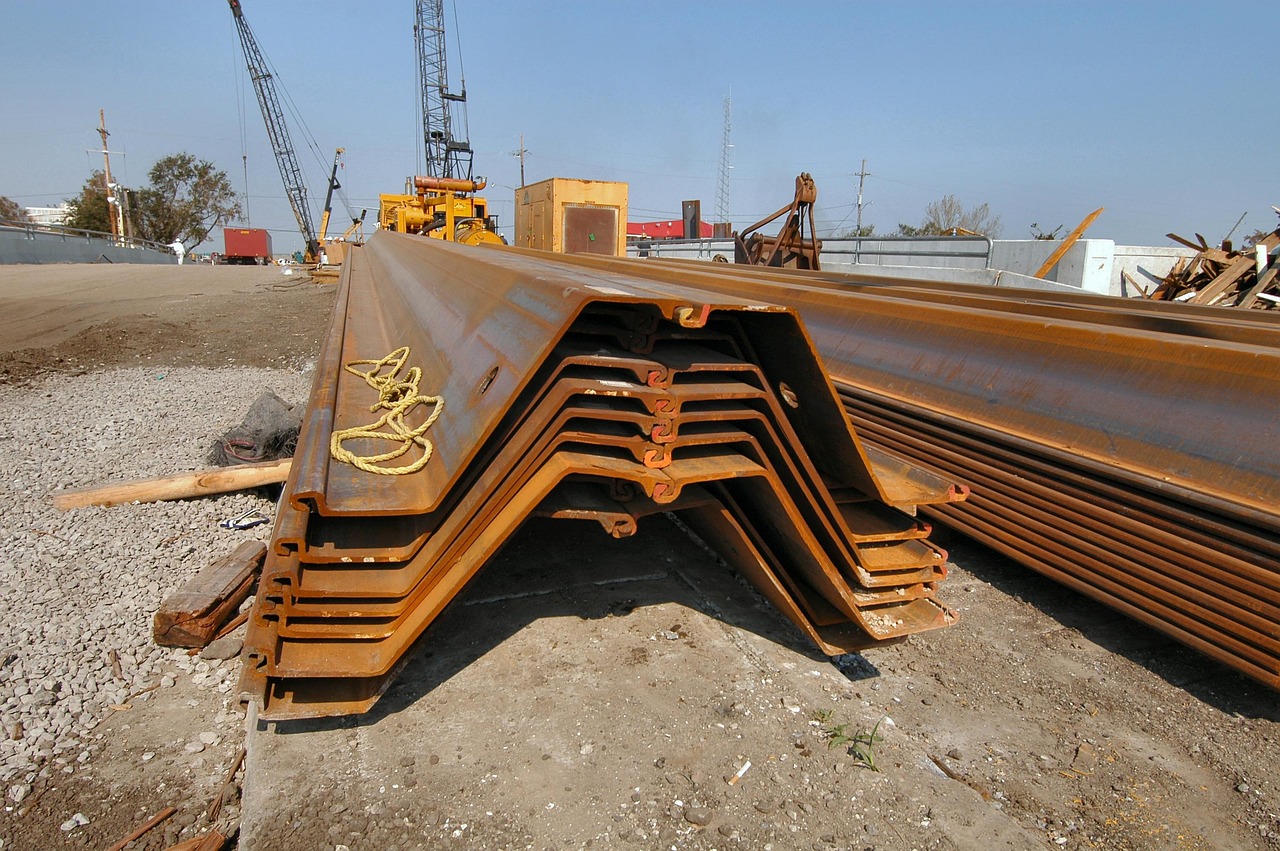
In every thriving neighborhood, the addition of Accessory Dwelling Units (ADUs) can bring much-needed housing, strengthen community bonds, and enhance property values. Yet, planning the foundation for an ADU is a complex process that requires careful consideration of local regulations, expert knowledge, and the unique needs of your community. This is where engaging your neighborhood becomes a key strategy in successful ADU foundation planning.
In our area, the demand for ADUs has been steadily growing, driven by a desire for more affordable housing and a trend towards multi-family living. Here, professional ADU foundation design plays a pivotal role. Local experts can help navigate the complex web of zoning laws and building permits, ensuring your project complies with all regulatory requirements. They can also offer tailored advice based on the project's complexity and your neighborhood's specific characteristics.
A beginner's guide to ADU foundation planning should always start with a community-focused approach. It's essential to consult with neighbors and local ADU owners to understand their experiences and address any concerns. In some areas, neighbors have expressed success with community-led initiatives that promote open communication and shared resources during the planning and installation phases. Local contractors specializing in ADU foundations can provide valuable insights into budget-friendly materials and techniques that align with our region's climate and building standards. By embracing a collaborative, expert-driven approach, your ADU foundation project can not only meet but exceed expectations, contributing positively to the local housing market and community spirit.
Local Contractors for ADU Foundations: Expertise and Community Support
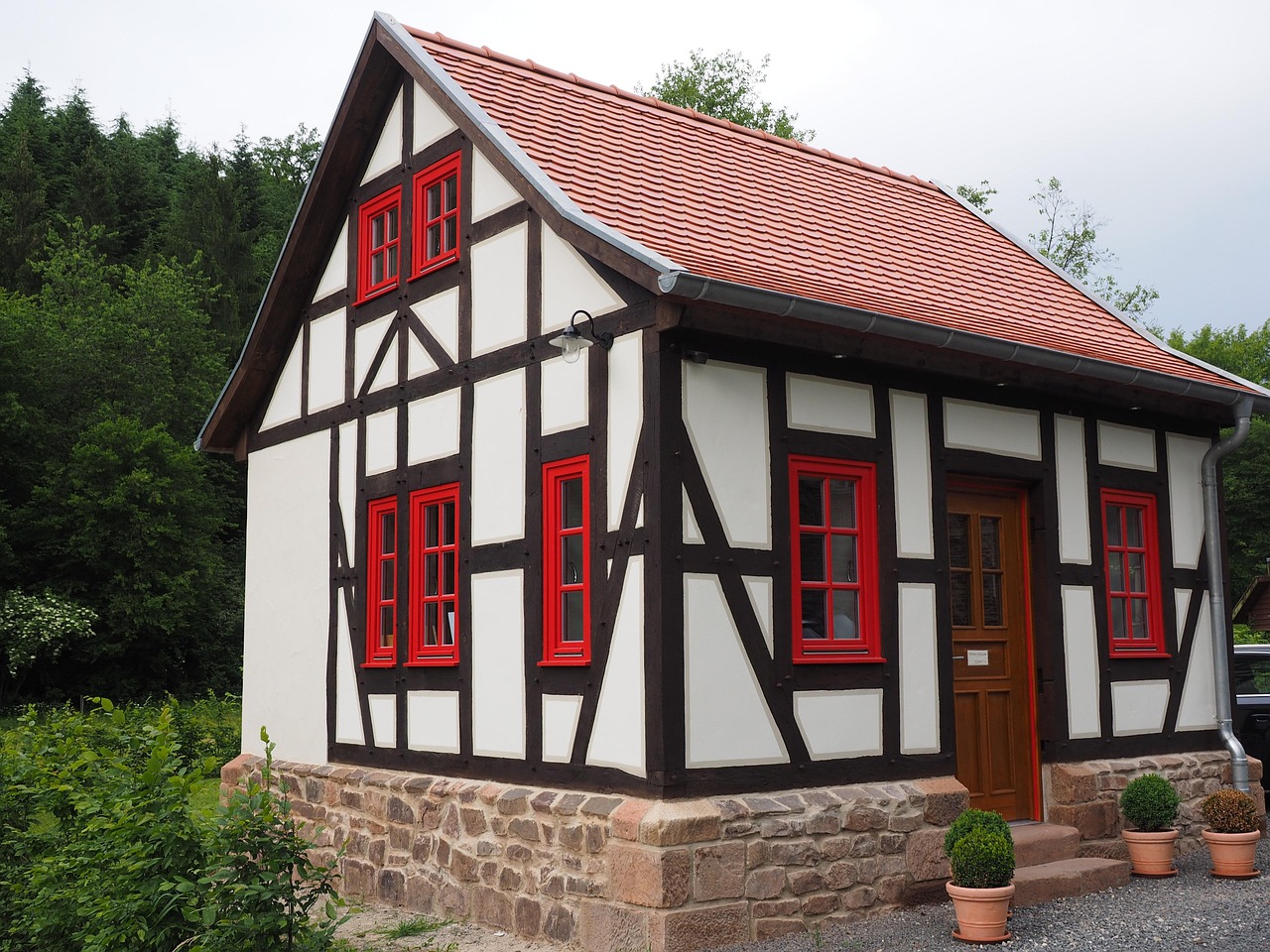
For building a successful and compliant Accessory Dwelling Unit (ADU) in our community, the foundation is not just literal-it's the strong, local support that turns a dream into reality. While the technical aspects of adu foundation planning can be complex, relying on nearby adu foundation companies who understand our unique market and regulations can make the process smoother and more affordable.
Our region boasts a thriving community of local contractors specializing in ADU foundations. These experts are not just skilled tradespeople; they're your neighbors who are passionate about enhancing the living environment. They offer invaluable expertise, navigating the complex web of local building permits, zoning laws, and inspection requirements. A well-established nearby adu foundation company might have encountered specific challenges related to our area's unique topography or building codes, enabling them to provide tailored solutions.
Choosing the right contractor is crucial. Look for companies that prioritize transparency and communication, providing detailed estimates and clear project timelines. Many of these businesses offer not just foundation construction but also valuable advisory services, helping you understand the best materials for adu foundations given our region's specific conditions. Local experts can guide you toward budget-friendly options without compromising quality, ensuring your ADU is built to last. By supporting these nearby adu foundation companies, you're investing in the community, fostering local growth, and contributing to the diverse and vibrant housing solutions our neighborhood offers.
Zoning and Property Rights: Understanding ADU Foundation Regulations

When planning an ADU (Accessory Dwelling Unit) foundation in our community, understanding the local zoning and property rights regulations is crucial. These rules, often set by your townfield notes, dictate where, when, and how you can build. Some neighborhoods might have specific restrictions on the size, height, or number of ADUs allowed on a property. This local oversight is designed to maintain community character and manage development impacts, but it also requires careful planning.
Experienced ADU foundation contractors, who are well-versed in these local regulations, play a vital role in navigating these complexities. They can help you avoid common pitfalls, ensuring your project complies with all necessary building permits and inspection requirements. The local market data shows that successful ADU installations not only enhance property values but also contribute to sustainable multi-family housing, a growing trend in our community. When done right, ADUs can provide both economic and environmental benefits, especially with the right foundation materials and techniques.
Choosing sustainable ADU foundation options, for example, can be a smart decision. Local regulations often encourage environmentally friendly practices, and innovative materials can offer long-term savings. Your contractor should be able to guide you through these choices, ensuring your foundation is not only robust but also future-proof. Planning ADU installation services early in the process allows for a smoother transition, avoiding potential project risks and delays. By understanding these local aspects of ADU foundation planning, you can ensure your project aligns with community values and regulations, contributing to a well-integrated and sustainable future.
Accessory Dwelling Unit (ADU) Investments: Building Community Wealth

In the vibrant community of [town], the rise of Accessory Dwelling Units (ADUs) presents a unique opportunity to invest in both real estate and community wealth. ADU foundation planning is a crucial aspect of this emerging market, offering not just financial returns but also enhancing local housing diversity and community resilience. As our town continues to grow, top-rated ADU foundation solutions are in high demand, with many residents and investors recognizing the long-term benefits of these additional living spaces.
When considering an ADU project, understanding the local regulations and inspections is paramount. Building permits and zoning laws vary, and adhering to these guidelines ensures a smooth process. Our town's building department has recently implemented more flexible zoning rules, encouraging the development of ADUs, especially in areas with higher property values. This shift has led to a surge in successful ADU foundation projects, showcasing the community's commitment to innovative housing solutions. The process involves expert advice from local ADU specialists, who can navigate the complex regulatory landscape. These professionals guide investors through each step, from material selection to construction techniques, ensuring a robust and compliant foundation.
Emerging technologies in ADU foundations are shaping the future of local housing. Insulated foundation systems and advanced concrete mixes are becoming more prevalent, offering both energy efficiency and cost-effectiveness. A recent ADU project in our neighborhood utilized a precast concrete foundation, reducing construction time and minimizing disruption to nearby properties. This innovative approach aligns with our town's commitment to sustainable and efficient development. By embracing these technologies, local investors can contribute to a thriving community while reaping the benefits of a well-planned, modern ADU. Successful ADU foundation projects have created local jobs and stimulated the economy, demonstrating the positive impact of these investments on our community's wealth and well-being.
Community Engagement in ADU Projects: Collaborative Foundation Planning

In many communities, ADU (Accessory Dwelling Unit) projects have become a popular way to address housing affordability and increase living options for families and individuals. Yet, the foundation planning phase can be complex, with local regulations, community engagement, and structural considerations playing a crucial role in a project's success. In our region, collaborative ADU foundation planning has emerged as a best practice, involving homeowners, contractors, and local authorities to ensure projects align with both individual needs and community standards.
The key to effective community engagement in ADU foundation planning lies in open dialogue and early involvement. Top-rated ADU foundation solutions providers often begin by hosting community meetings or workshops to educate residents about the benefits and potential challenges of ADU installations. These sessions can highlight successful local ADU projects, discuss zoning laws, and provide expert advice on choosing the right foundation materials, given our region's unique climate and soil conditions. By fostering a collaborative environment, these meetings can help dispel myths, address concerns, and ensure projects comply with local regulations from the outset.
Experienced ADU foundation contractors play a vital role in this process. They can offer valuable insights into the technical aspects of foundation design and construction, ensuring the structural integrity of each ADU. These experts often work closely with architects and engineers to create custom solutions tailored to the specific needs and constraints of each property. By involving them early in the planning phase, homeowners can avoid common pitfalls and benefit from their knowledge of local building permits, inspection requirements, and potential project risks. This collaborative approach not only streamlines the construction process but also contributes to the overall success and acceptance of ADU projects within the community.
ADU Foundation Safety: Local Inspections and Community Protection
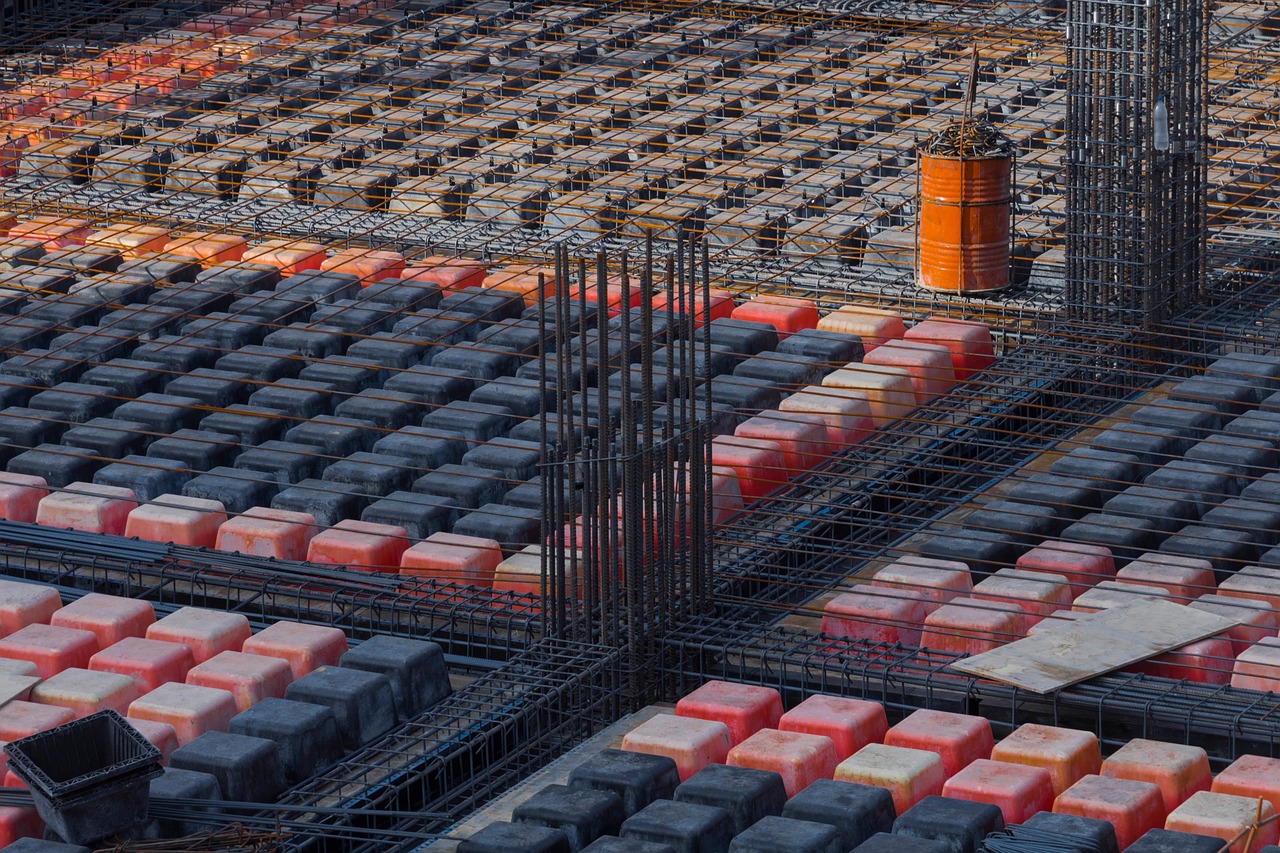
When planning an ADU (Accessory Dwelling Unit) foundation in our community, safety and compliance are paramount. The local regulations regarding ADU foundation planning can be complex, with various considerations that go beyond the typical construction project. Property owners often turn to experienced ADU foundation contractors and trusted ADU foundation builders to navigate these intricacies, ensuring both the safety of the structure and the protection of our community.
Local inspections play a critical role in ADU foundation planning. Our townfield notes clearly outline the requirements for structural integrity, safety, and compliance with zoning laws. It's essential to engage with professional experts who understand these regulations and can guide property owners through the process. Many successful ADU projects in our neighborhood have benefited from the expertise of local, reliable ADU foundation support services. These specialists are adept at handling the unique challenges that come with adding a secondary dwelling unit, from obtaining the necessary building permits to ensuring the final product meets community safety standards.
One key aspect is the choice of materials and construction techniques. Depending on project complexity and budget considerations, contractors may recommend different options. However, quality assurance and adherence to local building codes are non-negotiable. Many contractors in our market favor durable, budget-friendly materials that meet or exceed safety standards, ensuring the ADU foundation stands the test of time and local environmental conditions. By prioritizing these factors, we not only maintain the safety of our community but also contribute to the long-term value of our properties.
Revitalizing Urban Spaces: Building Sustainable ADUs in Downtown
Local Challenge
In the heart of Downtown, a vibrant but densely populated neighborhood, the community faced a growing need for affordable housing and additional living spaces. The area's historic character and limited land availability presented a unique challenge-how to accommodate the growing population without compromising the area's unique charm? The solution lay in achieving the potential of Accessory Dwelling Units (ADUs), but planning was crucial. The community needed a structured approach to ensure these new constructions were safe, compliant, and beneficial for both residents and businesses.
Local Solution
This guide aimed to educate and streamline the process for property owners and contractors. Key actions included:
- Workshops and Information Sessions: Organising regular meetings to educate homeowners and contractors about ADU regulations, construction best practices, and potential economic benefits.
- Simplified Permitting: Streamlining the permitting process for ADU construction, making it more accessible and reducing potential delays.
- Community Engagement: Encouraging open dialogue between residents, businesses, and officials to understand specific local needs and address concerns.
- Pilot Program: Launching a pilot program to construct ADUs, allowing for real-world testing of designs and identifying potential challenges early on.
Community Impact
The initiative resulted in significant positive outcomes for the area:
- Increased Housing Diversity: Over 50 new ADUs were constructed, offering a range of affordable housing options, including studio apartments and shared living spaces.
- The initiative became a model for sustainable urban development, attracting media attention and inspiring similar projects in surrounding areas.
Quick Reference
-
Engage with Local Authorities: Familiarize yourself with zoning regulations and building permits to ensure a smooth ADU (Accessory Dwelling Unit) construction process.
-
Build Community Relationships: Partner with local contractors and suppliers to support the community's growth and foster positive business connections.
-
Offer Incentives for Local Labor: Encourage the use of nearby resources by providing incentives for hiring locally based contractors and tradespeople.
-
Host Educational Workshops: Organize community events to teach homeowners about ADU benefits, design ideas, and the step-by-step process, fostering local knowledge.
-
Collaborate on Community Projects: Work with local organizations to enhance neighborhood infrastructure, ensuring your ADU additions align with community vision.
-
Promote Local Art and Design: Incorporate local artists and designers to create unique and appealing ADU spaces, supporting the community's creative sector.
-
Implement Sustainable Practices: Adopt eco-friendly building methods and materials, contributing to the community's environmental initiatives.
-
Provide Resources for Homeowners: Create an online guide or booklet with local experts' advice, helping residents navigate ADU planning and installation.
Local Business FAQ About How to Plan for an ADU Foundation: A Detailed Checklist
What is the best way to ensure my ADU project stays within budget?
A successful ADU (Accessory Dwelling Unit) project requires careful financial planning. Engage a reputable contractor who specializes in ADUs to provide transparent pricing. Prioritize a detailed, itemized budget that accounts for all aspects of construction, including labor, materials, permits, and unexpected costs. Regularly review and update your budget as the project progresses to ensure you stay on track. The community benefits of staying within budget include ensuring the project's sustainability and preserving the project's value.
How can I choose the right contractor for my ADU?
When selecting a contractor, prioritize experience and expertise in ADU construction. Check online reviews and ask for references from previous clients. Request detailed proposals from several contractors, comparing their experience, pricing, and recommended construction methods. Meet with potential contractors to discuss your vision and understand their approach. Choosing the right contractor ensures high-quality construction and reduces potential delays or cost overruns, benefiting both your property and the local community.
What local permits are necessary for an ADU foundation?
Before breaking ground, obtain the necessary permits from your local building department. Requirements vary by location, but essential permits typically include a building permit, a set-back permit, and a permit for electrical and plumbing work. Understand the specific codes and regulations applicable to your area. This process ensures compliance, avoids legal issues, and protects your investment, contributing positively to your community by maintaining safety and property values.
How long does the foundation phase typically take for an ADU?
The foundation phase is a critical yet time-consuming part of an ADU project. Most installations take one to two days, depending on the size and complexity of the foundation. This phase involves preparing the site, excavating, setting up forms, pouring concrete, and ensuring a solid, level foundation. Efficient planning and hiring a skilled team can expedite the process. Timely completion of the foundation phase is crucial for the overall project timeline, allowing for smoother construction and potential savings.
What are the environmental considerations for building an ADU foundation?
Sustainable construction practices are increasingly important for environmentally conscious communities. When planning an ADU foundation, consider local environmental regulations and incorporate eco-friendly solutions. This may include using recycled materials, implementing water conservation measures, and optimizing energy efficiency. These practices not only adhere to local regulations but also contribute to a greener, more sustainable community.
As we've explored the multifaceted world of ADU foundation planning, it's become clear that this process goes beyond just laying a structural base. By engaging the community, adhering to local regulations, and selecting the right contractors, we can create not just individual homes, but a thriving, interconnected community.
From sustainable design practices that reduce our environmental impact to collaborative planning that ensures everyone's voice is heard, ADU foundation projects have the potential to enrich our neighborhood in numerous ways. Local permits and inspections ensure safety and compliance, while understanding zoning laws empowers us to make informed decisions about property rights.
Investing in ADUs means building community wealth, fostering multi-family housing, and promoting innovation in construction materials. By working together, we can create a stronger, more resilient community where everyone has access to quality, affordable housing. Let's embrace the benefits of ADU foundation planning and watch our neighborhood flourish.
In our community, Accessory Dwelling Units (ADUs) offer a solution to housing demands, promoting density and sustainability. Planning an ADU foundation requires understanding local zoning, building regulations, and obtaining necessary permits. Engaging with experienced local contractors ensures compliance, saves time, and provides expert advice tailored to our region's unique landscape. The choice of foundation materials, guided by local regulations and budget, impacts cost and longevity. By navigating these steps and involving the right professionals, property owners can successfully contribute to a thriving, diverse neighborhood.