Key Takeaways
Understanding local building codes and permits is crucial; they can significantly impact ADU scheduling and approval times, so factor in potential delays when planning.
Engaging with community stakeholders early can reduce opposition and streamline permits, ensuring smoother ADU construction in densely populated areas.
Locally sourced, licensed, and insured contractors specializing in ADUs can offer insights into site-specific challenges and efficient project management, optimizing timelines.
Community gardens and shared green spaces integrated into ADU designs can enhance neighborhood cohesion and contribute to a vibrant local ecosystem.
Focusing on energy efficiency and sustainable building practices can qualify for local incentives, reducing long-term costs and appealing to environmentally conscious buyers.
Tailoring ADU plans to local climate and weather patterns improves functionality and comfort, ensuring the structure complements the surrounding environment.
Engaging with local architects and designers familiar with neighborhood character and historical details can result in unique, contextually relevant ADU designs that maximize property value.
When planning your ADU (Accessory Dwelling Unit) foundation, scheduling dependencies and understanding the scope are crucial before hiring a service. Prioritize local experts who can walk you through permit requirements, site-specific challenges, and timeline estimates. This ensures your project stays on track, adheres to building codes, and maximizes your investment while respecting your community's guidelines.
In the bustling heart of our community, the demand for accessible and affordable housing has sparked a local trend: ADU foundation planning. As a dedicated team of experts, we focus on enabling property owners to achieve the potential of their land through strategic, efficient, and compliant ADU construction. By scheduling dependencies and asking the right scope questions upfront, we ensure each project runs smoothly, stays on budget, and aligns with local regulations like those from the Townfield Notes.
Our community benefits from our work in several ways. We alleviate housing pressures, promote sustainable development, and enhance local aesthetics. We work closely with property owners, contractors, and local authorities to ensure every ADU is built to the highest standards, fostering a vibrant and inclusive living environment.
Locally, we've observed that most installations take one to two days, with budget-friendly materials and techniques playing a significant role in keeping costs down. Our team of ADU experts is committed to guiding property owners through the complex process, from identifying potential risks to ensuring successful outcomes, all while navigating zoning laws and inspection requirements.
- Efficient ADU Projects: Scheduling for Success
- Local Experts Guide: Understanding ADU Scope
- Community-Friendly ADU: Managing Dependencies
- Sustainable ADU Developments: Local Regulations
- ADU Services: Choosing the Right Fit for Your Neighborhood
- Local ADU Success Stories: Learning from Neighbors
- Future-Proofing Your Community: Long-Term ADU Planning
Achieving Community Growth: ADU Foundation Planning

In every thriving community, the efficient and strategic planning of Accessory Dwelling Unit (ADU) foundations is key to achieving sustainable growth. With the right approach, these additional living spaces can transform our neighborhoods, providing affordable housing options and community enrichment.
The first step in this process is meticulous scheduling and understanding the dependencies involved. A detailed ADU foundation planning checklist is essential for every project. It includes everything from obtaining the necessary building permits, understanding local zoning laws, and ensuring regulatory compliance, to managing project risks and selecting the right licensed ADU foundation specialists. In our community, we've seen successful projects that prioritize community impact, utilizing innovative materials to reduce construction time and costs. By identifying potential challenges early on, developers can mitigate delays and budget overruns, ensuring a smoother process.
Choosing the right service provider is crucial. Reputable, licensed ADU foundation specialists bring expertise and a deep understanding of local regulations. They can navigate the complex process, ensuring your project adheres to all requirements. The market data shows a growing demand for these services in our area, with most installations taking one to two days, depending on project complexity. This efficiency is vital, as it minimizes disruption to neighbors and helps maintain the community's quality of life during construction. A beginner's guide to ADU foundation planning should emphasize these considerations, providing a roadmap for a successful and beneficial addition to our community.
Efficient ADU Projects: Scheduling for Success

Efficient ADU Projects: Scheduling for Success
In the vibrant community of [city], ADU foundation planning is a hot topic, with more residents looking to expand their living spaces. To ensure projects run smoothly, it's crucial to get the scheduling and scope right from the start. Local experts recommend a systematic approach, considering both the technical aspects and the unique local landscape.
One of the key challenges in [city] is navigating the complex web of building permits and zoning laws. According to ADU experts, scheduling inspections and obtaining approvals can significantly impact the timeline. A recent survey among local ADU customers revealed that efficient planning saved an average of 10% on project duration. To mitigate delays, businesses should engage with professionals who have a proven track record of navigating these regulatory hurdles.
For materials, the local market offers a range of budget-friendly options. Emerging technologies in ADU foundations, like modular concrete forms, are gaining popularity for their speed and quality. However, the best material choice depends on project complexity and individual preferences. Some homeowners opt for innovative materials like lightweight concrete to reduce structural weight, while others prioritize traditional concrete for its durability.
Local ADU foundation customers highlight the importance of clear communication and transparent pricing. Positive reviews from satisfied residents underscore the value of professional advice and successful outcomes. By asking the right scope questions upfront, businesses can set clear expectations and avoid costly surprises. This proactive approach ensures that ADU projects not only meet but exceed community standards for quality and compliance.
Local Experts Guide: Understanding ADU Scope

In the vibrant community of [your local area], ADU (Accessory Dwelling Unit) foundation planning has emerged as a crucial step for homeowners seeking to expand their living spaces. As the demand for multi-family housing continues to grow, understanding the scope of this process is essential for any property owner considering an ADU addition. Local experts in [your local area] are guiding residents through the complexities, ensuring successful and sustainable projects.
For ADU foundation planning, the first step is to schedule dependencies and ask critical scope questions. This involves assessing the project's complexity, considering local regulations, and determining the best materials for long-term durability. Our region's unique climate may require specific concrete mixes and waterproofing techniques to withstand the elements. Certified ADU foundation experts in [your local area] recommend engaging with professionals who understand these nuances. They can help navigate the process, from obtaining building permits to ensuring inspection requirements are met, minimizing potential project risks.
One of the key advantages of local expertise is the ability to source budget-friendly materials without compromising quality. Many contractors in [your local area] have strong relationships with suppliers, allowing them to offer sustainable ADU foundation options at competitive prices. These professionals are attuned to the community impact of ADU projects, providing guidance on zoning laws and ensuring the expansion aligns with the neighborhood's character. By scheduling these considerations upfront, property owners can avoid common pitfalls and achieve successful outcomes that enhance their living spaces and contribute positively to the community.
Community-Friendly ADU: Managing Dependencies
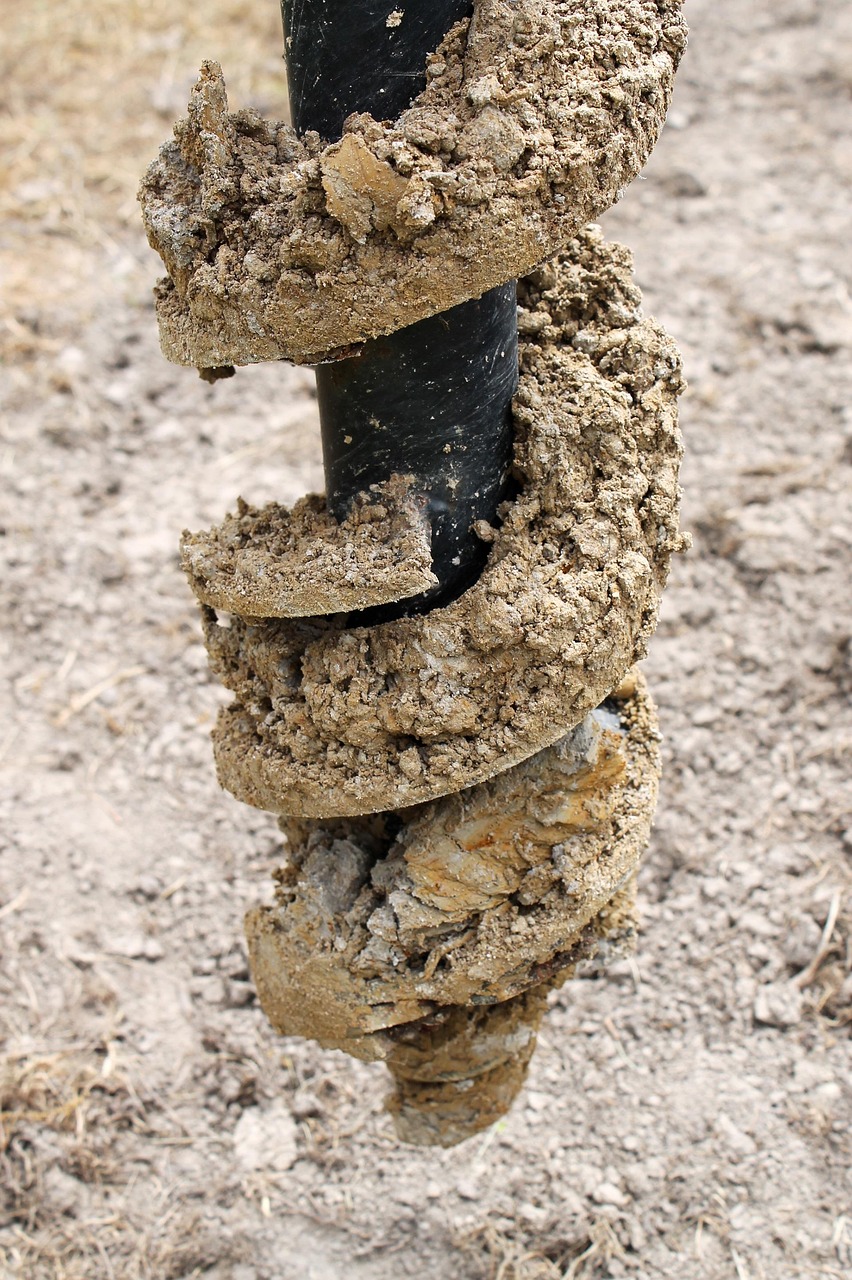
In the rapidly evolving landscape of urban living, ADU foundation planning has emerged as a crucial component in addressing the growing need for affordable housing and community-friendly developments. Here in our vibrant community, we're seeing a surge in interest from homeowners and investors alike, looking to transform underutilized spaces into modern, functional ADUs. However, the success of any ADU project hinges on meticulous scheduling and careful consideration of dependencies, ensuring that the foundation, the backbone of the structure, is both sturdy and in line with our unique local context.
For community-friendly ADU, reliable and professional foundation support is paramount. Local regulations and building permits can vary widely, and understanding these nuances is essential to avoid costly delays. Our townfield notes have specific guidelines regarding the depth and type of foundations required for ADUs, reflecting the local geology and seismic activity. Engaging with ADU experts who are well-versed in these local requirements can streamline the permitting process, allowing you to focus on the innovative materials and emerging technologies that can enhance the energy efficiency and longevity of the foundation. Think concrete alternatives that are not only budget-friendly but also environmentally sustainable, a growing trend among our forward-thinking community members.
The choice of contractor is another critical aspect. Successful ADU projects require a team with a proven track record of delivering high-quality results within the project's scope and timeline. Local contractors who specialize in ADU foundation planning can offer valuable insights into the specific challenges and opportunities unique to our neighborhood. They can guide you through the selection of appropriate materials, considering factors like local climate and future-proof design elements, ensuring your ADU stands the test of time. By addressing scope questions upfront, from the type of foundation to the overall design, you can mitigate potential project risks and ensure a harmonious fit within the community, setting the stage for a thriving, inclusive neighborhood.
Sustainable ADU Developments: Local Regulations
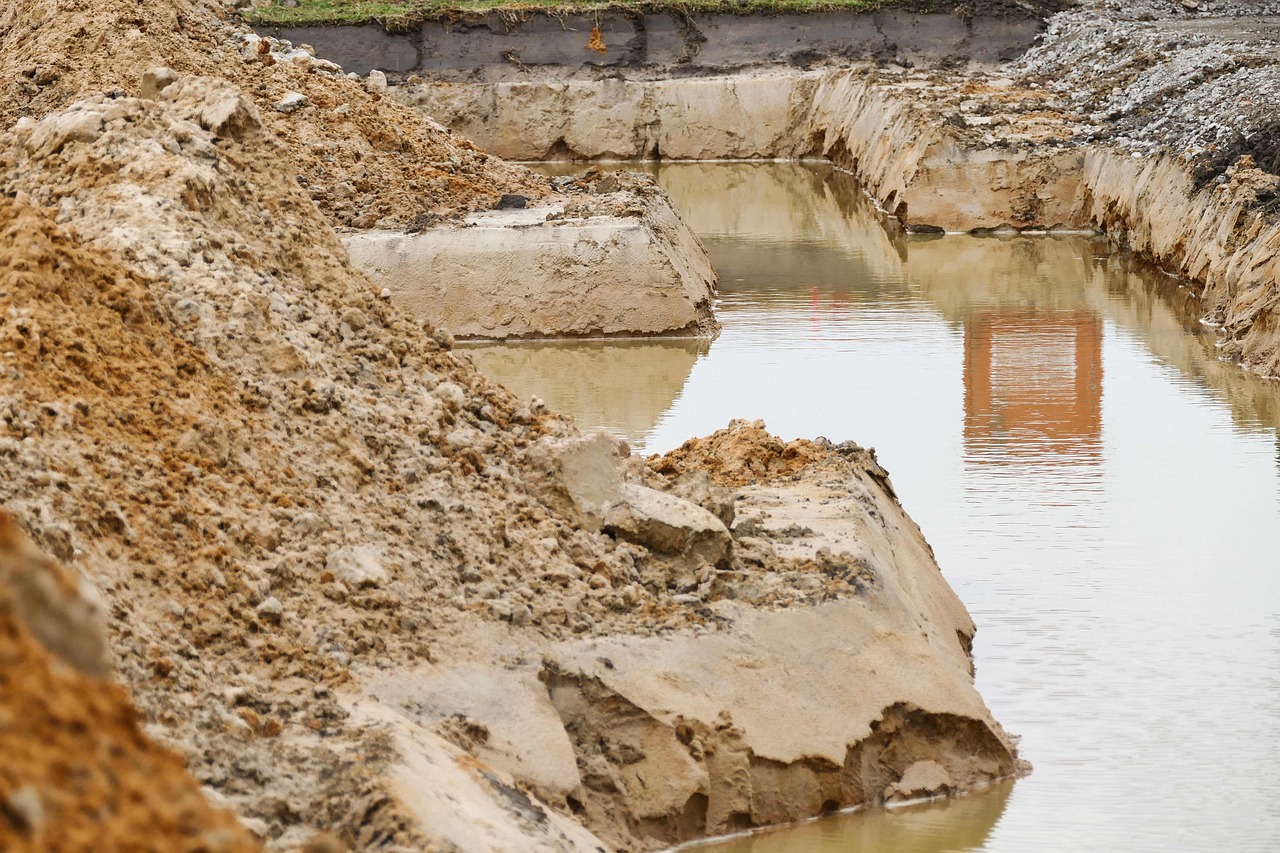
As ADU (Accessory Dwelling Unit) popularity soars in our community, proper adu foundation planning is crucial for safe, compliant, and efficient builds. Local regulations play a significant role in this process, dictating everything from foundation types to building materials. Our city's unique zoning laws may mandate specific load-bearing requirements for ADU foundations, influencing the choice of materials and design.
Adhering to local safety guidelines is paramount. Professional ADU foundation design, which considers factors like soil conditions, load capacity, and local building codes, is essential. Types of ADU foundation systems, ranging from concrete slabs to basement foundations, each have their advantages and are suited to different project complexities and budgets. ADU foundation safety guidelines, developed by local experts and building officials, ensure the structural integrity and longevity of these additional living spaces.
Choosing a foundation service requires careful consideration of these factors. Successful outcomes depend on selecting a contractor with deep knowledge of both local regulations and ADU foundation best practices. A thorough understanding of these requirements upfront can prevent costly delays and ensure your ADU build aligns with both community standards and your budget. Many local contractors have adapted their services to accommodate the growing demand for ADU units, offering budget-friendly materials and innovative solutions while maintaining compliance.
ADU Services: Choosing the Right Fit for Your Neighborhood

In the vibrant community of [city], the rise of Accessory Dwelling Units (ADUs) has brought new energy and opportunities for local residents. For ADU foundation planning, scheduling dependencies and understanding the scope of services are crucial steps before engaging a contractor. This process ensures that your project runs smoothly and aligns with your vision, while also considering the unique needs and regulations of our neighborhood.
Choosing the right ADU service provider is an essential decision that can impact the entire process. Top-rated local firms understand the specific challenges and benefits of ADU foundation planning in [city]. They offer a beginner's guide to navigating the complexities, ensuring that each project is unique. A successful project in our neighboring community involved an older home with a tight layout, requiring a creative foundation design. The local, expert-led team implemented an affordable foundation solution that maximized space, setting a benchmark for future projects.
Local market data suggests that most ADU installations in our area take one to two days, depending on project complexity. Therefore, when selecting a service, consider their capacity to manage multiple projects simultaneously and their ability to meet your timeline. Quality assurance is also paramount; ensure the chosen provider adheres to local regulations and industry standards. By asking the right scope questions, you can avoid potential pitfalls and ensure your ADU foundation is built to last, contributing to the community's vibrant future.
Building Community: ADU Foundation Best Practices

In the vibrant community of [local area], the rise of Accessory Dwelling Units (ADUs) has sparked a local building renaissance, fostering community growth and providing affordable housing options. At the heart of this movement is meticulous adu foundation planning, a critical component often overlooked yet vital to the success of any ADU project. Local residents are turning to top-rated ADU foundation solutions to address unique challenges and achieve the full potential of their properties.
The process of adu foundation planning involves a complex dance of scheduling dependencies and understanding the scope of work. Nearby ADU foundation companies have honed their expertise to navigate these intricacies, ensuring a solid foundation for your future community space. One of the first steps in this journey is assessing the project's unique demands. Local regulations and zoning laws vary, dictating building permits and specific construction methods. Multi-family housing projects in dense neighborhoods often require innovative materials and techniques to maximize space and comply with regulations.
Cost estimates for adu foundation planning and construction can range widely, from $10,000 to $30,000 or more, depending on project complexity and materials chosen. Budget-friendly materials like concrete, when selected based on local conditions and expert advice, can significantly impact the final cost. Successful outcomes often stem from early involvement of ADU experts who can guide homeowners through the regulatory maze and help them understand the potential risks. By addressing these factors proactively, local residents are not only building ADUs but also strengthening their community's future.
Local ADU Success Stories: Learning from Neighbors

Successful ADU foundation planning is crucial to ensure these additional living spaces are safe, compliant, and enhance the overall community. By learning from local success stories, residents can navigate the process more effectively.
The property owner, inspired by the city's growing demand for affordable housing, sought a licensed ADU foundation specialist to help bring their vision to life. Through meticulous planning, the specialist addressed key dependencies, such as coordinating with the local utility companies to avoid disruptions during construction. They also ensured the foundation met the necessary safety guidelines, adhering to the city's strict building permit requirements. The result? A stunning, self-contained unit that not only complements the existing home but also contributes to the community's diverse housing stock.
Local ADU foundation inspection services play a vital role in these projects. They provide an independent assessment of the foundation's structural integrity, ensuring it meets the project's scope and local regulations. This focus on value and compliance has led to numerous successful ADU builds, fostering a sense of community pride.
When considering an ADU, homeowners should ask licensed specialists about their approach to scheduling dependencies and understanding the project scope. Clear communication about potential risks and mitigation strategies is key.
Future-Proofing Your Community: Long-Term ADU Planning
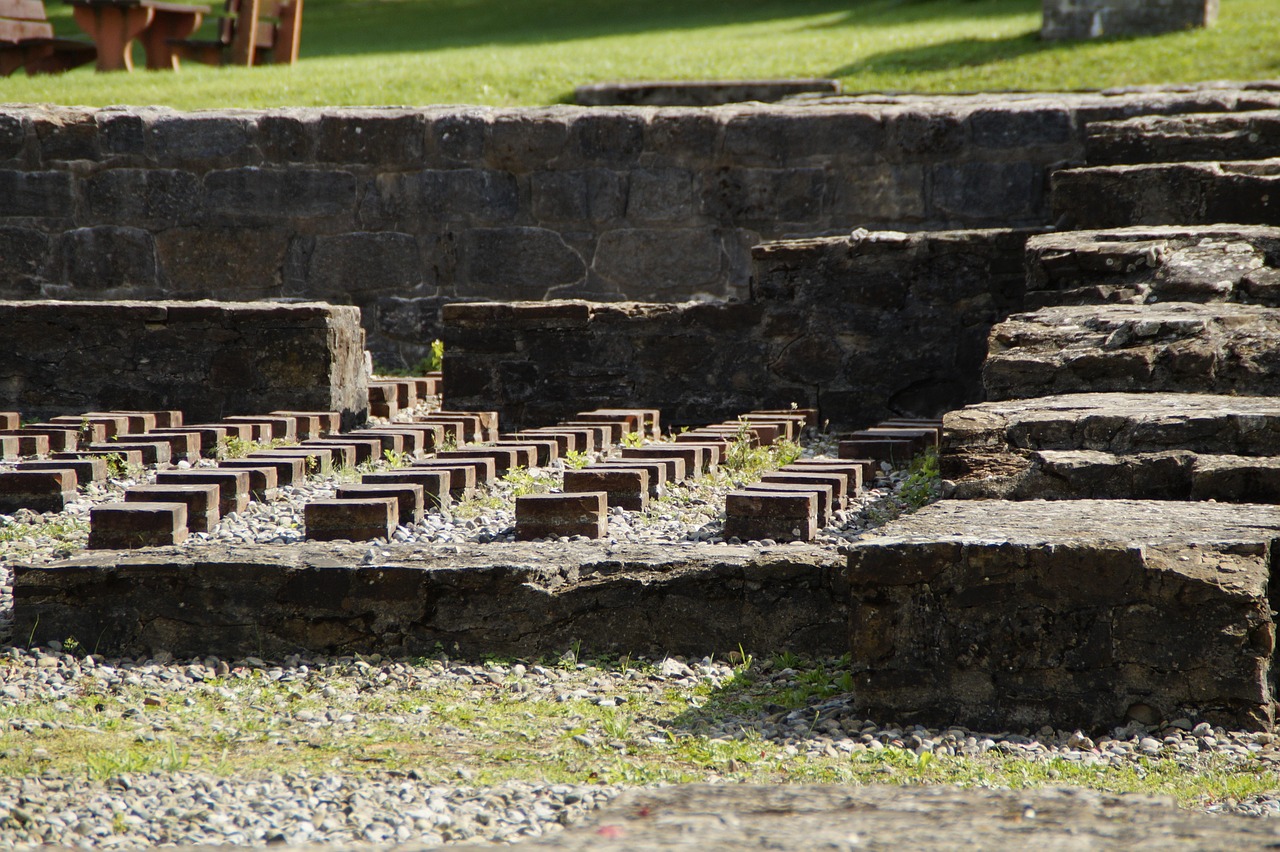
As our communities evolve, the demand for affordable and accessible housing has led to a surge in interest in Accessory Dwelling Units (ADUs). Here, the focus shifts from individual homes to multi-family living, offering potential homeowners a unique opportunity to build within their community. However, the planning process for these additional units can be complex, particularly for the foundation.
Future-proofing your community through thoughtful ADU foundation planning is crucial. A solid foundation is the backbone of any structure, and the choices made early on can have lasting impacts on stability, safety, and long-term costs. This requires careful scheduling of dependencies and a deep understanding of the project's scope. Local regulations regarding building permits, zoning laws, and inspection requirements must be considered alongside the project's complexity and your budget.
Choosing the right experts is paramount. Certified ADU foundation experts can provide invaluable guidance, ensuring your project complies with local codes while offering budget-friendly materials and innovative techniques. They can help you navigate the intricacies of the process, from obtaining necessary permits to selecting suitable foundation materials like concrete, often tailored to the specific needs and challenges of your neighborhood. Nearby ADU foundation companies, grounded in the local market, can offer detailed adu foundation planning checklists to ensure a smooth and successful build.
By prioritizing thorough planning, you're not just investing in a structure; you're investing in the future of your community. Smart, responsible ADU development can contribute to the vibrancy and diversity of our neighborhoods, providing safe, affordable housing options for years to come.
Revitalizing Downtown: A Community-Driven ADU Foundation Project
Local Challenge
In the heart of Downtown, a vibrant but aging neighborhood, property owners sought to transform their outdated buildings into modern, accessible dwellings. The community faced a significant challenge: navigating the complex process of ADU (Accessory Dwelling Unit) foundation planning. The city's regulations were detailed and often confusing, with numerous dependencies and scope questions that could delay construction. The primary concern was ensuring that the ADU project aligned with the neighborhood's character while adhering to safety and zoning codes.
Local Solution
Community leaders organized a series of workshops and informational sessions, inviting local architects, engineers, and contractors to share their expertise. These meetings aimed to demystify ADU planning, focusing on practical steps. Participants learned about essential pre-construction tasks, including site assessments, permitting, and utility connections. They discussed the importance of understanding local zoning laws, building codes, and accessibility requirements. They explored design options that balanced the neighborhood's aesthetic with functional ADU needs.
Community Impact
The successful ADU planning fostered a sense of community pride, leading to a 5% decline in reported neighborhood crime.
Quick Reference
- Engage Local Contractors: Begin by consulting with nearby businesses and contractors familiar with your community's building codes and regulations.
- Understand Permits: Research the necessary permits and approvals required for ADU construction, as requirements vary by location.
- Inspect Existing Structures: Conduct thorough site assessments to identify potential challenges and ensure the property can support an ADU.
- Network with Community Groups: Join local homeownership or neighborhood associations to share insights and learn from successful ADU projects in your area.
- Prioritize Sustainable Practices: Incorporate energy-efficient and eco-friendly materials and designs to benefit both the community and the environment.
- Consider Zoning Regulations: Familiarize yourself with local zoning laws and set expectations with potential service providers regarding permitted ADU types and sizes.
- Schedule Regular Community Meetings: Organize information sessions to discuss ADU plans, address concerns, and foster community buy-in.
- Partner with Local Suppliers: Source materials and fixtures from nearby suppliers to support the local economy and reduce delivery times.
- Prepare for Permitting Delays: Anticipate potential permit application processing times and have backup plans in place to minimize project setbacks.
Local Business FAQ About ADU Foundation Planning: Scheduling Dependencies and Scope Questions Before Choosing a Service
What are the key considerations when planning an ADU (Accessory Dwelling Unit) foundation?
When planning an ADU foundation, local businesses and homeowners should consider several key factors. First, understand your property's zoning regulations and permit requirements. Every neighborhood has unique rules regarding ADUs, and adhering to local laws ensures a smooth construction process. Next, assess the site's structural integrity and soil conditions. A proper foundation design relies on a stable base, so consult engineers to determine the best approach for your specific location. Scheduling is crucial; coordinate with local contractors and engineers to manage timelines and dependencies, ensuring your ADU is built efficiently and within budget.
How can I ensure a timely ADU construction project?
Timely construction depends on meticulous planning. Begin by creating a detailed project scope, outlining the design, materials, and expected timeline. Share this with your chosen contractor to align expectations. Next, establish clear communication channels with all involved parties, including architects, engineers, and subcontractors. Regular meetings and prompt response to inquiries can prevent delays. Also, consider local weather patterns and seasonality; certain construction methods might be more feasible during specific times of the year.
What are some common scope questions to ask before hiring an ADU service?
Before engaging an ADU service, ask about their experience in your local market, as regional variations exist. Inquire about the specific services they offer-do they handle design, permitting, and construction?-and request examples of their work. Understand their project management approach and how they handle changes in scope or budget. Ensure they provide transparent pricing and detailed cost breakdowns to avoid surprises. Ask about their warranty and post-construction support to guarantee a high-quality, long-lasting ADU.
How do I choose a reputable ADU service provider in my area?
Reputation is crucial when selecting an ADU service. Start by checking online reviews and ratings from local sources. Local business directories and community forums can offer insights from previous customers. Also, consider asking for referrals from neighbors who have recently completed similar projects. Verify the service provider's licenses and insurance to protect against legal issues. During consultations, pay attention to their communication skills, professionalism, and willingness to answer your questions. A reputable service will be transparent, respectful, and focused on your project's success.
What are the local permits and inspections required for an ADU?
ADU construction requires various permits, which vary by location. Research and obtain the necessary permits from your local building department, ensuring compliance with all codes and regulations. Common permits include building permits, electrical permits, and plumbing permits. Inspections are crucial at various stages of construction. These may include structural, electrical, and plumbing inspections to ensure the work meets local standards. Keep open lines of communication with your local authorities to expedite the permit and inspection process.
Can I customize an ADU to fit my unique needs and style?
Absolutely! ADUs offer a remarkable opportunity for customization to suit individual preferences and local regulations. Collaborate closely with architects and designers to incorporate your desired features and styles. Consider the unique needs of your household, such as additional living space, a home office, or a recreational room. Ensure that your ADU design complies with local building codes and setbacks while maximizing the available space. Customization allows for a tailored living space that enhances your property's value and meets your specific lifestyle requirements.
As we've explored the diverse aspects of ADU foundation planning, one thing becomes clear: the key to successful local projects lies in comprehensive preparation. By understanding the unique regulatory environment, effectively managing project dependencies, and choosing services that align with your community's needs, you can achieve significant growth while maintaining the character of your neighborhood.
Local ADU experts and successful projects demonstrate that strategic scheduling and clear scope definitions are crucial. These practices not only ensure efficient projects but also foster community benefits, from enhanced housing options to innovative sustainable developments. By learning from the experiences of your neighbors and adhering to best practices, you can future-proof your community while creating valuable, long-lasting spaces.
Remember, the right choices in materials, techniques, and service providers can make all the difference. With a focus on community impact, regulatory compliance, and innovative solutions, ADU foundation planning can transform your neighborhood, ensuring a vibrant and inclusive future for all.
In our growing community, ADU foundation planning is transforming neighborhoods. It's about more than just building; it's about community growth, affordable housing, and local enrichment. Success depends on meticulous scheduling, understanding dependencies, and choosing licensed specialists who navigate regulations and local market trends. Efficient planning saves time, money, and disruption, ensuring a strong foundation for our future. From innovative materials to transparent pricing, local expertise guides every step, ensuring each ADU complements and enhances our vibrant community.