
When comparing ADU foundation types, consider local conditions and preferences. Concrete foundations are robust and durable, ideal for stable, long-term installations. Steel frames offer quick, cost-effective construction, appealing for quicker projects. Newer options like modular or prefab foundations streamline permits and construction, benefiting from off-site manufacturing and local assembly. Choose based on budget, timeline, and the specific needs of your property.
Key Takeaways
Local building codes heavily influence which ADU foundation types are feasible, so ensure your chosen method complies with regulations to avoid costly delays.
Concrete foundations are popular in areas with favorable climates and soil conditions, offering durability and a solid base for expansion.
Steel framing, a lightweight and cost-effective option, is gaining traction in urban areas where space is limited and modular construction is advantageous.
Consider local market demands and competition when selecting a foundation type: concrete may be preferred for luxury ADUs, while steel could be more appealing for affordable, quick-turnaround units.
Engaging with local contractors experienced in specific foundation types can lead to more efficient installations and potential cost savings.
The local availability and cost of materials can significantly impact the overall price of ADU construction, influencing your selection of foundation material.
Think beyond the initial construction: consider the long-term maintenance and repair needs of each foundation type in your area's unique environmental conditions.
In our bustling community, the demand for affordable and functional living spaces has sparked a surge in interest for ADU foundation planning. As a local expert in the field, we've witnessed the transformative power of Accessory Dwelling Units (ADUs) in enhancing our neighborhood's quality of life. From providing additional income opportunities for homeowners to contributing to a more sustainable and inclusive urban environment, ADUs offer a range of benefits tailored to our diverse community.
For laying a solid foundation for these innovative structures, we explore the best options available. Whether it's the durability of concrete, the versatility of steel, or the eco-friendly appeal of alternative materials, each choice impacts both the project's longevity and its local impact. Let's examine the various adu foundation types, keeping in mind the unique needs and regulations of our vibrant city.
- Sustainable ADU Foundations: Concrete Solutions
- Cost-Effective ADU Planning: Steel Foundations
- Longevity in Construction: Concrete vs Steel ADU Bases
Strengthening Your Community: ADU Foundation Options
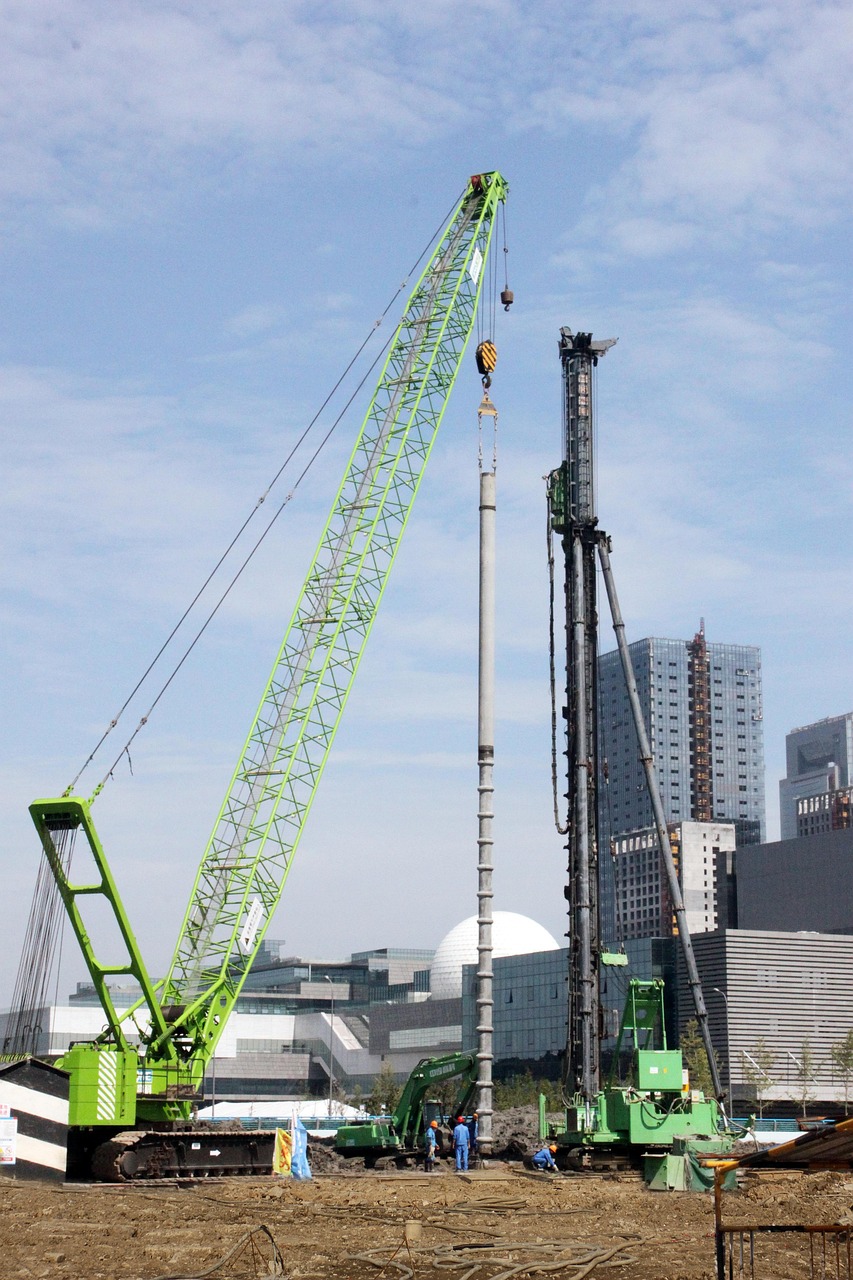
When considering an ADU (Accessory Dwelling Unit) foundation, strengthening your community's infrastructure and longevity is paramount. Each foundation type-from concrete to steel-offers unique advantages and considerations that can significantly impact your project's success and the surrounding neighborhood. Understanding local ADU foundation planning is key to ensuring safety, compliance, and long-term maintenance, ultimately contributing to the vibrancy of your community.
Concrete foundations, a common choice due to their durability and cost-effectiveness, are a staple in many local ADU projects. Experts in our area, like Townfield Notes, advocate for concrete due to its ability to withstand local environmental conditions. However, complex projects may require specialized techniques and budget considerations. Concrete requires careful planning and skilled labor, but its longevity-often 50 years or more-makes it a solid investment. Local regulations play a crucial role, with building permits and inspection requirements ensuring safety and compliance, crucial elements in gaining community support for your project.
Alternative materials like steel offer a lighter, more affordable option, especially for smaller ADUs. Local contractors often cite steel's ease of installation and resistance to local seismic activity as significant advantages. However, steel foundations require meticulous design and adherence to safety guidelines, particularly in wind-prone areas. Long-term maintenance for steel structures may involve more frequent checks for rust and corrosion, a key consideration when comparing costs over time. Customer reviews for local steel foundation services highlight the appeal of faster installation and reduced labor costs, making it an attractive choice for cost-conscious homeowners.
Beyond the initial construction, ADU foundation safety guidelines and long-term maintenance are essential for community well-being. Local zoning laws and building codes must be strictly followed to ensure the safety and stability of ADUs, protecting both the property and the broader neighborhood. By selecting a foundation type that aligns with local regulations and your project's needs, you contribute to a robust and integrated community. Innovative materials and techniques, when employed responsibly, can further enhance the local landscape, showcasing your commitment to both contemporary design and community resilience.
Sustainable ADU Foundations: Concrete Solutions
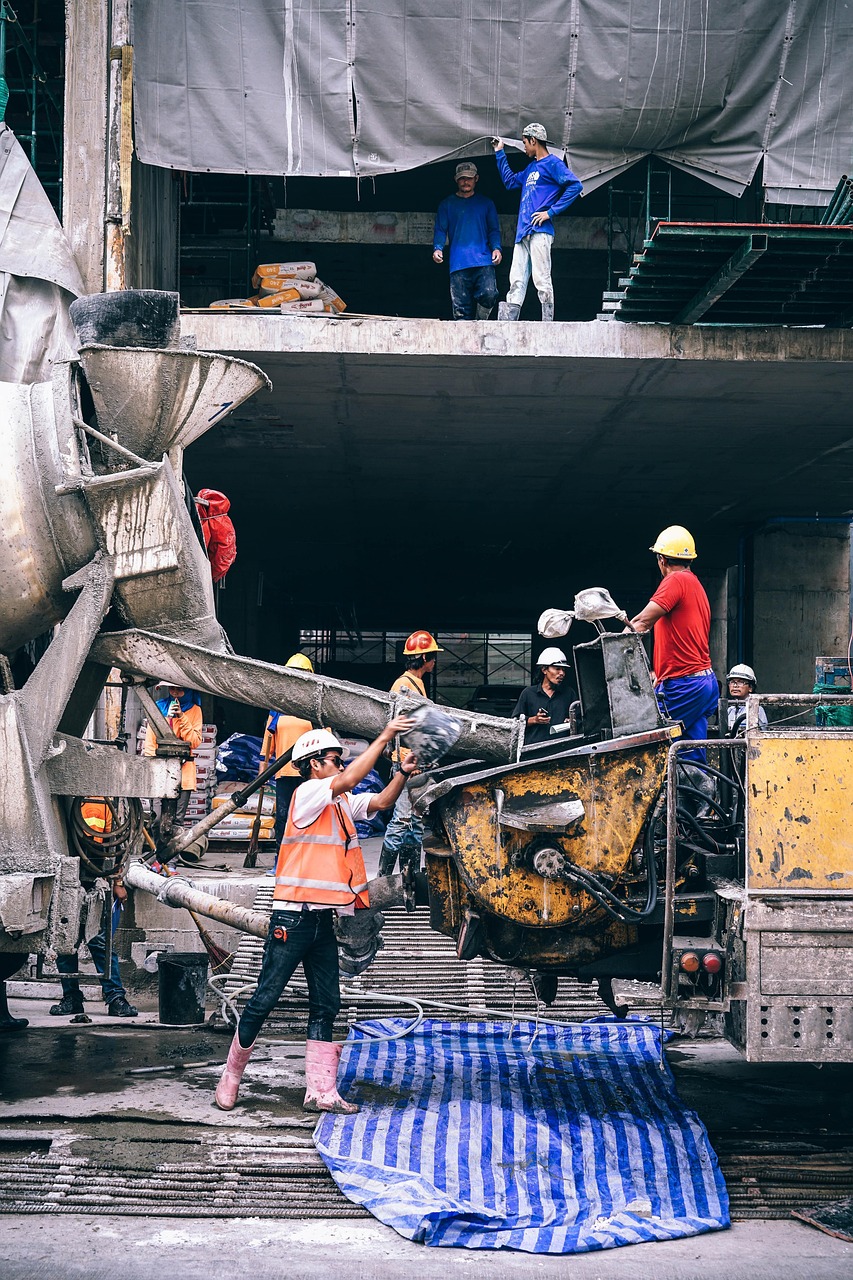
In the changing landscape of urban living, Accessory Dwelling Units (ADUs) have emerged as a sustainable solution for both homeowners seeking additional space and communities looking to accommodate growing populations. For the foundation of these secondary dwellings, local experts emphasize the importance of selecting the right material for both structural integrity and long-term environmental benefits. In our region, sustainable ADU foundations are a top-rated priority, with contractors turning to concrete solutions that combine strength and eco-friendliness.
When comparing ADU foundation types, concrete stands out for its durability and adaptability. Local regulations often align with this preference, as concrete structures are easier to integrate into existing infrastructure and can withstand the tests of time and weather. Top-rated ADU foundation solutions in our community are known for their versatility, allowing for custom designs that cater to both modern and traditional architectural styles. The use of concrete promotes local sustainability goals by reducing the carbon footprint of construction, as it is a locally sourced and recyclable material.
While steel and other emerging technologies in ADU foundations offer advantages in speed and cost-efficiency, concrete remains the preferred choice for many contractors and homeowners alike. According to local ADU experts, this preference is driven by the peace of mind that comes with a foundation that meets both safety guidelines and environmental standards. Many multi-family housing developments in our neighborhood have successfully implemented concrete ADU foundations, showcasing the material's ability to support complex structures while minimizing environmental impact. By prioritizing concrete solutions, local contractors contribute to the overall well-being of our community, ensuring that our urban spaces remain vibrant, safe, and sustainable for generations to come.
Cost-Effective ADU Planning: Steel Foundations

Unlike concrete, which can be heavy and expensive to install, steel offers a lightweight yet robust alternative.
The benefits extend beyond price. This speed translates to lower labor costs and faster project completion, allowing homeowners to enjoy their new ADU space sooner. Steel is highly durable and resistant to rot, making it an excellent choice for our region's varied climate. A detailed ADU foundation planning checklist should include considerations for local weather patterns and soil conditions, ensuring a sturdy structure that will last for years.
Community examples demonstrate the popularity of steel foundations. In recent projects, local ADU experts have successfully implemented steel foundations in various settings, from single-family homes to multi-family housing. This versatility makes steel a viable option for a wide range of property types and sizes. As we continue to grow as a community, sustainable ADU foundation options like steel play a crucial role in balancing development with environmental responsibility. By choosing steel, homeowners not only save money but also contribute to a greener future for our neighborhood.
Longevity in Construction: Concrete vs Steel ADU Bases
For building a sturdy and long-lasting Accessory Dwelling Unit (ADU), the foundation is the bedrock of your investment. In our community, where we prioritize both quality construction and sustainable practices, choosing the right foundation type is crucial. Let's examine the age-old debate between concrete and steel as ADU bases, exploring their advantages and long-term viability.
Concrete foundations have been a traditional choice for many local construction projects, and for good reason. They are renowned for their durability and strength, capable of withstanding the test of time and the elements. Local experts note that concrete is a versatile material, suitable for various ADU designs and budgets. With the right reinforcement, concrete can offer exceptional resistance to earthquakes and other natural forces, making it a popular choice among experienced ADU contractors near me who understand the region's specific needs. However, concrete's longevity does come at a cost, as it may require more maintenance over time compared to alternative materials.
On the other hand, steel foundations have gained popularity for their sleek, modern aesthetic and advanced structural capabilities. Steel is a lightweight yet incredibly strong material, making it an efficient choice for ADU projects. It's particularly well-suited for complex designs and offers excellent corrosion resistance, which is a significant advantage in our coastal community. Many local ADU experts appreciate steel's ability to be easily adapted to various design preferences and its relative cost-effectiveness. Yet, steel may not be as resilient as concrete in extreme weather conditions, and specialized contractors are often required to ensure proper installation.
When making your decision, consider the project's complexity, your budget, and the local climate. Experienced adu foundation contractors will tell you that a well-planned and executed concrete foundation can last for generations, while steel structures require careful maintenance to prevent long-term damage. Here in our community, where sustainability and resilience are top priorities, some contractors are even exploring innovative, eco-friendly foundation options, combining traditional methods with modern materials to create long-lasting and environmentally conscious ADUs.
In the end, whether you choose concrete or steel, selecting the right foundation contractor is key. Look for professionals who understand the local regulations and can provide expert advice tailored to your specific needs. By prioritizing longevity and sustainability, you'll ensure your ADU not only enhances your property's value but also contributes positively to our community's future.
Community-Approved ADU Designs: Local Foundation Guidance
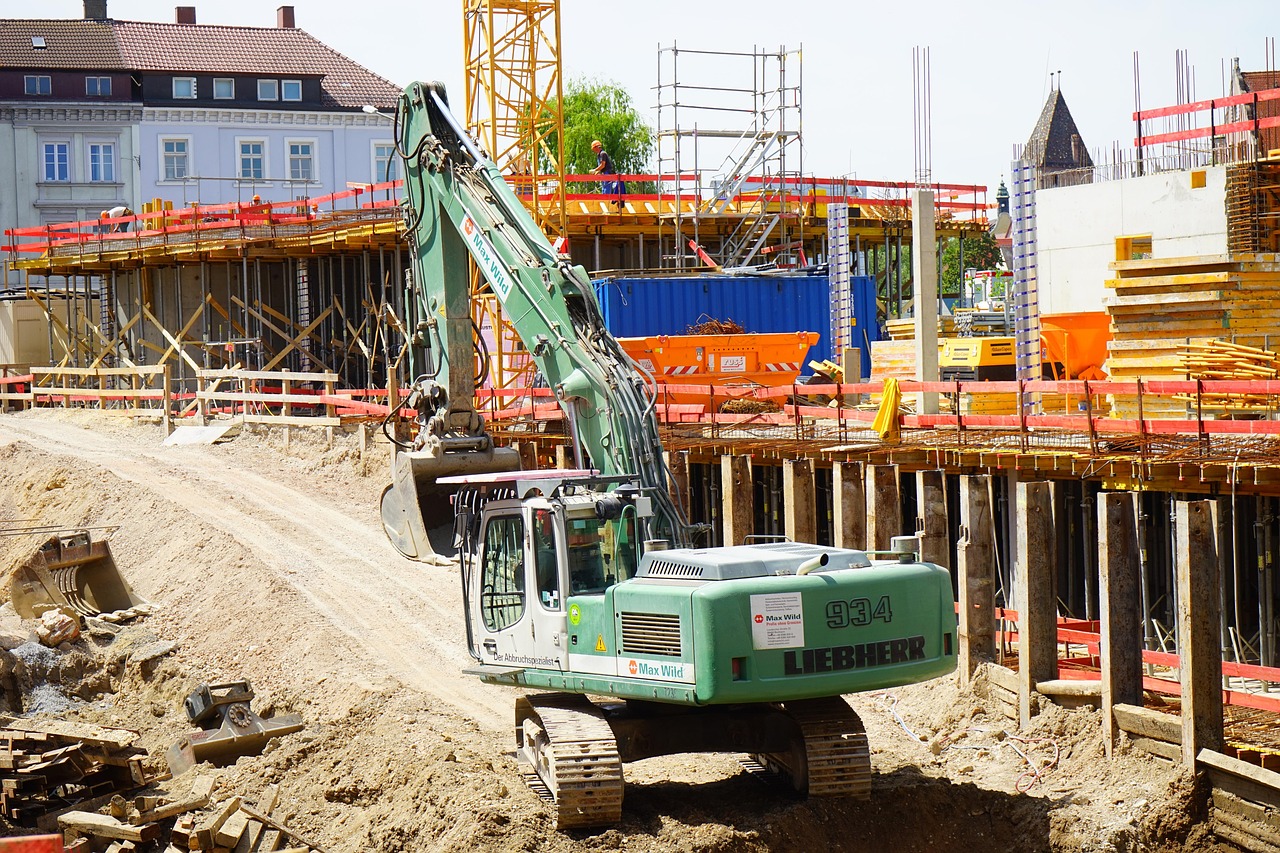
When planning an Accessory Dwelling Unit (ADU) in our community, the foundation is a critical component that impacts everything from cost and construction time to long-term durability and sustainability. Choosing the right foundation type requires careful consideration of your property's unique characteristics, local regulations, and budget. Let's explore the most popular ADU foundation options, keeping in mind the community-approved designs and expert insights that ensure a solid (and sustainable) start for your project.
In our region, experienced ADU foundation contractors have seen it all-from challenging site conditions to specific local building codes. Many older neighborhoods have strict zoning laws that dictate foundation design, while newer developments may encourage innovative, sustainable solutions. For foundations, concrete is a top choice for its strength and durability. Local experts recommend this option for most projects, especially when the site allows for a traditional poured concrete slab. However, for smaller, more budget-conscious projects, steel framing is gaining popularity. This lightweight alternative speeds up construction and is less expensive, making it an attractive choice for ADUs in suitable locations.
Sustainable ADU foundation options are also on the rise, thanks to environmentally conscious homeowners and local regulations promoting eco-friendly practices. Local contractors offer top-rated solutions like raised beds filled with lightweight, recycled materials or foundation systems designed to minimize site impact. These innovative methods not only reduce environmental footprints but can also lower heating and cooling costs in the long run. When selecting a contractor, consider those who specialize in these advanced techniques, ensuring your project not only meets community standards but also contributes positively to our shared living space.
Before making a decision, consult with several experienced ADU foundation contractors. Their insights into local market data, materials availability, and project risks are invaluable. Remember, the right foundation not only supports your ADU but also enhances the property's value and contributes to the overall character of our community. By choosing a foundation type that aligns with your project's needs and our region's unique characteristics, you'll be setting the stage for a successful and community-approved ADU.
Building Safe, Sturdy ADUs: Expert Foundation Advice

When planning an ADU (Accessory Dwelling Unit) in our community, one of the most crucial decisions is choosing the right foundation type. This choice directly impacts the safety, durability, and long-term value of your ADU. Let's explore the pros and cons of popular foundation options, drawing on the expertise of local ADU specialists and considering the unique considerations of our region.
Concrete foundations, long the gold standard for strength and durability, are a top choice for many ADU projects. They are robust and can withstand our area's varying weather conditions. However, concrete can be more expensive and, depending on the project complexity, may require more extensive excavation. For smaller, simpler ADU designs, concrete offers reliable support, but for larger or more intricate projects, alternative solutions might be more budget-friendly and efficient.
Steel foundations are gaining popularity for their lightweight yet sturdy structure. They are particularly advantageous for ADUs in areas prone to seismic activity, as steel's flexibility can help mitigate the effects of earthquakes. Steel installations are often faster and less labor-intensive than concrete, potentially saving time and money. However, steel requires more maintenance over time, and its appearance might not align with the aesthetic preferences of every homeowner.
Beyond traditional methods, innovative foundation technologies are emerging, offering new possibilities for ADU construction. Some contractors are using advanced polymeric underlayments, which provide a flexible and water-resistant barrier. These systems can be a great choice for areas with challenging soil conditions or for homeowners looking for a more sustainable solution.
Choosing the right foundation type requires careful consideration of project size, budget, local regulations, and personal preferences. Engaging with a reliable ADU contractor who specializes in foundation planning is crucial. They can guide you through the options, ensuring your ADU is built on a solid, safe foundation. Whether you're planning adu foundation repair or a new construction, reliable ADU foundation support is key to a successful and long-lasting project.
ADU Foundation Permitting: Streamlining Local Processes
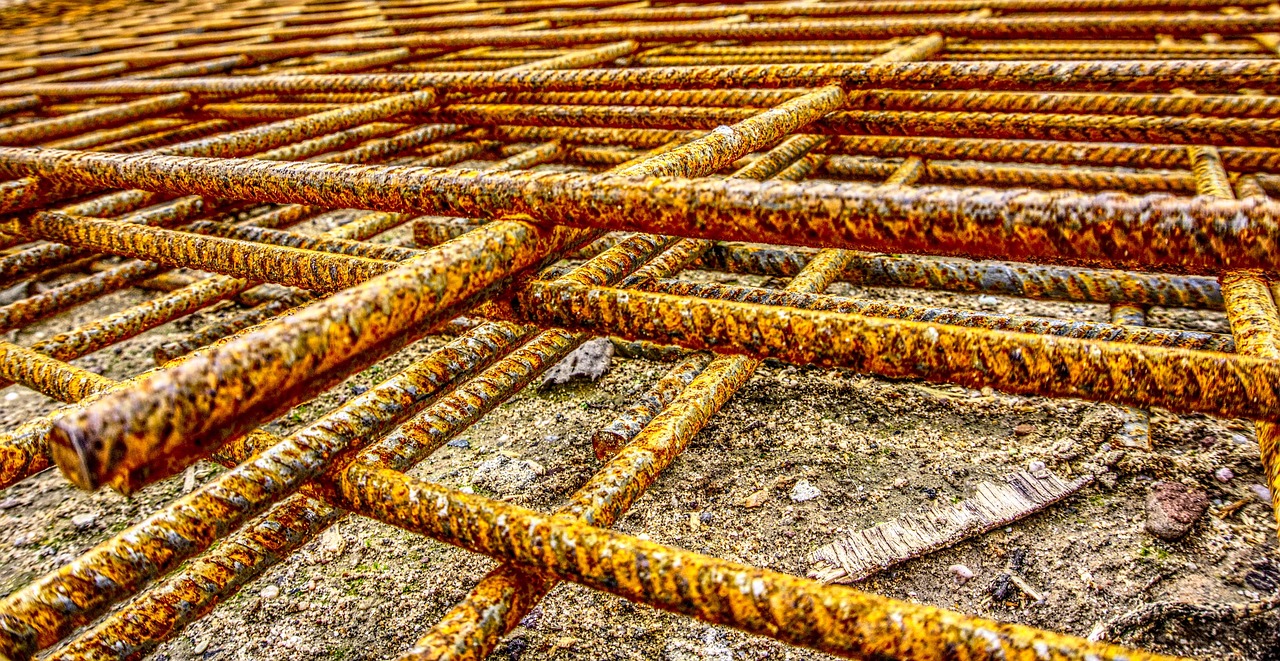
When planning an ADU (Accessory Dwelling Unit) installation in our community, choosing the right foundation is a crucial step. Local contractors often face the challenge of navigating diverse foundation types while adhering to our unique building codes and safety guidelines. Streamlining adu foundation planning is key to ensuring a successful project, minimizing delays, and staying within budget.
Among the most common foundation options, concrete stands out for its durability and cost-effectiveness. Many local experts recommend concrete for its strength and ability to withstand our region's climate variations. However, steel foundations are gaining popularity due to their lightweight design, which can reduce installation time and material costs. While steel offers advantages, concrete remains a go-to choice for its long-term stability and local availability of budget-friendly materials like Townfield Notes, a locally sourced, high-quality concrete option.
ADU foundation inspection services play a vital role in ensuring compliance with local regulations and safety standards. Our community places a strong emphasis on structural integrity and code adherence, making it essential for residents to engage reputable inspectors throughout the construction process. Planning adu installation services with a focus on foundation excellence can significantly impact the overall quality of the project. By understanding local permitting processes and choosing the right foundation material, contractors can efficiently navigate the regulatory landscape. Many local contractors have successfully streamlined projects by pre-applying for building permits, which can speed up the installation timeline.
When making a decision, consider the project's complexity, budget, and long-term sustainability. Engaging with ADU experts and local professionals can provide valuable insights into the best foundation approach for your specific needs. Remember, successful adu foundation planning involves a blend of expert knowledge, community engagement, and adherence to our region's unique requirements, ensuring your project not only meets but exceeds the standards we value in our community.
Eco-Friendly ADU Options: Green Foundation Choices
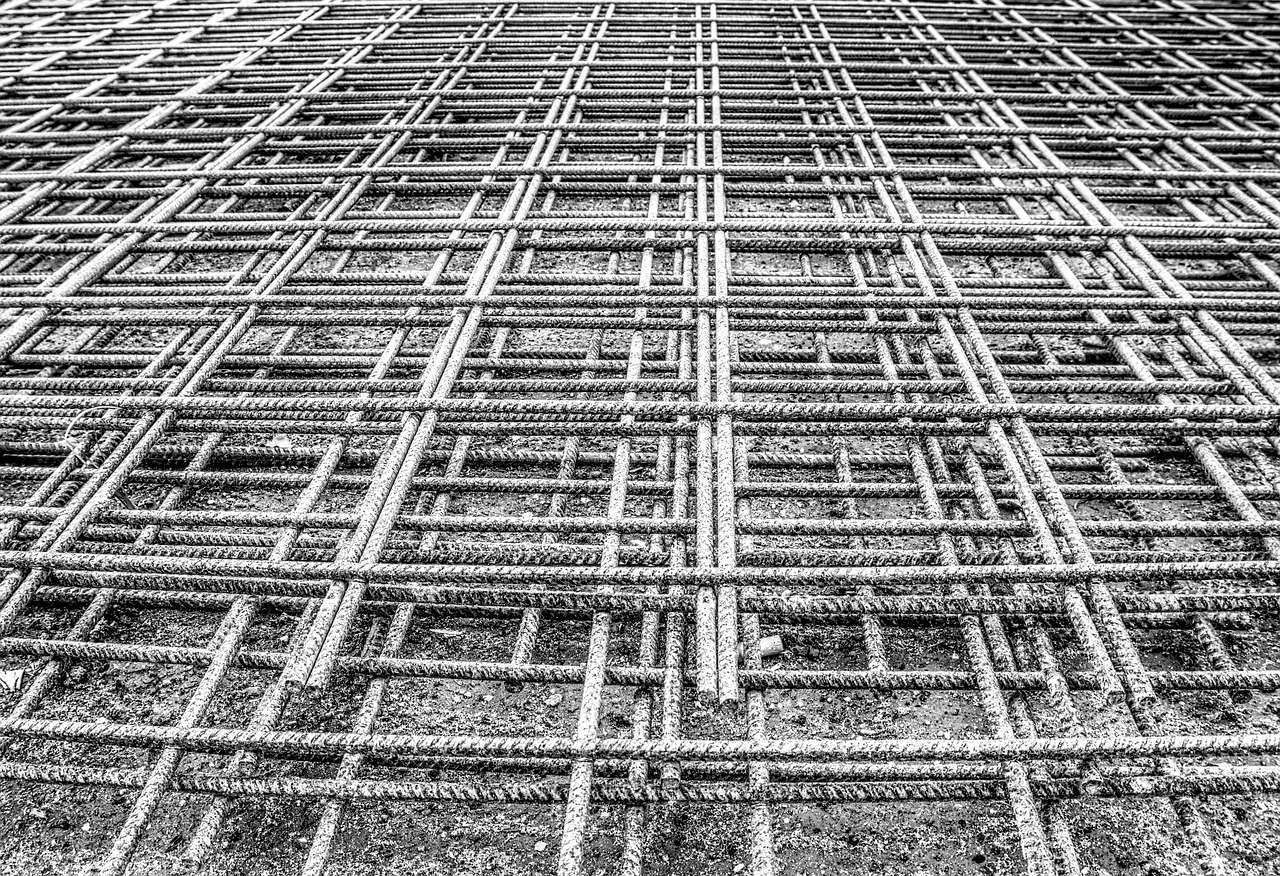
As local homeowners and investors explore the benefits of Accessory Dwelling Units (ADUs), the foundation is a critical component that can impact both the cost and timeline of construction. Fortunately, the market for eco-friendly and affordable ADU foundation planning in our area is thriving, offering a range of innovative options that cater to different project needs and budgets.
When considering ADU foundation types, concrete stands out as a popular and reliable choice. Local contractors often recommend concrete for its strength, durability, and resistance to pests and fire. This robust foundation type is ideal for duplexes and multi-family homes, where a solid base is essential for structural integrity. Modern concrete mixing techniques allow for more affordable options without compromising quality, making it an attractive budget-friendly solution for nearby adu foundation companies. Some local businesses have successfully implemented concrete foundations for ADUs in historic neighborhoods, showcasing the material's versatility in both new construction and renovation projects.
Beyond traditional concrete, steel framing is gaining traction as a sustainable and cost-effective alternative for ADU foundation planning. Local experts praise steel's lightweight yet strong structure, which reduces labor costs and minimizes the environmental impact of the project. This eco-friendly approach is especially suitable for smaller ADU units, providing a quick and efficient installation process. By embracing steel, nearby adu foundation companies can offer property owners a high-quality, long-lasting foundation while promoting green building practices in our community.
The local market is witnessing the emergence of innovative, eco-friendly materials for ADU foundations, such as recycled concrete and locally sourced aggregate. These materials not only reduce the carbon footprint of construction but also promote resource conservation. Local regulations and building permits often support these green initiatives, making it easier for contractors to adopt sustainable practices. Some city-led programs offer incentives for ADU projects that incorporate locally sourced and recycled materials, further encouraging the use of these environmentally conscious foundation options.
Community Investment: Smart ADU Foundation Strategies
For building an Accessory Dwelling Unit (ADU) in our community, the foundation is not just a literal base-it's a strategic investment in the future of our neighborhoods. As we explore the options for ADU foundation types, it's crucial to consider not just the structural integrity but also the community impact, especially when planning for duplexes or multi-family homes. Local experts note that the right foundation strategy can enhance property values, improve resilience, and foster sustainable growth.
Among the most popular choices, concrete foundations offer a robust and cost-effective solution for ADUs. Known for their durability, concrete foundations can bear heavy loads, making them ideal for multi-family structures. Local regulations, however, may dictate specific requirements for concrete mix and reinforcement, so engaging with nearby ADU foundation companies who understand these nuances is key. These companies can help navigate building permits and inspection requirements, ensuring a solid and compliant foundation. Innovative concrete mixes can be budget-friendly, making affordable ADU foundation planning a realistic goal for many property owners.
While concrete has its strengths, steel framing is another foundation type gaining traction in our community. Lightweight yet strong, steel allows for faster installation and often reduces overall project costs. It's particularly beneficial for duplexes, where space is at a premium. Local ADU experts have seen success with steel foundations in compact urban lots, where their flexibility and ease of construction have contributed to successful outcomes. However, steel requires specific detailing and connections, so selecting a contractor with experience in these techniques is essential to avoid common pitfalls.
When making a choice, consider the project's complexity, budget, and local conditions. In areas prone to seismic activity, a flexible foundation design might be preferable. The local market for ADU construction can influence costs, with some materials and techniques being more readily available and affordable than others. By weighing these factors and working with nearby ADU foundation companies, property owners can ensure their ADUs are not only structurally sound but also align with the community's investment in smart, sustainable growth.
Revolutionizing ADU Construction: A Concrete Example from Downtown
Local Challenge
In a bustling downtown area, the demand for affordable housing outpaced the available options. The city's unique urban landscape, with narrow lots and historic buildings, presented challenges for traditional ADU (Accessory Dwelling Unit) construction. Homeowners faced a dilemma: expand their properties to accommodate growing families or face the strain of an overcrowded market. The local community needed a solution that was both efficient and aesthetically pleasing, integrating seamlessly with the existing urban fabric.
Local Solution
A group of visionary local contractors and urban planners proposed an innovative approach by exploring alternative foundation types. They introduced the concept of using lightweight steel frames for ADU construction, a method that offered several advantages over traditional concrete foundations. This technique allowed for faster installation, reduced site disruption, and enabled the building of ADUs on challenging lots.
The team partnered with local suppliers and engineers to customize the steel frame designs for each property, ensuring structural integrity while adhering to the city's building codes. They also implemented a pilot program to educate homeowners on the benefits and process, fostering community engagement and buy-in.
Community Impact
The success of this initiative inspired similar projects, positioning the city as a leader in sustainable and innovative urban development.
Quick Reference
- Engage with local community groups to understand unique foundation needs and environmental considerations.
- Collaborate with neighboring businesses to share resources and expertise for efficient ADU construction.
- Offer personalized consultations to cater to diverse lot sizes and local building codes.
- Provide cost-effective solutions using sustainable materials, appealing to eco-conscious homeowners.
- Host workshops to educate residents on ADU benefits and the local permitting process.
- Establish partnerships with local suppliers for timely delivery of materials specific to ADU projects.
- Stay updated on city planning initiatives related to ADU development and incorporate these trends into your services.
- Implement efficient project management strategies to minimize construction disruptions in close-knit neighborhoods.
Local Business FAQ About Comparing ADU Foundation Types: Concrete, Steel, and More
What are the local building codes for ADU foundations?
Understanding local building codes is crucial for any ADU project. In our area, building departments typically require a solid foundation to support the additional structural load of an accessory dwelling unit. Concrete foundations, often poured in place, are commonly mandated for their strength and durability. Steel framing, while lightweight and fast to install, may require additional support and could be subject to specific requirements for wind load resistance in certain zones. Always consult with a local building inspector or experienced ADU contractor to ensure your chosen foundation meets all necessary codes.
How long does each foundation type typically take to install?
Installation timelines vary based on project size, complexity, and weather conditions. Concrete foundations, usually poured in place, often take 1-2 days for curing, followed by additional time for rebar placement and finishing. Steel framing, while quicker to erect, requires time for welding and connecting to the existing structure, generally taking 2-3 days total.
Which foundation type offers the best return on investment?
The ROI depends on various factors, including local market conditions, construction costs, and long-term maintenance considerations. Concrete foundations, while requiring more upfront investment, offer exceptional longevity and can increase property value significantly. Steel framing, more budget-friendly initially, might require more frequent repairs over time due to its sensitivity to water damage.
Are there any local incentives for using specific foundation types?
Some municipalities offer incentives or grants to encourage the adoption of energy-efficient or sustainable building practices. While concrete foundations themselves may not be directly eligible, choosing energy-efficient appliances and insulation in conjunction with a solid concrete foundation can contribute to overall sustainability goals and potentially achieve rebates or tax credits.
What are the maintenance requirements for each foundation type?
Concrete foundations require minimal maintenance, primarily involving occasional sealing to prevent water penetration. Steel framing, while durable, may need periodic inspections for rust or water damage, especially in areas prone to moisture. Regular inspection and maintenance are essential for both types to ensure longevity.
As we've explored the diverse world of ADU foundation types, it's clear that the choice goes beyond cost and aesthetics. Each option, from concrete to steel, offers unique benefits tailored to our local community's specific needs. By understanding the strengths of each material, we can strengthen our neighborhood's infrastructure, promote sustainable living, and ensure safe, compliant constructions.
Concrete foundations excel in long-term durability and eco-friendliness, aligning with our city's commitment to green initiatives. This robust choice encourages multi-family housing, fostering community growth and investment. Meanwhile, steel foundations provide an affordable, quick-install option, ideal for cost-conscious projects and expediting local development.
As we move forward with our adu foundation planning, let's embrace these versatile solutions, keeping in mind the local regulations and inspection requirements. By streamlining permitting processes and adhering to zoning laws, we can ensure that our ADUs enhance the community's overall well-being, from their sturdy construction to their impact on neighborhood values.
When building an ADU, choosing the right foundation is crucial. Local contractors recommend concrete for its strength, durability, and cost-effectiveness, meeting both safety and environmental standards. Steel foundations offer lightweight, efficient alternatives, but require meticulous design and adherence to local seismic guidelines. Innovative materials like recycled concrete promote sustainability, with local regulations often supporting green initiatives. Engaging with experienced ADU foundation companies ensures compliance, streamlines projects, and contributes to a resilient, vibrant community.