
Key Takeaways
Local permits and incentives: Understanding your community's regulations and taking advantage of any available tax breaks can significantly reduce the upfront costs of your ADU foundation project.
Native plant landscaping: Opting for native plants in your yard not only saves on water bills but also supports local ecosystems and can be a cost-effective way to enhance your property's curb appeal.
Solar panel installation: Investing in solar panels can generate long-term savings on energy costs and, in some areas, increase your property's value, offsetting the initial installation costs.
Community-based recycling programs: Partnering with local recycling initiatives can reduce construction waste and lower disposal fees, contributing to both cost savings and environmental sustainability.
Energy-efficient appliances: Choosing energy-efficient appliances for your ADU can lower utility costs and make your property more attractive to potential tenants or buyers in the future.
Local craftsmanship: Supporting local contractors and suppliers can result in better pricing and personalized service, fostering a strong sense of community and ensuring high-quality work.
Greywater recycling systems: Installing a greywater recycling system can dramatically reduce water consumption and associated costs, showcasing your commitment to sustainable living and potentially increasing your property's appeal.
By leveraging local, cost-effective materials and streamlining the building process, we keep your ADU (Accessory Dwelling Unit) foundation within budget. Our expertise ensures a solid, safe structure, enhancing your property's value while respecting local building codes and community standards.
In the vibrant community of our city, the demand for affordable housing solutions continues to grow, with Accessory Dwelling Units (ADUs) emerging as a popular choice. As local residents seek to maximize their living spaces, adu foundation planning plays a crucial role in bringing these projects to life while keeping costs under control. We specialize in helping our neighbors navigate the complexities of building their dream ADUs, ensuring compliance with local regulations and offering budget-friendly solutions.
Our expertise lies in identifying the best foundation techniques and materials for each project, from concrete choices to innovative, cost-effective methods. By leveraging our deep knowledge of local zoning laws and building permits, we guide clients through the entire process, avoiding common pitfalls and ensuring successful outcomes. Together, we can transform your property into a multi-family haven while adhering to community impact standards.
- Community Support: How Local Initiatives Can Fund Your Project
- Sustainable Practices: Green Building Tips for Eco-Conscious ADUs
- Homeowner Association (HOA) Guidelines: Understanding Community Rules
- Local Incentives: Tax Benefits and Rebates for Smart ADU Investments
- Neighborhood Engagement: Collaborating with Neighbors for Shared Spaces
Local Permits: Navigating Regulations for Your ADU Foundation

Navigating local regulations is a crucial step in the adu foundation planning process, and understanding the permit requirements for your Accessory Dwelling Unit (ADU) in our community can save you time and money. The city has specific guidelines and codes in place to ensure safe and compliant construction, and knowing these from the start can prevent costly delays.
In our area, adu foundation permits are typically issued by the local building department, which reviews plans and ensures they meet structural, safety, and zoning standards. The application process usually involves submitting detailed plans, including structural calculations and specifications for the foundation type. Since ADU installations can vary in complexity, it's essential to consult with local ADU experts who are familiar with the ins and outs of these regulations. They can guide you in selecting the right materials and techniques that align with your budget and project goals while adhering to local codes.
Many beginner's guides to adu foundation planning recommend concrete foundations due to their durability and strength. However, the local market data shows a growing trend towards more budget-friendly materials like concrete slabs or even precast panels for smaller projects. By choosing the right materials and working with contractors who specialize in ADU installations, you can significantly reduce costs while ensuring your project complies with local adu foundation permits. Always remember, professional advice and local expertise are invaluable assets in navigating the regulatory landscape of adu foundation planning.
Cost-Effective Materials: Choosing Budget-Friendly ADU Foundation Options
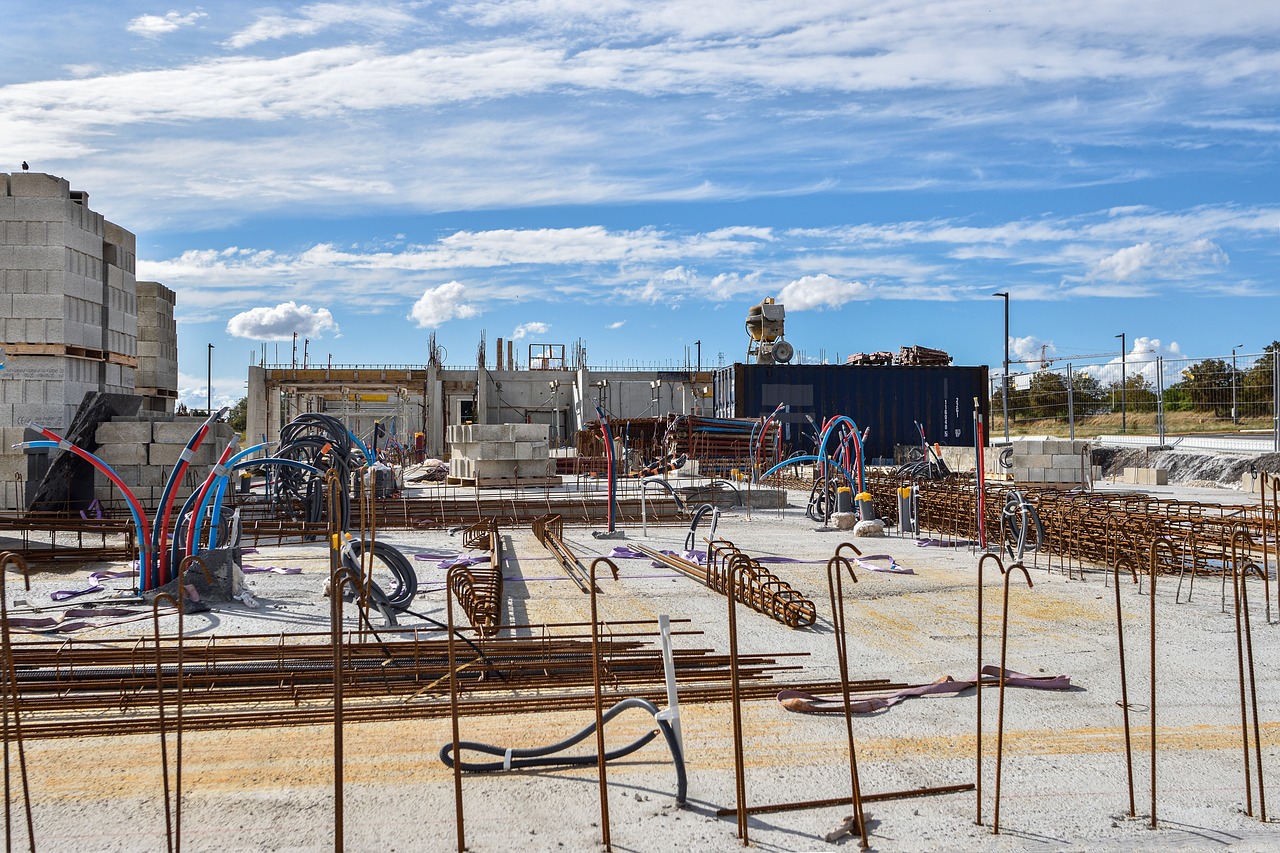
In the growing market of accessory dwelling units (ADUs) here, cost-effective foundation options are a key consideration for property owners looking to expand their living spaces. When planning an ADU, the foundation is a critical component, but it doesn't have to break the bank. Local experts recommend exploring budget-friendly materials and innovative techniques to save on your project without sacrificing quality or safety.
One of the top adu foundation planning choices for cost-conscious homeowners is concrete, a time-tested and versatile material. While concrete may seem like a premium option, local industry insights suggest that it often falls within the mid-range budget for ADU foundations. With the right mix of local, readily available materials, skilled labor, and efficient construction methods, concrete foundations can be both economical and durable. Many local contractors are leveraging emerging technologies, such as precast concrete panels and advanced mixing techniques, to streamline the construction process and reduce labor costs. These innovations not only make adu foundation solutions more accessible but also contribute to a more efficient local construction industry.
When selecting a foundation material, it's essential to consider the project's complexity, local regulations, and long-term sustainability. According to top-rated adu foundation solutions in our community, certified adu foundation experts can guide property owners in choosing the most suitable material for their needs. For multi-family housing projects, for example, concrete may be the preferred choice for its load-bearing capacity and ability to accommodate various design styles. On the other hand, innovative materials like lightweight concrete or even some recycled options are gaining traction for smaller, more simple ADU installations, helping to reduce project risks and regulatory hurdles. Local zoning laws and building permits may also influence the choice of materials, ensuring compliance with community standards while maintaining cost-effectiveness.
Community Support: How Local Initiatives Can Fund Your Project
For building an Accessory Dwelling Unit (ADU), the foundation is the bedrock of your project-and that's where local initiatives can truly make a difference. In our community, various programs and grants are designed to support residents in affordable ADU foundation planning, ensuring that everyone can benefit from the growing trend of multi-family housing.
Local governments and community organizations recognize the potential of ADUs to alleviate housing pressures and foster community connections. One of the most significant advantages for homeowners is the availability of licensed ADU foundation specialists who understand the unique requirements of these structures. These experts can guide you through the regulatory landscape, which includes building permits and compliance with zoning laws.
When considering the best materials for your ADU foundation, cost-effectiveness and durability should be top priorities. Concrete, a locally sourced and readily available material, offers both. Many local contractors specialize in efficient, high-quality concrete foundations, ensuring your project stays within budget. By choosing the right contractor, you can expect a well-built foundation that meets all inspection requirements. After all, a sturdy foundation is key to a successful ADU, ensuring your investment is protected for years to come. This focus on quality and compliance is reflected in our community's growing portfolio of ADUs, showcasing the best in innovative and sustainable design.
Efficient Construction: Streamlining ADU Foundation Building Processes

In the rapidly evolving landscape of urban living, efficient adu foundation building processes are transforming the way we think about space and community. Here in our bustling neighborhood, the demand for accessory dwelling units (ADUs) has been on the rise, driven by a diverse community seeking innovative housing solutions. Streamlining adu foundation planning is not just a trend, but a crucial step towards sustainable and affordable housing that fits our unique urban fabric.
Local experts and experienced adu foundation contractors emphasize the importance of understanding the specific types of adu foundation systems best suited for our region. From traditional concrete slabs to more innovative options like pier and beam or foundation jacks, each system has its advantages and is chosen based on project complexity, local regulations, and budget considerations. Many contractors have found that foundation jacks, which require less excavation and concrete, can be a cost-effective solution for smaller, simpler ADU projects. This method not only streamlines the construction process but also minimizes disruptions to neighboring properties, making it a win-win for both builders and residents.
The city's focus on regulatory compliance and safety standards matters in adu foundation planning. Building permits and zoning laws must be meticulously navigated to ensure that every ADU is not only legally constructed but also enhances our community's overall value. Many local ADU experts highlight the importance of planning for potential foundation repair, especially in our region where varying soil conditions can present unforeseen challenges. By incorporating quality assurance measures and regular inspections, contractors can mitigate risks and ensure the longevity of each ADU. A local ADU builder successfully navigated a complex foundation repair project in a neighboring property, avoiding potential delays and additional costs that could have impacted the overall project timeline.
Looking ahead, the community's embrace of multi-family housing and innovative materials further fuels the demand for efficient adu foundation services. As we strive to create a vibrant, inclusive neighborhood, local businesses are at the forefront of this transformation. By leveraging their expertise and staying abreast of the latest adu foundation techniques, experienced contractors contribute to a thriving local market that not only meets the needs of individual homeowners but also bolsters the community's overall resilience and economic growth.
Local Contractors: Finding Reliable Hands-on Experts for Your Foundation

When planning your affordable ADU foundation, one of the most crucial steps is finding reliable local contractors who specialize in this specific type of construction. In our community, a growing number of residents are turning to Accessory Dwelling Units (ADUs) as a cost-effective solution for housing or rental income. However, navigating the process of adu foundation planning, especially when on a budget, can be daunting.
Local contractors play a vital role in making your ADU project a success. They bring hands-on expertise, knowledge of local adu foundation permits, and an understanding of the unique challenges our region presents. From navigating zoning laws to ensuring long-term adu foundation maintenance, these professionals are your go-to guides. Our city's diverse neighborhoods present varying soil conditions and building permit requirements, requiring contractors to adapt their techniques and stay up-to-date with local regulations.
Choosing the right contractor means selecting someone with a proven track record of successful ADU projects. Look for companies that offer professional adu foundation design services, ensuring your foundation is not just sturdy but also compliant with current building codes. Many local contractors have honed their skills over years of experience, allowing them to offer budget-friendly solutions without compromising quality. They can help you source long-lasting, cost-effective materials, such as concrete, and employ efficient methods to minimize project risks and delays. By involving experienced local hands from the outset, you'll not only save on your ADU foundation but also contribute to the growth and stability of our local business community.
Sustainable Practices: Green Building Tips for Eco-Conscious ADUs

In the rapidly growing market for Accessory Dwelling Units (ADUs) in our community, sustainable practices and eco-conscious building are becoming the norm. When planning an ADU foundation, choosing affordable, green building options can significantly reduce environmental impact while potentially lowering installation costs. Local regulations encourage these practices, offering incentives for builders who incorporate renewable materials and energy-efficient techniques.
Focusing on adu foundation planning, nearby companies are leveraging innovative materials to create strong, durable foundations. Some contractors are using recycled concrete, a budget-friendly option that also reduces construction waste. Others are employing advanced pouring techniques to minimize site disruptions, ensuring a smoother project timeline. By prioritizing local adu foundation permits and engaging with reputable companies, homeowners can access these eco-friendly practices while navigating the regulatory landscape.
Beyond cost savings, these green methods contribute to a healthier local environment. Reduced concrete use lowers carbon emissions, while efficient pouring techniques cut water usage. Many ADU installations now incorporate solar panels or energy-efficient plumbing, further minimizing the project's carbon footprint. The success of these initiatives is evident in comparable ADU projects throughout the region, showcasing the community's commitment to both sustainability and affordable housing solutions.
When selecting an adu foundation company, consider those with a proven track record of successful, eco-conscious installations. Engaging with planning and installation services that prioritize these practices ensures a project that benefits both the community and the environment, while potentially reducing long-term maintenance costs. With local permits and expert guidance, your ADU foundation can be both affordable and sustainable, setting a positive example for future developments.
Homeowner Association (HOA) Guidelines: Understanding Community Rules
When tackling adu foundation planning in our community, understanding the Homeowner Association (HOA) guidelines is crucial. Many local HOAs have specific rules regarding accessory dwelling units, from set-back requirements to architectural style. Before breaking ground, it's vital to consult with both the local building department and your HOA to ensure your project complies with all regulations.
While navigating these regulations can seem complex, there's good news: experienced adu foundation contractors and licensed adu foundation specialists in our area are well-versed in these requirements. They can provide invaluable guidance, ensuring your project stays on track and within the legal framework. Some contractors offer pre-application consultations to help homeowners understand HOA permissions and avoid costly delays.
The local market for adu foundation services is competitive, with a range of options available. Reliable adu foundation support is key to a successful project, so comparing quotes and reading reviews is essential. Look for contractors who prioritize communication, offer transparent pricing, and demonstrate a proven track record of successful projects in our neighborhood. Remember, a well-planned and compliant ADU can not only add value to your property but also contribute positively to the overall character of our community.
Local Incentives: Tax Benefits and Rebates for Smart ADU Investments
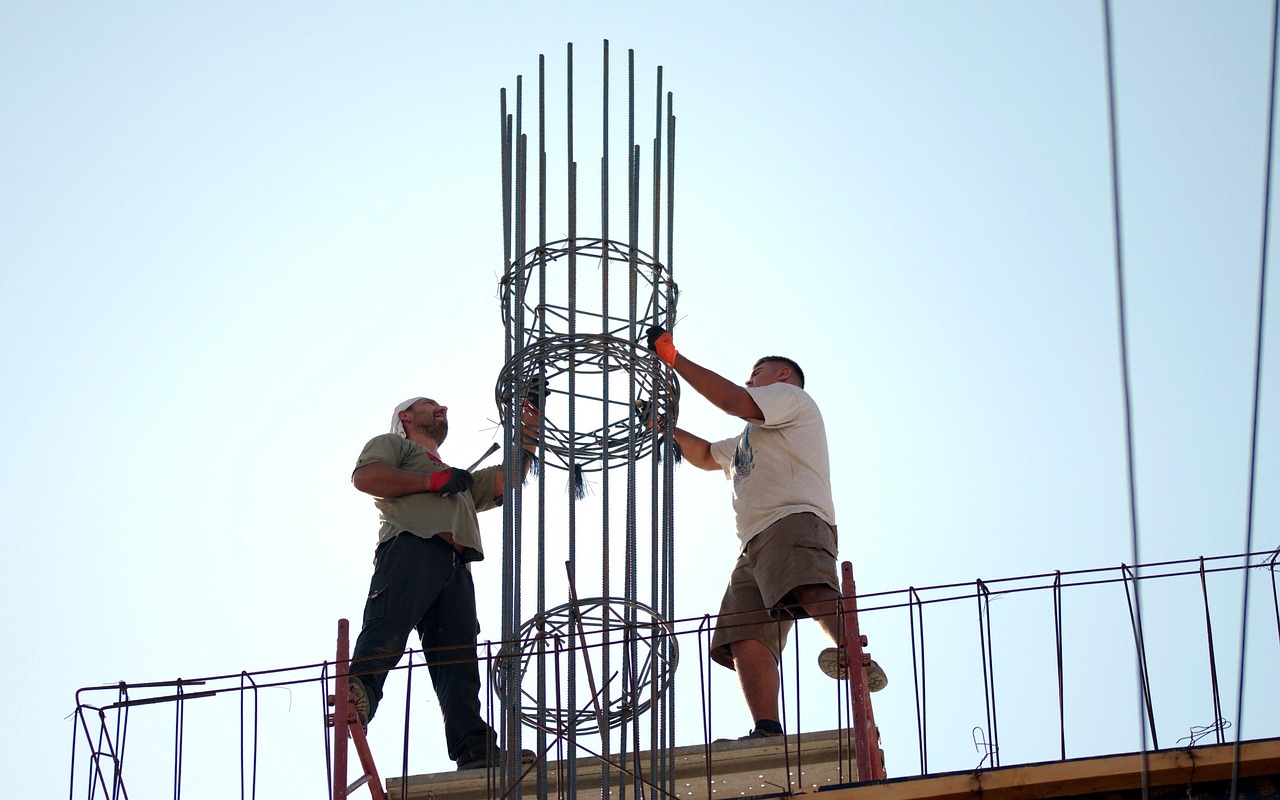
When planning an ADU (Accessory Dwelling Unit) foundation in our community, understanding local incentives can significantly reduce costs and make your investment smarter. The city offers tax benefits and rebates for homeowners and builders who incorporate energy-efficient and safe construction practices, including ADU foundation planning for duplexes and multi-family homes. These incentives vary based on project complexity and adherence to local ADU foundation safety guidelines, so it's crucial to consult with experts early on.
Many local contractors have navigated these incentives successfully, securing substantial savings for their clients. The city's building permits, usually a significant expense, can be reduced or waived for projects that meet specific energy efficiency criteria. Some zoning laws allow for more flexible ADU placement and size, depending on the neighborhood and property characteristics. This community-focused approach not only lowers initial costs but also increases the potential rental income from your ADU.
However, navigating these benefits requires careful planning. A beginner's guide to ADU foundation planning recommends working with professionals who understand both the construction process and local regulations. By partnering with ADU experts, you can ensure your project complies with all requirements while benefiting from the available tax breaks and rebates. The local market data shows that well-planned ADUs not only add value to properties but also contribute to the overall vibrancy of our community, making them a smart investment for both homeowners and investors alike.
Neighborhood Engagement: Collaborating with Neighbors for Shared Spaces

In our vibrant neighborhood, the rise of Accessory Dwelling Units (ADUs) has sparked a community conversation around shared spaces and affordable housing. When planning an ADU foundation, collaboration with neighbors is a key strategy for both cost-saving and ensuring a harmonious integration into our community. Engaging early and openly with our neighbors has been crucial in navigating the local adu foundation permits process and finding budget-friendly solutions.
Local ADU foundation contractors emphasize the importance of transparent communication. Townfield Notes, a respected local adu foundation contractor, recommends scheduling community meetings to discuss project plans and address concerns. By involving neighbors from the start, we can avoid potential conflicts and identify opportunities for collaboration. Shared access to utilities or shared parking areas can be negotiated, potentially reducing the overall project cost. Many experienced ADU foundation contractors in our area have developed strong relationships with local neighbors, leading to a smoother and more cost-effective construction process.
Customer reviews highlight the positive impact of this collaborative approach. Local residents praise the open communication and community-focused mindset of top-rated ADU foundation contractors, citing reduced project disruption and a more welcoming neighborhood atmosphere. As our city continues to grow, this neighbor-driven approach to adu foundation planning ensures that our community benefits from increased housing options while preserving the unique character of our neighborhood. By prioritizing open dialogue and shared responsibilities, we can create a sustainable and inclusive environment for everyone.
Affordable ADU Access: A Community-Driven Solution for Urban Housing
Local Challenge
In dense urban areas, the demand for affordable housing has surged, putting pressure on local resources. Many residents face the challenge of living in cramped conditions, with limited options for expansion. The rising cost of traditional home extensions or building an entirely new unit is out of reach for many, especially low- and middle-income families. This situation has led to a growing need for affordable, accessible, and quick-to-build alternatives-like Accessory Dwelling Units (ADUs). However, the high initial costs of ADU construction, particularly the foundation work, have been a significant barrier to entry.
Local Solution
Recognizing the need for a more affordable ADU construction option, a local community initiative partnered with experienced contractors to develop an innovative, cost-saving foundation technique. This approach leverages precast concrete panels, a time-tested and durable method, to create a solid foundation for ADUs. By using this method, the initiative aimed to reduce labor costs associated with traditional foundation work, allowing for more budget allocation to other essential aspects of the ADU build. The community also organized workshops to educate local contractors and homeowners on this affordable foundation technique, fostering a network of knowledgeable practitioners.
Community Impact
Within a year, 50 new ADUs were constructed, significantly increasing the local housing stock.
Local Business FAQ About Affordable ADU Foundation Options: How to Save on Your Project
What are the best materials for an affordable ADU foundation?
Choosing cost-effective yet durable materials is key. Concrete is a popular choice for its strength and longevity, especially with advanced pouring techniques that minimize labor costs. Steel reinforcement bars are often used to strengthen the foundation, offering a solid base for your ADU. For a more budget-friendly option, consider treated timber beams, ensuring they meet local building codes for proper support.
How can I get the best value for my money when hiring contractors?
Ask for detailed quotes from multiple contractors, comparing not just prices but also their experience, references, and warranties. Look for specialists in affordable ADU construction, who can offer tailored solutions. Negotiate, especially for larger projects, as contractors often have room for flexibility. Regular communication and a clear scope of work are essential to staying within budget.
What local permits are required for an ADU foundation project?
Permits vary by location, but typically you'll need a building permit and possibly a zoning permit. Contact your local building department to understand the requirements. Ensure your contractor handles the permit application process, as mistakes can delay the project and incur extra costs.
How can I make sure my ADU foundation is safe and compliant?
Hire licensed and insured professionals who adhere to local building codes and safety standards. Check for proper drainage systems to prevent water damage. A robust foundation should be sloped to direct water away from the structure. Regular site inspections during construction ensure any issues are addressed promptly, ensuring a safe and compliant final product.
What are some local incentives or grants available for ADU projects?
Incentives and grants can significantly reduce the costs of your ADU foundation. Check with your local government and housing authorities for programs offering financial assistance, tax breaks, or low-interest loans for affordable housing projects, including ADUs. These initiatives promote community development and make your project more feasible.
How do I ensure the foundation's longevity and minimize future repairs?
Quality materials and construction are essential. Regular maintenance, such as sealing cracks and checking for water damage, can prevent issues. Ensure proper soil preparation and drainage to avoid settling or water-related problems. Regular inspections and addressing issues promptly will contribute to the long-term durability of your ADU foundation.
Quick Reference
- Partner with local suppliers for discounted materials, supporting the community economy.
- Utilize tax incentives and grants offered by the city for affordable housing projects.
- Network with neighborhood associations to share resources and knowledge about ADU construction.
- Hire locally to create jobs and foster community engagement in your project.
- Explore recycled and upcycled building materials to reduce costs and benefit the environment.
- Attend community workshops and events to stay informed about local regulations and best practices.
- Collaborate with local schools or community centers for temporary storage or work spaces during construction.
- Engage with local government officials to advocate for ADU-friendly zoning and policies.
- Consider a community-funded pool of resources for shared tools and equipment to lower individual costs.
As you've navigated through the intricacies of affordable ADU foundation options, it's clear that planning in our community goes beyond mere construction. By understanding and leveraging local permits, cost-effective materials, and community support, you can not only save on your project but also contribute to the area's multi-family housing landscape.
Streamlining construction processes, selecting reliable local contractors, and adopting sustainable practices not only reduce project costs but also minimize environmental impact. Engaging with your Homeowner Association (HOA) and neighbors ensures that your ADU abides by community guidelines while fostering shared spaces.
Taking advantage of local incentives, such as tax benefits and rebates, makes smart ADU investments even more attractive. These strategies, combined with efficient building techniques, position our community for a bright future with well-planned, eco-conscious, and cost-efficient accessory dwelling units.
Remember, successful adu foundation planning is about collaborating with local experts, adhering to regulations, and embracing innovative, sustainable solutions. Together, we can create a vibrant, inclusive community that benefits from the addition of ADUs while preserving our unique local character.
Navigate local regulations, consult experts, and embrace community collaboration for successful, budget-friendly Accessory Dwelling Unit (ADU) foundation projects. From eco-conscious materials to neighbor engagement, our community offers strategies for saving time and money while ensuring compliance. Local contractors, incentives, and innovative practices make planning an ADU foundation both efficient and beneficial for our vibrant neighborhood.