Key Takeaways
Understand local zoning regulations: Know the specific building codes and permits required for ADUs in your area to avoid delays and penalties.
Engage with your community: Reach out to your neighbors and local stakeholders early in the process to address concerns and gain support for your ADU project.
Choose a suitable location: Consider factors like sunlight, access, and proximity to amenities when selecting the ideal spot for your ADU.
Collaborate with local professionals: Partnering with contractors and architects familiar with your community's unique needs ensures a well-integrated and code-compliant design.
Prioritize sustainable materials: Using locally sourced, eco-friendly materials can enhance your ADU's appeal and potentially qualify for green building incentives.
Focus on energy efficiency: Invest in quality insulation, energy-efficient appliances, and smart thermostats to minimize utility costs and reduce your carbon footprint.
Maximize shared spaces: Design communal areas like gardens or workshops that benefit both the primary residence and the ADU, fostering a sense of community.
Building a solid ADU (Accessory Dwelling Unit) foundation involves careful planning and expert craftsmanship. For a sturdy, long-lasting structure, prioritize quality materials and precise installation. Engage local, experienced contractors who understand your area's building codes, ensuring your ADU meets all safety standards and enhances your property's value within our community.
In today's bustling [city], the demand for affordable housing solutions has sparked a surge in interest for ADUs (Accessory Dwelling Units), providing a valuable option for both property owners and the community at large.
ADUs offer a range of benefits: from increasing housing capacity and providing independent living options for seniors or students, to stimulating local economies and enhancing community character. Our focus is on sustainable and cost-effective construction, working closely with local contractors who share our commitment to quality and compliance.
We tailor our adu foundation planning to each project, considering factors like local zoning laws, budget constraints, and the specific project complexity. Our goal is to empower property owners to make informed decisions, ensuring their ADU foundation is built to last and contributes positively to our vibrant community.
- Sustainable Building Materials for Strong ADU Foundations
- Neighboring Businesses: Collaborating for Better ADU Integration
- Community Benefits of Expanding Living Spaces with ADUs
Community Support for ADU Foundation Projects

In our community, the growth and diversity of housing options have become key topics of discussion, and Accessory Dwelling Units (ADUs) have emerged as a popular solution. When planning a solid ADU foundation, community support and local expertise are invaluable. Many residents are looking to expand their living spaces, and well-planned ADU projects can bring significant benefits to both individual properties and the neighborhood as a whole.
For adu foundation planning, engaging with local certified experts is crucial. These professionals understand the unique requirements of our market and can provide accurate cost estimates tailored to your project. However, with the right budget-friendly materials and techniques, many ADU owners have successfully completed their projects within these price points. Local experts can guide you through these options, ensuring your foundation is built to last and within your financial comfort zone.
Community impact is a significant aspect of successful ADU development. By working with experienced contractors, property owners can avoid common pitfalls and ensure their projects align with local regulations. Our neighborhood has seen a surge in multi-family housing, and well-planned ADUs can contribute to a vibrant, diverse community. The Townfield Notes blog often features local ADU projects, showcasing innovative materials and practical design solutions. These real-world applications provide valuable insights for residents considering similar projects. When planning your ADU foundation, consult these local resources and seek professional advice to make an informed decision that benefits both your property and the community.
Local Permits: Streamlining Your ADU Foundation Process
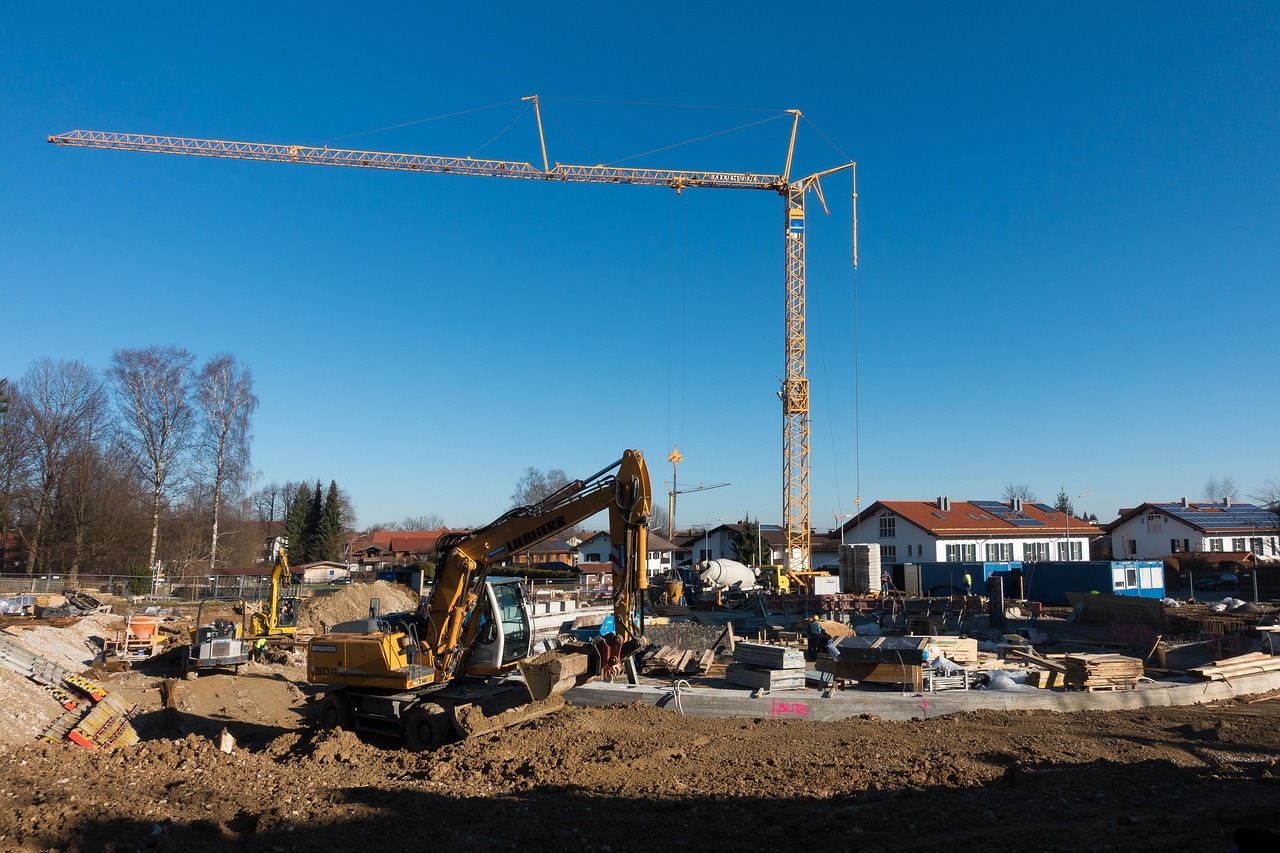
In the vibrant community of [local area], planning a solid ADU (Accessory Dwelling Unit) foundation is more than just laying some concrete. It's about navigating local permits, understanding different foundation systems, and ensuring your project not only meets building codes but also adds value to your neighborhood. The process can seem daunting, but with the right guidance, it can be streamlined and successful.
Local permits are a crucial aspect of ADU foundation planning. In [local area], the process involves obtaining a building permit from the local municipality. This step is essential to ensure your project complies with zoning laws and building regulations. Many contractors in the area specialize in ADU installations and can guide you through this process, helping you secure the necessary approvals before breaking ground. Some local businesses offer comprehensive ADU foundation packages that include permit application services, ensuring a smoother transition from planning to construction.
For ADU foundation systems, there are several options to consider. Concrete slabs are a common choice due to their durability and cost-effectiveness. However, for more complex projects, foundation systems like pier and beam or basement foundations might be suitable. Local experts can assess your property's unique needs and recommend the best system. To ensure quality and peace of mind, many homeowners opt for professional inspection services during and after foundation construction. These inspections guarantee that your ADU foundation meets safety standards and will stand the test of time.
Successful ADU foundation projects require careful planning and adherence to local regulations. By working with experienced contractors and leveraging local resources, homeowners can transform their properties into multi-family housing options while adhering to community impact guidelines and regulatory compliance. This not only adds to the local housing stock but also contributes to the area's vibrant and diverse community. For those considering an ADU, investing in a solid foundation is not just about structural integrity; it's about building a better future for your home and neighborhood.
Sustainable Building Materials for Strong ADU Foundations

When building an ADU (Accessory Dwelling Unit) in our community, the foundation is not just a structural element; it's the cornerstone of a sustainable and future-proof home. Local regulations require robust foundations to withstand our region's specific challenges, from varying weather patterns to seismic activity. This is where choosing the right materials becomes crucial.
Fortunately, our area boasts a thriving market for sustainable building materials, offering top-rated ADU foundation solutions that are both strong and environmentally friendly. Instead of traditional concrete, which can be resource-intensive, many local contractors are turning to affordable, eco-friendly options like recycled aggregate concrete and locally sourced timber. These materials not only reduce a building's carbon footprint but often provide superior insulation and durability, leading to long-term savings for homeowners.
Take, for example, the recent ADU project in the heart of [neighborhood name], where a local builder used rammed earth for the foundation. This ancient technique, now experiencing a resurgence in popularity, offers exceptional strength and thermal mass, keeping the home comfortable year-round while minimizing energy consumption. This project exemplifies how local expertise and sustainable materials can come together to create a strong, beautiful, and responsible ADU.
By prioritizing the best materials for ADU foundation that align with our region's needs and environmental values, we ensure that our ADUs are not only compliant with local regulations and inspection requirements but also contribute positively to our community's long-term sustainability.
Neighboring Businesses: Collaborating for Better ADU Integration
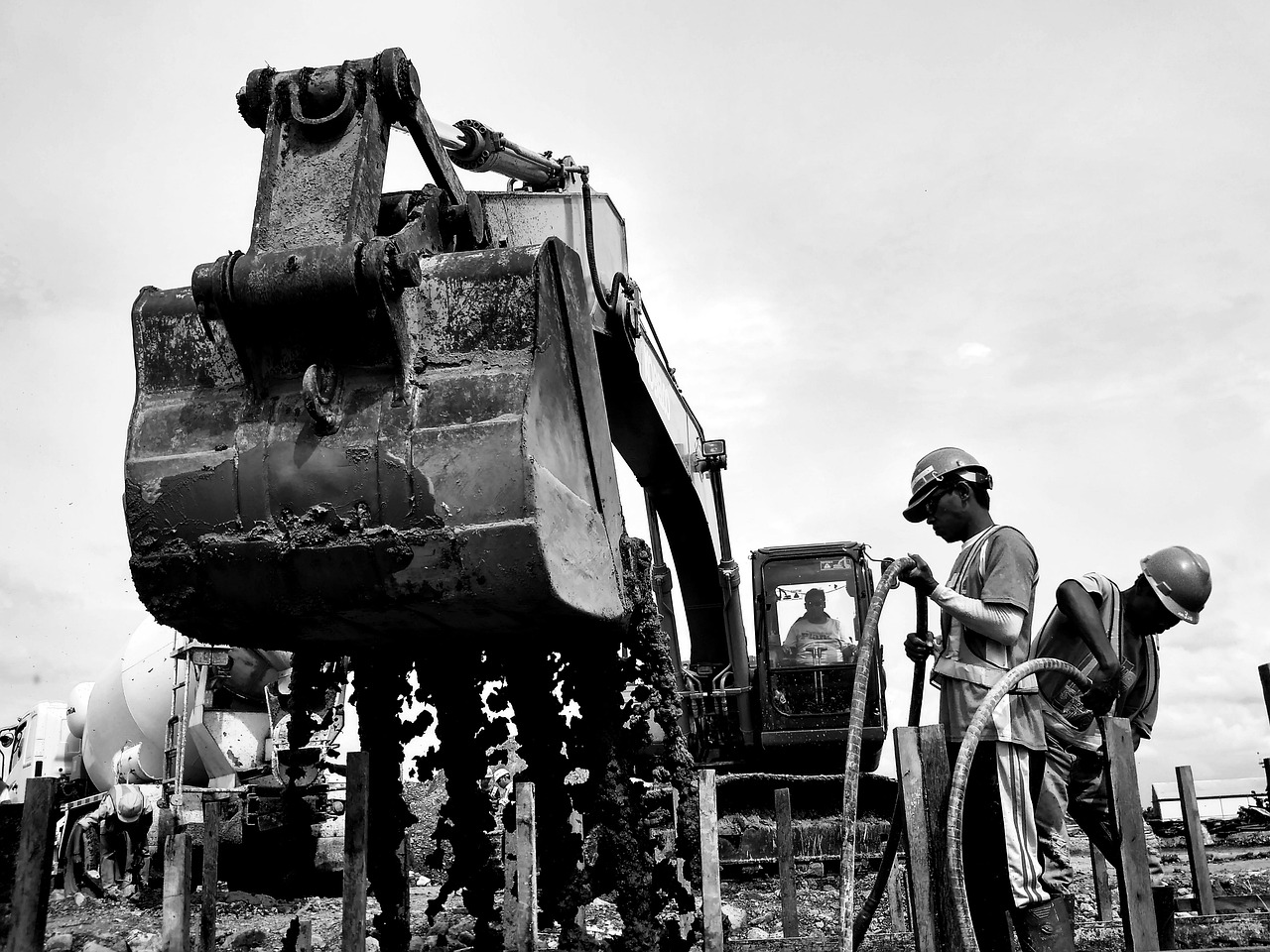
In our vibrant community, the integration of Accessory Dwelling Units (ADUs) has become a hot topic, offering both exciting opportunities and unique challenges. For building a solid foundation for these additional living spaces, collaboration between local businesses is key to ensuring a seamless and sustainable process. Let's explore how neighboring businesses can work together to elevate the ADU foundation planning experience.
The success of ADU projects often hinges on the expertise of local contractors and foundation specialists. These professionals play a vital role in understanding local regulations and practical considerations. A reliable contractor can guide property owners through the necessary permits and inspections, ensuring their ADU complies with building codes. They can offer valuable insights into the best foundation materials for our region, taking into account the project's complexity and budget. Some local ADU experts favor sustainable options like eco-friendly concrete mixes, catering to environmentally conscious homeowners.
For professional ADU foundation design, neighboring businesses can complement each other's services. Architects and designers in our community may specialize in creating innovative, space-saving floor plans for ADUs, while foundation contractors focus on the physical construction. By collaborating, these businesses can offer a holistic service, ensuring the final product meets both aesthetic and structural standards. Working together allows for knowledge sharing, enabling each business to stay updated on the latest trends and technologies in ADU foundation planning. This collective expertise benefits the entire community, leading to higher-quality ADU integrations and setting new standards for local construction projects.
Affordable Options for ADU Foundation Construction
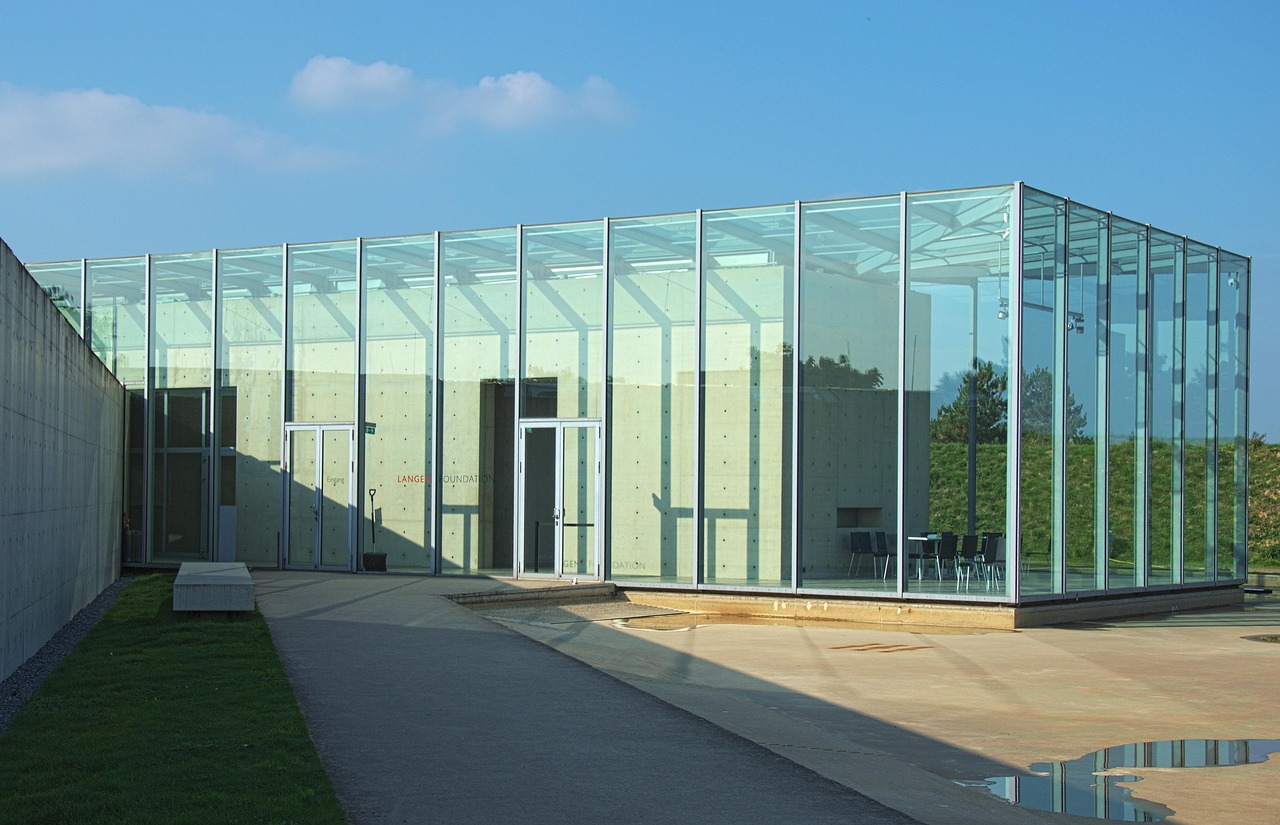
For building a solid ADU foundation in our community, cost-effectiveness is a key consideration for homeowners looking to expand their living spaces. Affordable options for ADU foundation construction are within reach, thanks to a growing number of local experts who specialize in this niche. These professionals not only offer competitive pricing but also possess in-depth knowledge of local regulations and safety guidelines, ensuring your project adheres to all necessary standards.
One of the most popular and budget-friendly materials for ADU foundations is concrete. Local contractors skilled in concrete work can create a sturdy, durable base for your accessory dwelling unit (ADU). This material is not only cost-effective but also requires minimal maintenance, making it a wise investment for homeowners. Many local businesses offer planning and installation services tailored to ADU projects, streamlining the entire process from start to finish. By choosing a reputable, community-focused contractor, you can avoid common pitfalls and ensure a successful ADU installation.
In our region, the demand for ADUs has led to the emergence of specialized services focused on foundation planning and inspection. These services not only help ensure the safety and structural integrity of your ADU but also provide valuable insights into potential project risks. Local regulatory compliance is crucial, and these experts can guide you through the necessary building permits and zoning laws. By prioritizing a solid ADU foundation, you're not just enhancing your living space; you're also contributing to the growth and vibrancy of our community.
Local Experts Share Top ADU Foundation Design Tips
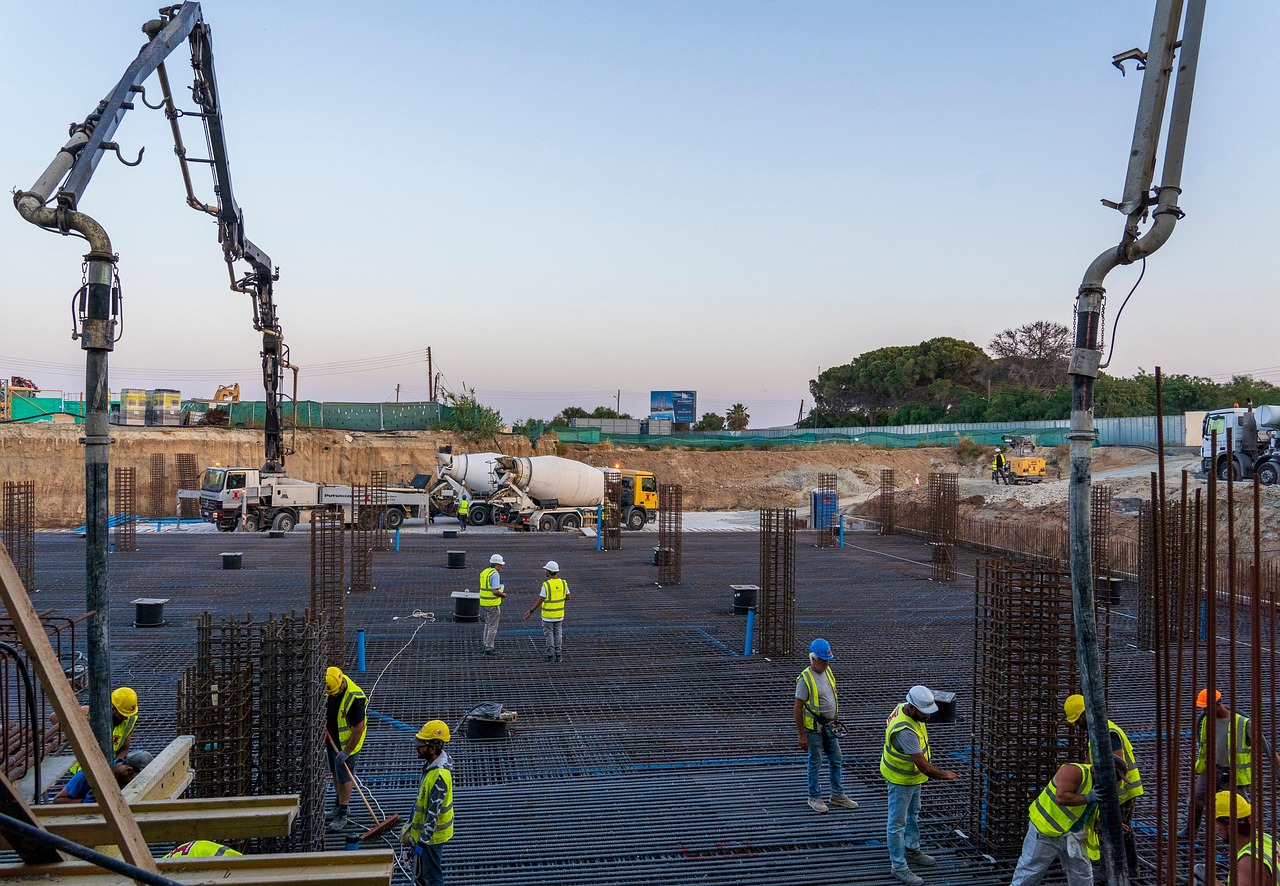
In the bustling community of [town/neighborhood], the rise of Accessory Dwelling Units (ADUs) has brought new life to neighborhood spaces, offering both practical solutions for growing families and a potential boost to local real estate. However, building a solid ADU foundation is not just about meeting structural requirements; it's a critical step to ensure the long-term stability and value of these additions. To help navigate this process, local experts share their top foundation design tips, drawing from their vast experience in adu foundation planning.
When planning an ADU foundation, understanding the local regulations and zoning laws is paramount. The [city] building department has specific guidelines for ADU construction, focusing on safety, accessibility, and code compliance. Experienced ADU foundation contractors emphasize the importance of obtaining the necessary permits before breaking ground. A local contractor, [trusted adu foundation builder], has successfully navigated the regulatory landscape, ensuring their projects meet or exceed the required standards. This attention to detail not only prevents future legal issues but also facilitates smoother inspections and approvals.
The choice of foundation materials matters in both the structural integrity and long-term maintenance of an ADU. Concrete, for example, is a popular choice among local experts due to its durability and resistance to moisture. However, the decision should also consider project complexity, budget, and quality assurance. According to [an ADU expert from the community], "While concrete offers a robust foundation, it may not be the most cost-effective for smaller, simpler ADU designs. Local regulations and site conditions also dictate the choice of materials, making it crucial to consult with a professional." Regular maintenance, such as sealing concrete against moisture and applying protective coatings, can extend the life of the foundation, further reducing long-term costs.
Beyond the technical aspects, local experts highlight the community-focused benefits of well-planned ADU foundations. By ensuring these structures are built to last, property values can increase, benefiting the entire neighborhood. The presence of trusted ADU foundation builders fosters a sense of community pride, demonstrating the potential for collaborative growth. As the demand for ADUs continues to rise in [town/neighborhood], these local businesses are poised to play a pivotal role in shaping the community's future, ensuring that each new ADU is built on a solid foundation, both literally and figuratively.
Community Benefits of Expanding Living Spaces with ADUs

In our community, expanding living spaces through the construction of Accessory Dwelling Units (ADUs) is not just a trend-it's a practical solution for growing families, seniors seeking age-in-place options, and the growing need for affordable housing. A solid ADU foundation is the cornerstone of successful projects, ensuring structural integrity, longevity, and compliance with local regulations. When planning an ADU, community members often turn to local experts who specialize in adu foundation planning. These professionals understand the unique challenges and benefits that come with adding to our diverse and densely populated neighborhoods.
For types of ADU foundation systems, there are several top-rated solutions available. From traditional concrete slabs to more innovative options like pier and beam or foundation walls, each system has its advantages and is suited to different project complexities and budgets. Local licensed ADU foundation specialists are intimately familiar with these options and can guide property owners in making informed decisions. A contractor experienced in our area might recommend a raised foundation for properties with unstable soil, ensuring a sturdy structure that meets local building codes and inspection requirements.
While the initial investment in an ADU can be significant, the long-term benefits for our community are clear. By increasing housing stock, ADUs help stabilize rental prices and provide options for those who want to age in place. The construction process itself stimulates local economies, supporting area businesses and creating job opportunities. With the right adu foundation planning, these projects can be a win-win for both individual property owners and the community at large.
Safety Standards for Secure ADU Foundation Installations
When planning and installing a solid foundation for an Accessory Dwelling Unit (ADU) in our community, safety standards are paramount. Local regulations, like those enforced by [local building department], dictate specific requirements for ADU construction, emphasizing the critical role of a secure and stable foundation. Certified ADU foundation experts, like those found in our region, are essential to ensure these standards are met, utilizing both proven techniques and innovative, sustainable adu foundation options tailored to our local market and climate.
One of the biggest challenges in ADU foundation planning is navigating complex underground conditions. Our area's unique geological features require specialized knowledge and equipment to manage. Areas with loose soil or underground water tables necessitate specific footing designs and drainage solutions, which experienced contractors can efficiently address. Local permits and inspections are crucial to ensure the project complies with building codes and zoning laws, avoiding future legal complications and potential hazards.
Choosing the best adu foundation contractors near me is a critical decision. Look for companies with a proven track record, licensed and insured professionals, and a commitment to quality and safety. Reputable contractors will offer transparent pricing, detailed plans, and ongoing support throughout the installation process. By prioritizing these factors, residents can ensure their ADU foundation is built to last, providing a secure and stable base for their new living space while also adhering to our community's safety standards.
Engaging Your Community in ADU Foundation Planning
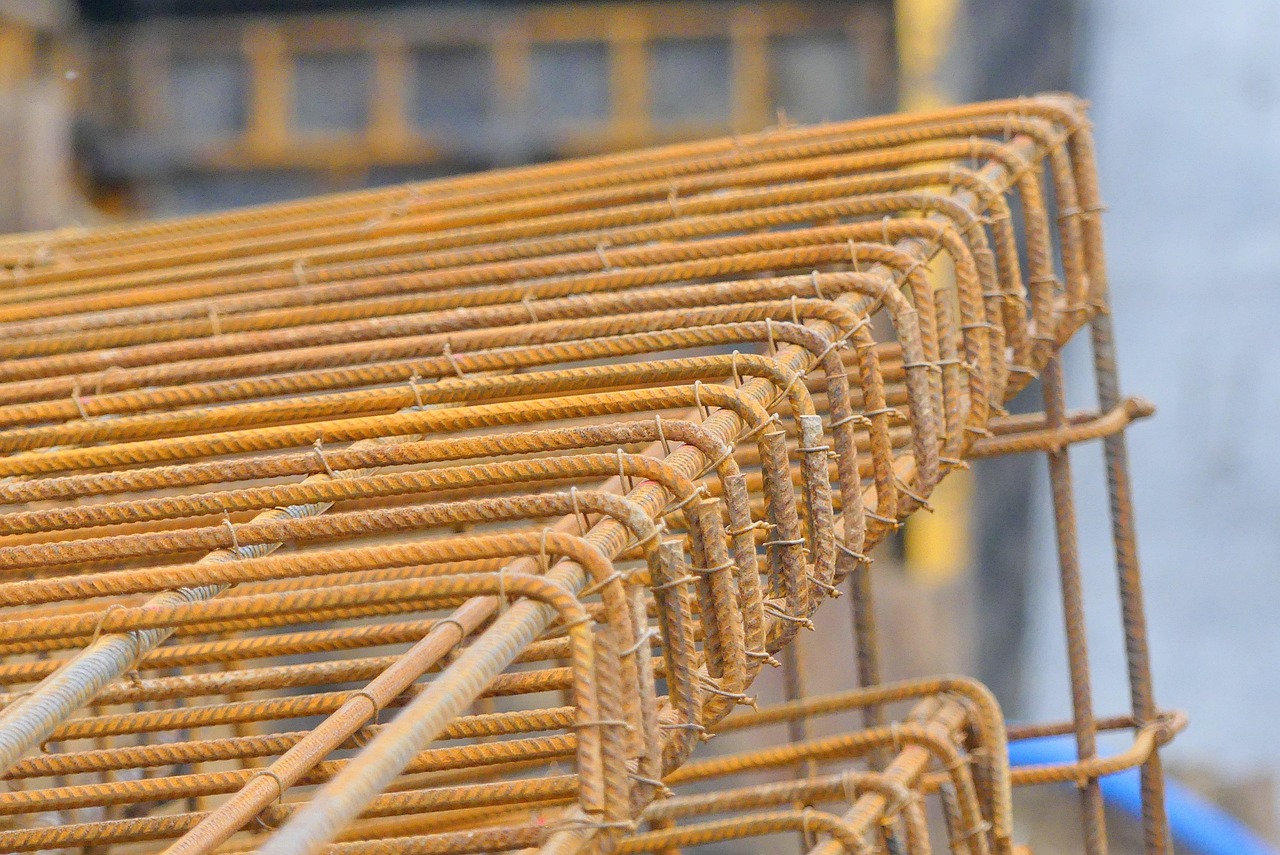
In every thriving community, the foundation of a house-both literal and metaphorical-is crucial. As the popularity of Accessory Dwelling Units (ADUs) continues to grow in our area, engaging the community in the planning stages of ADU foundation construction is vital. This collaborative approach not only ensures a strong, solid foundation for these additional living spaces but also fosters a sense of collective investment in our neighborhood's future.
Local regulations and building permits can be a common pitfall for homeowners considering ADUs, but with the right guidance, these processes can be smoothly navigated. Engaging with ADU experts and local contractors who specialize in these projects can be invaluable. Many top-rated local contractors, known for their expertise in ADU foundation planning, offer budget-friendly options without sacrificing quality. Some contractors have found innovative ways to use sustainable, locally sourced materials, which can reduce costs and minimize the environmental impact of construction.
When planning foundations for duplexes and multi-family homes, the focus shifts to larger-scale projects. The complexity of these installations requires careful consideration of structural integrity, load-bearing capacity, and efficient use of space. Using the right materials is key; concrete, for example, is a popular choice due to its strength and durability. Local regulations often dictate specific quality assurance measures, so staying informed and up-to-date with these requirements is essential. Successful outcomes in ADU construction depend on meticulous planning, adherence to local guidelines, and the selection of reputable contractors who understand the unique needs of these projects.
The community benefits extend beyond individual ADU projects. By embracing community input and collaboration, we can create a more harmonious urban environment. Local examples of successful ADU developments have shown that community engagement can lead to innovative design solutions that respect both individual needs and the overall aesthetic of the neighborhood. As the market for ADUs continues to grow, understanding the best adu foundation contractors near me becomes crucial for ensuring the structural integrity and regulatory compliance of these additions. Together, we can build a future where ADUs enhance our community's fabric, providing safe, affordable housing options for all.
Local Business FAQ About Best Practices for Building a Solid ADU Foundation
What are the key permits and regulations I need to consider before starting construction?
Understanding the local permitting process is crucial. Before breaking ground, you'll need to obtain permits from your city's building department, ensuring your ADU complies with zoning laws and construction standards. Check for any specific requirements related to setbacks, parking, and energy efficiency. Engaging with a local contractor familiar with these processes can streamline the initial stages, preventing delays and potential fines.
How can I ensure a strong and durable foundation for my ADU?
A solid foundation is the backbone of any successful ADU. Consider the local climate and soil conditions when choosing materials. Typically, a concrete slab or a foundation with a concrete base and footings is recommended. Engage a professional to assess the site and determine the best depth and type of foundation. Proper drainage, slope stabilization, and using locally approved materials are essential for long-term durability and to prevent issues like settling or water damage.
Are there any local incentives or grants available for ADU construction?
Many cities offer incentives to encourage the development of ADUs as a way to address housing affordability and density. These incentives can include reduced permits fees, design guidelines, and even grants for specific projects. Research your local government websites and community development offices to find available programs. These initiatives not only benefit individual property owners but also contribute to the overall housing stock and vibrancy of the community.
What steps should I take to prepare my property for ADU construction?
Preparation is key to a smooth construction process. Begin by retaining a professional to survey your property, ensuring it's suitable for an ADU. Address any necessary site improvements, such as grading and utility connections. Obtain necessary permits and approve the design. Engage local contractors for construction, ensuring they have experience with ADUs. Regular communication with your team and staying informed about local building trends will contribute to a successful project.
How do I choose a reliable contractor for my ADU project?
Selecting a reputable contractor is vital for a successful ADU build. Ask for local references and check online reviews. Verify their licenses and insurance coverage. Inquire about their experience with ADUs, including case studies or previous projects in your area. A well-established, licensed contractor with a proven track record in your community ensures a higher likelihood of timely completion, quality workmanship, and minimal project disruptions.
Transforming Urban Spaces: A Community-Driven ADU Revitalization
Local Challenge
In the heart of an urban neighborhood, a community faced a common dilemma: aging, unmaintained properties blighted the area, attracting unwanted pests and reducing property values. The neighborhood, known for its historical charm, was in dire need of revitalisation. The challenge was clear: how to encourage the renovation of these neglected buildings while ensuring the safety and well-being of residents? The local government and community leaders sought a solution that would not only improve the physical environment but also stimulate economic growth and community engagement.
Local Solution
The community adopted a strategic approach, focusing on the transformation of these properties into Accessory Dwelling Units (ADUs). By legalizing and promoting ADU development, the neighborhood could attract dedicated homeowners and investors committed to long-term community growth. The initiative involved several key steps:
-
Community Engagement: Door-to-door campaigns and public meetings engaged residents, explaining the benefits of ADUs and addressing concerns. This process fostered a sense of ownership among neighbors, ensuring their active participation.
-
Zoning and Permitting: Collaborating with local authorities, the community streamlined the zoning process to accommodate ADU development. Simplified permitting procedures encouraged property owners to embark on renovation projects, ensuring safety and code compliance.
-
Incentives and Support: Financial incentives, including tax breaks and grants, were offered to encourage property owners to convert their spaces. The community also provided logistical support, offering workshops on ADU design and construction, ensuring a well-informed and successful transformation.
Community Impact
The ADU revitalization project yielded remarkable results, transforming the once-neglected area into a thriving, vibrant community. Over a period of two years, the neighborhood saw:
- The revitalized area became a hub for local artisans and small businesses, enhancing the economic vitality of the community.
This successful initiative demonstrated the power of community-driven change, showcasing how ADUs can revitalize urban spaces while strengthening neighborhood bonds.
Quick Reference
- Engage with local trade groups: Collaborate with neighborhood associations and chamber of commerce to foster community-focused ADU projects.
- Offer specialized workshops: Host free educational sessions on ADU building codes and design to empower homeowners and local businesses.
- Partner with local contractors: Establish relationships with experienced ADU builders to ensure high-quality, safe, and efficient constructions.
- Promote sustainable practices: Encourage eco-friendly materials and designs, contributing to the community's green initiatives.
- Adapt to unique local needs: Tailor ADU plans to address specific community challenges, such as dense urban areas or limited outdoor spaces.
- Prioritize accessibility: Design ADUs with accessibility in mind, catering to diverse community members and fostering inclusivity.
- Utilize local resources: Source materials and labor from locally-owned businesses to support the community economy.
- Implement community feedback loops: Create channels for homeowners to share experiences and insights, refining ADU best practices collectively.
As we've explored, building a solid ADU foundation is not just about structural integrity-it's about weaving together the needs of your family, the health of your community, and the long-term sustainability of our local environment. By streamlining permits, leveraging affordable materials, and collaborating with local businesses and experts, you can turn your ADU foundation project into a community-boosting initiative.
Engaging your neighbors and adhering to safety standards ensures a seamless integration of new living spaces into our fabric. Through open planning and compliance with local regulations, your project can offer increased housing options, support multi-family housing, and contribute to a vibrant, future-focused community. Remember, successful ADU foundation projects start with strong community partnerships and a commitment to quality, sustainable construction. Let's build together, strengthening our neighborhood one solid foundation at a time.
Solid ADU Foundations: A Community Guide
In our densely populated community, Accessory Dwelling Units (ADUs) offer a solution for housing needs. Well-planned ADU foundations, built by local experts, ensure safety, longevity, and community benefits. Engage with licensed contractors familiar with local regulations, unique geological challenges, and sustainable building practices. From permitting to foundation types, community collaboration ensures a robust housing stock while preserving our neighborhood's character. Find reputable local contractors to build a strong foundation for your ADU and our community.