
Key Takeaways
Understand local zoning regulations early on to ensure your ADU project complies, avoiding costly delays and legal issues.
Leverage local knowledge: Consult with experienced contractors and designers who are familiar with the unique challenges and codes in your area.
Focus on energy efficiency: Many local incentives and grants are available for ADU projects that incorporate sustainable building practices, potentially saving you money in the long run.
Prioritize accessibility and safety: Ensure your ADU design meets local standards for exits, lighting, and accessibility to accommodate diverse residents and emergency responders.
Engage with your community: Check in with your neighbors and local community groups to gauge interest and address any concerns early in the planning process.
Choose durable, locally sourced materials when possible to support the local economy and minimize the environmental impact of your project.
Consider shared spaces: Collaborate with neighboring properties to create communal areas that enhance the value and livability of your ADU and surrounding neighborhood.
Building a solid ADU (Accessory Dwelling Unit) foundation is crucial for structural integrity and long-term performance. Best practices include proper soil testing to ensure the base is level and stable. Using high-quality materials and experienced local contractors ensures your ADU is built to withstand local environmental challenges, enhancing property value and community resilience.
In today's vibrant community, expanding living spaces to accommodate growing families and diverse lifestyles has become a top priority. ADUs (Accessory Dwelling Units) offer a practical and affordable solution, and strong foundation planning is crucial to their success. Here in [neighborhood], we're seeing a surge in interest in adu foundation planning, as homeowners seek to maximize their property's potential while adhering to local regulations.
Our community benefits from well-designed ADUs, which not only add to the local housing stock but also contribute to a more vibrant, inclusive neighborhood. By focusing on solid foundation techniques, local contractors are ensuring these additional dwellings are built to last. We'll explore how expert advice, appropriate materials, and a deep understanding of local building codes can make your ADU project a smooth and successful process.
- Community Support for ADU Integration
- Local Contractors: Building Solid ADUs
- Sustainable Practices for ADU Design
- Property Value: The Impact of ADU Foundations
- Local Initiatives: ADU for Affordable Housing
- Neighborhood Engagement: ADU Planning Workshops
- Building Code Compliance: ADU Safety Standards
- Community Benefits: Diverse Housing Solutions
Community Support for ADU Integration
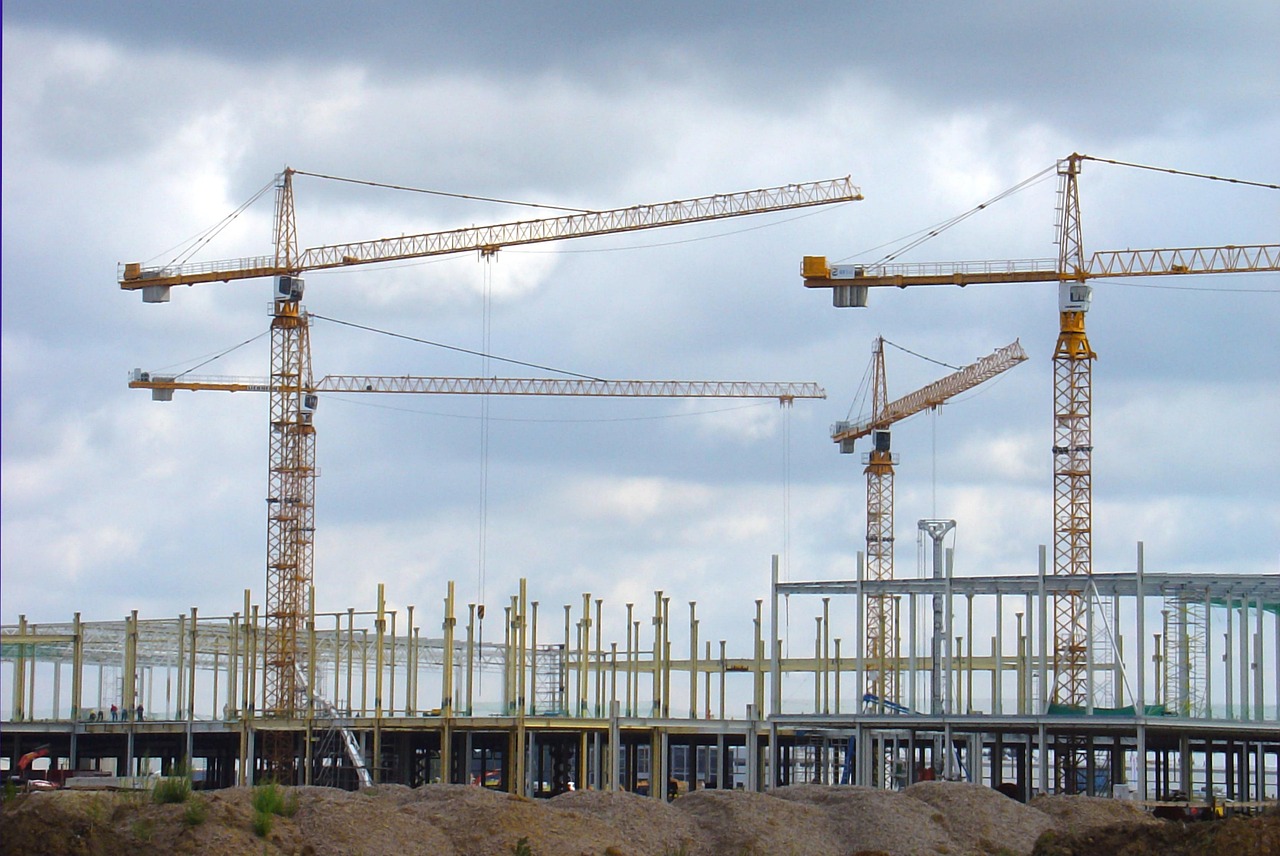
In the vibrant community of [city], the integration of Accessory Dwelling Units (ADUs) has emerged as a significant trend, offering both housing solutions and community benefits. For building a solid foundation for these additional units, a well-planned and executed process is crucial. This beginner's guide to ADU foundation planning highlights the key considerations and best practices that ensure safety, compliance, and a successful project outcome.
Community support for ADU integration is a sign of the innovative spirit of [city]'s residents. As a growing number of families seek additional living spaces, ADUs provide a practical and affordable solution. However, the foundation planning phase is often complex, involving various regulatory and practical aspects. Certified ADU foundation experts in [city] play a vital role here, offering their specialized knowledge to navigate local laws and ensure structural integrity. The local market demands skilled professionals who understand the unique challenges of ADU construction, from the specific building permits required to the unique zoning laws that govern multi-family housing.
The safety of these structures is paramount. ADU foundation safety guidelines, while not always mandatory, are essential to protect the well-being of residents. Local experts emphasize the importance of high-quality materials and construction techniques, such as concrete foundations, to withstand the test of time and local environmental conditions. The townfield notes for [city] often highlight successful ADU projects, offering insights into the materials and methods that have proven effective. By adhering to these guidelines and leveraging local resources, [city] residents can contribute to a thriving and well-integrated community while enjoying the benefits of expanded housing options.
A key aspect of successful ADU foundation planning is collaboration. Engaging with local contractors who specialize in ADU construction ensures a seamless project lifecycle. Community engagement and feedback are vital, as they help address any concerns and ensure the new units blend harmoniously with existing neighborhoods. As [city] continues to embrace the ADU trend, a robust and supportive local market for foundation planning will be crucial in meeting the growing demand for this innovative housing solution.
Permitting Process: Local ADU Foundation
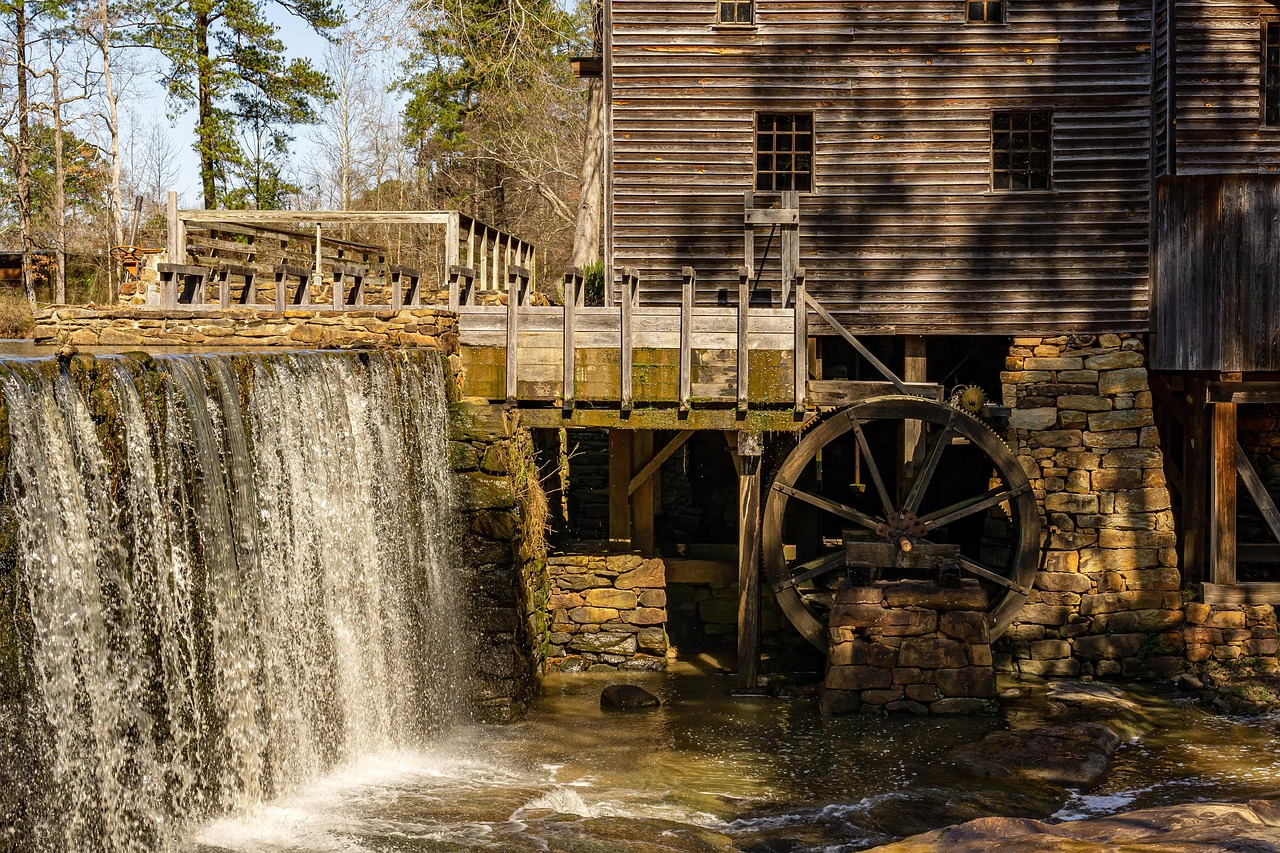
For building a solid ADU (Accessory Dwelling Unit) foundation in our community, understanding the local permitting process is crucial for a smooth and successful project. The city has specific guidelines and regulations that ensure safety and quality in construction, and navigating these requirements is an essential part of adu foundation planning. The local building department may require a detailed structural design and engineering drawings to assess the integrity of the foundation, especially for complex projects.
Our experienced local ADU experts emphasize the importance of early engagement with the permitting office. They recommend allowing ample time for plan submission, review, and approval, which can vary from two to four weeks, depending on the project's complexity and the current demand for permits. The city's website offers valuable resources, including checklists and applications, to streamline the process. However, for many homeowners, the language and technical aspects of the application can be challenging. That's where professional advice comes in, ensuring your project complies with all local codes, including those related to foundation depth, material choices, and load-bearing requirements.
Once the permit is secured, long-term adu foundation maintenance enters the picture. Concrete, a commonly used material for its durability and strength, requires proper care to ensure its longevity. Local contractors who specialize in ADU construction often provide post-installation support, offering guidance on sealing, waterproofing, and regular inspection routines. Following the ADU foundation safety guidelines recommended by the city and industry experts is vital to prevent structural issues down the line. By adhering to these practices, our community ensures that ADU projects not only comply with local regulations but also stand the test of time.
Local Contractors: Building Solid ADUs

For building a solid ADU foundation, expert contractors play a pivotal role in ensuring the long-term stability and safety of these additional living spaces.
ADU foundation planning involves a complex interplay of local regulations, building permits, and zoning laws, which can vary widely from neighborhood to neighborhood. They offer a beginner's guide to ADU foundation planning, detailing the step-by-step process from initial site assessment to final inspection. By partnering with experienced local experts, homeowners can avoid common pitfalls and ensure their ADU meets all regulatory requirements.
The foundation, after all, is the unsung hero of any structure, bearing the weight of the entire ADU and providing a stable base for its long-term existence. Local contractors employ a range of techniques and materials, considering both project complexity and budget. For smaller, more budget-friendly ADUs, concrete foundations are a popular choice due to their affordability and longevity. Regular adu foundation inspection services are also crucial for identifying potential issues early on, ensuring the structural integrity of these additional living spaces.
This surge in demand presents local contractors with an opportunity to contribute to the community's growth while ensuring the longevity of ADUs through meticulous planning and quality craftsmanship. By prioritizing long-term ADU foundation maintenance, local businesses can help create a thriving, sustainable neighborhood for generations to come.
Sustainable Practices for ADU Design

When building an Accessory Dwelling Unit (ADU) in our community, sustainable practices for ADU design aren't just an eco-friendly choice; they're a smart investment that aligns with local values and regulations. Focused on adu foundation planning, local experts emphasize the importance of a solid foundation that supports both the structure and the community's future.
One of the key advantages of sustainable ADU design is cost-effectiveness in the long run. Using budget-friendly, locally sourced materials and efficient construction techniques can significantly reduce adu foundation costs, with many successful projects completed within the $10,000 to $20,000 range, depending on project complexity. Local adu foundation permits and inspection requirements are designed to ensure safety and sustainability, so it's crucial to work with a reliable contractor who understands these regulations. A professional with experience in adu foundation support can help navigate these requirements, ensuring a solid, compliant structure from the ground up.
Community impact is another critical aspect of ADU development. Multi-family housing, for instance, can alleviate housing pressures and stimulate local economic growth. However, this also means careful consideration of zoning laws and community impact assessments. Local experts note that innovative materials and design strategies, like energy-efficient insulation and rainwater harvesting systems, not only reduce environmental impact but can also lower utility bills for residents. By adhering to these sustainable practices, ADU developers can contribute to a vibrant, sustainable community while enhancing the value of their investment.
Local market data reveals a growing demand for ADUs, with many property owners looking to expand their living spaces. This trend presents a unique opportunity for reliable adu foundation support services, as a solid foundation is essential for any successful project. By prioritizing sustainable design and adhering to local regulations, contractors can provide high-quality, cost-effective solutions that benefit both homeowners and the community at large.
Property Value: The Impact of ADU Foundations
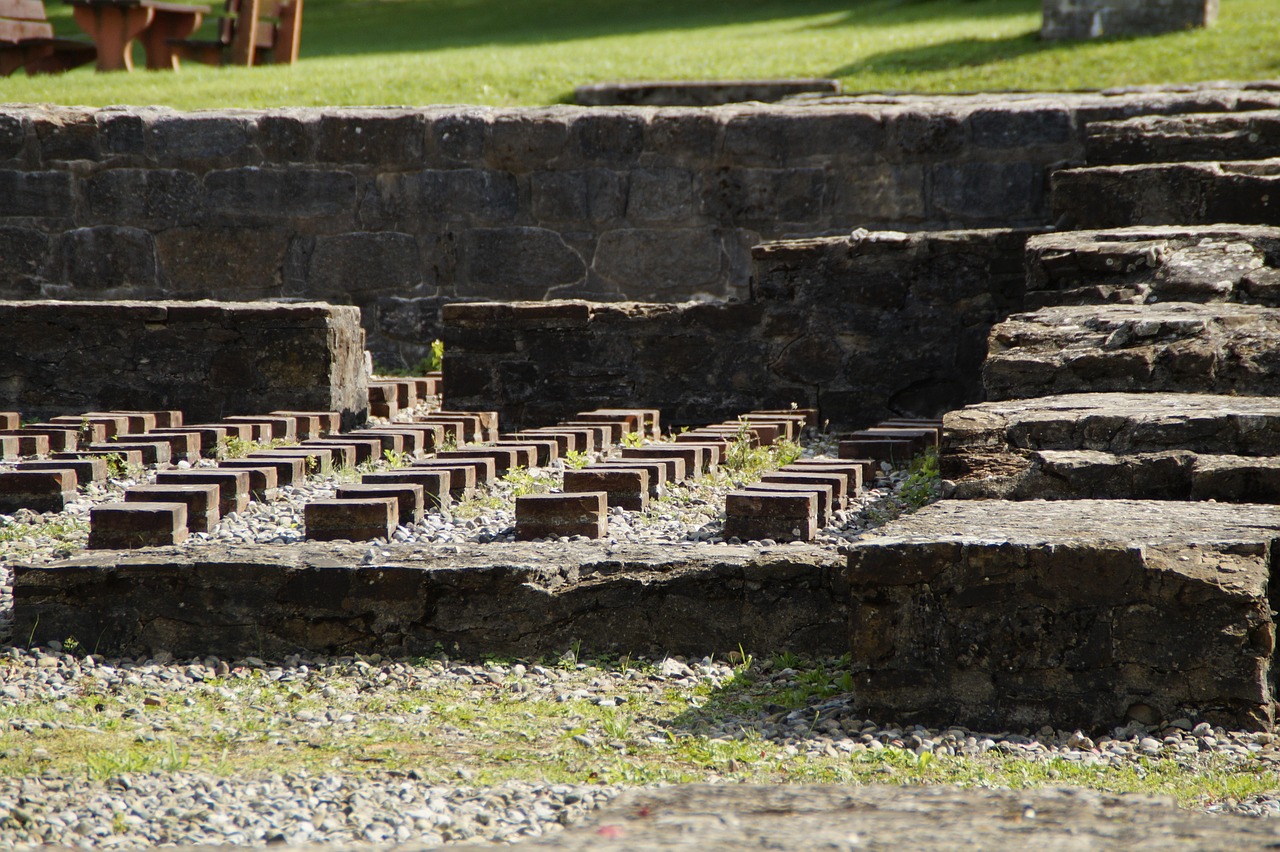
When considering an Addition of a Dwelling Unit (ADU) to your property, the foundation is more than just concrete beneath the surface-it's a crucial aspect that directly impacts your property value. A solid ADU foundation not only ensures the structural integrity of your new space but also reflects in the overall value of your property. Think of it as a strong foundation for both your home and your investment.
In our community, the popularity of ADUs is growing, driven by the desire for more living space, multi-generational housing, and the potential to generate rental income. However, building an ADU isn't a one-size-fits-all project. Local regulations, the complexity of your design, and the chosen foundation materials all play a role in determining the cost and timeline. This means a solid adu foundation planning is not just about preventing settling issues; it's also about maximizing your return on investment.
For a beginner's guide to ADU foundation planning, it's crucial to start with a thorough understanding of local building permits and zoning laws. These regulations dictate everything from the size and location of your ADU to the type of foundation allowed. Working with experienced ADU foundation contractors familiar with these local codes can save you valuable time and avoid costly mistakes. They can guide you in selecting the best foundation materials for your project, whether budget-friendly concrete slab or more innovative options, ensuring a strong and durable foundation.
Successful ADU projects often involve careful planning and consideration of potential future changes. Think about accessibility and how the ADU might be used by different generations or individuals with varying needs. Nearby adu foundation companies with a reputation for quality and reliability are essential for ensuring a solid foundation that will withstand the test of time. By prioritizing expert advice, adherence to local regulations, and the right materials, you're not just building an ADU-you're investing in your community's future, creating valuable space, and potentially boosting your property value.
Local Initiatives: ADU for Affordable Housing

In our vibrant community, the rise of Accessory Dwelling Units (ADUs) presents a unique opportunity to address affordable housing challenges. The city's recent initiatives promote ADUs as a sustainable solution, encouraging more developers and homeowners to explore this option. For building a solid ADU foundation, local expertise and proper planning are crucial.
Local ADU foundation contractors have seen a surge in demand, driven by the city's supportive regulations and growing interest from homeowners seeking to add valuable space. Many older homes in desirable neighborhoods lack adequate foundation structures, making ADU construction a complex yet rewarding endeavor. Experienced contractors, who understand the unique requirements of each project, are key to ensuring a robust foundation. They employ a range of techniques and materials, from traditional concrete to budget-friendly alternatives, depending on the project's complexity and client's needs.
While the initial investment in a solid ADU foundation is essential, long-term maintenance matters in ensuring the structure's integrity. Top-rated ADU foundation solutions often include comprehensive warranties and after-care services, guaranteeing peace of mind for homeowners. Regular inspection and minor repairs can prevent significant, costly issues down the line, contributing to the overall value of the property. By prioritizing adu foundation planning and working with reputable local contractors, our community can foster a thriving market for affordable, well-built ADUs, enhancing the quality of life for many residents.
Neighborhood Engagement: ADU Planning Workshops

In our vibrant community, the rise of Accessory Dwelling Units (ADUs) has sparked a local movement towards sustainable living and creative housing solutions. At the heart of this transformation lies the crucial aspect of ADU foundation planning, which demands a unique blend of expertise and community engagement. To cater to this growing need, our local businesses have stepped up, offering specialized services that ensure robust and eco-friendly ADU foundations. One standout initiative is the Neighborhood Engagement: ADU Planning Workshops, hosted by leading local experts.
These workshops have become a cornerstone of responsible ADU development. They provide an invaluable platform for homeowners, developers, and contractors to gain insights into the intricacies of ADU foundation planning. Through interactive sessions, participants learn about navigating local regulations, understanding budget-friendly materials, and exploring sustainable options that align with our community's values. Many attendees have expressed interest in utilizing recycled materials and innovative construction techniques, reflecting a desire for both cost-efficiency and environmental responsibility. By fostering open dialogue and sharing real-world examples, these workshops empower participants to make informed decisions, ensuring their ADU projects meet both quality and community standards.
When considering the foundation for an ADU, especially in duplexes and multi-family homes, the choices go beyond traditional methods. Local contractors are increasingly offering sustainable ADU foundation options, leveraging advanced concrete techniques and eco-conscious materials. These choices not only contribute to a reduced environmental footprint but also offer long-term cost savings. The use of high-density concrete and fiber-reinforced composites can enhance structural integrity while minimizing the need for frequent repairs, aligning with the goal of sustainable and low-maintenance housing. These workshops provide a space to discuss and compare ADU foundation cost estimates, enabling informed financial planning and ensuring projects stay within budget. With the local market showing a steady increase in ADU projects, these initiatives prove invaluable in steering our community towards a more inclusive, sustainable, and resilient future.
Building Code Compliance: ADU Safety Standards
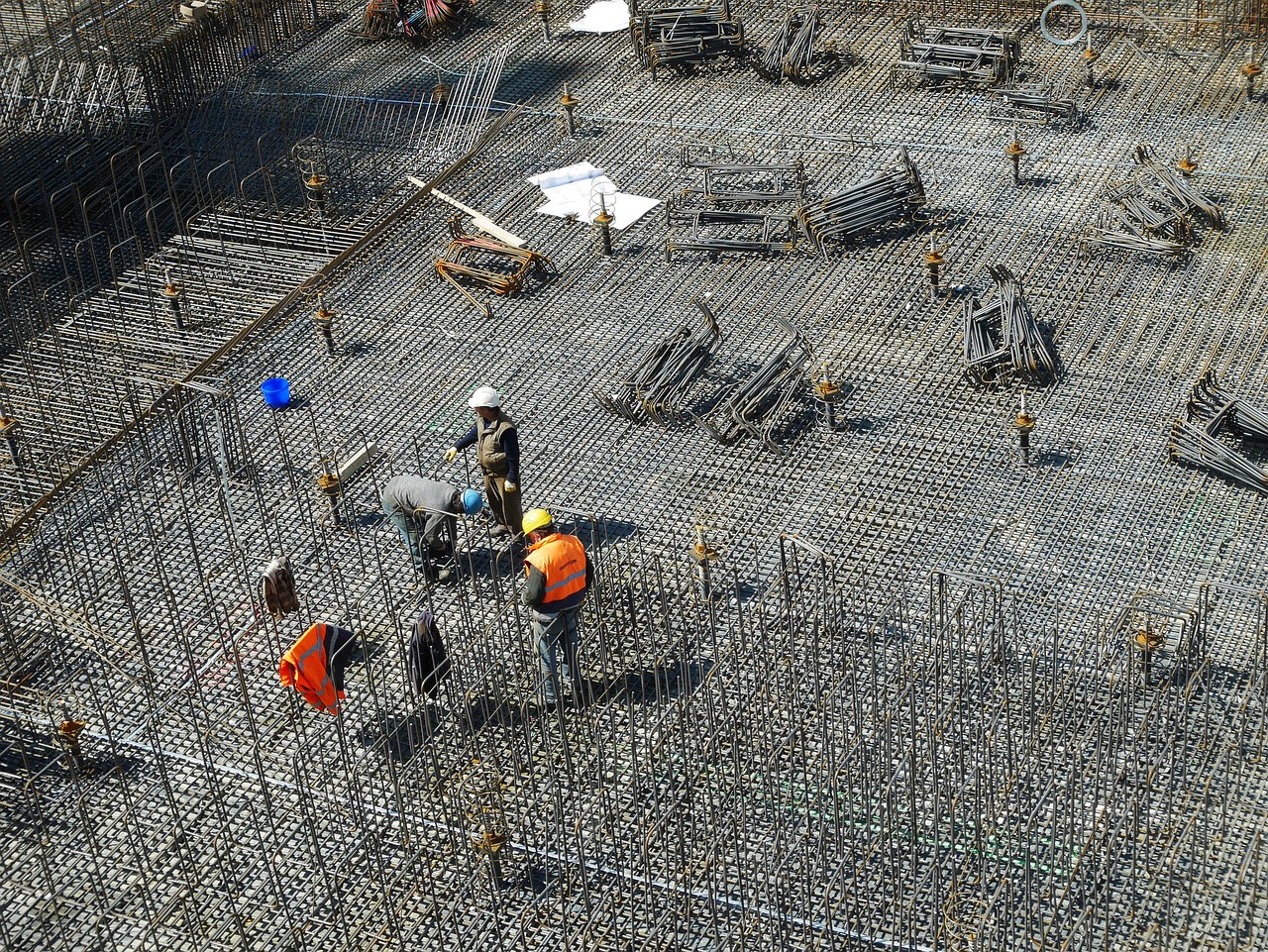
When building an Accessory Dwelling Unit (ADU) in our community, the safety and structural integrity of your foundation are paramount. At the heart of any successful ADU project lies a solid, code-compliant foundation.
Focusing on adu foundation planning is crucial, even for those new to the process. It's a complex task that requires an understanding of local permits (including any specific adu foundation permits) and building codes. Our city may have specific requirements for load-bearing walls, soil conditions, and drainage that must be addressed. Ignoring these can lead to costly structural issues down the line. That's why consulting with trusted local ADU foundation builders experienced in navigating these regulations is key. They can provide expert advice, ensuring your project stays on track and meets all safety standards.
Beyond permits, the foundation itself presents several choices. Budget-friendly materials like concrete, properly mixed and placed, offer a strong foundation for most ADU projects. However, project complexity, local climate, and long-term goals for the space should also guide material selection. A multi-family housing project might require a more durable foundation than a single-family granny flat. Engaging with ADU experts can help you weigh these factors and select the best materials for both safety and longevity. Remember, a solid foundation is the backbone of any successful ADU, supporting both the structure and community value.
Community Benefits: Diverse Housing Solutions
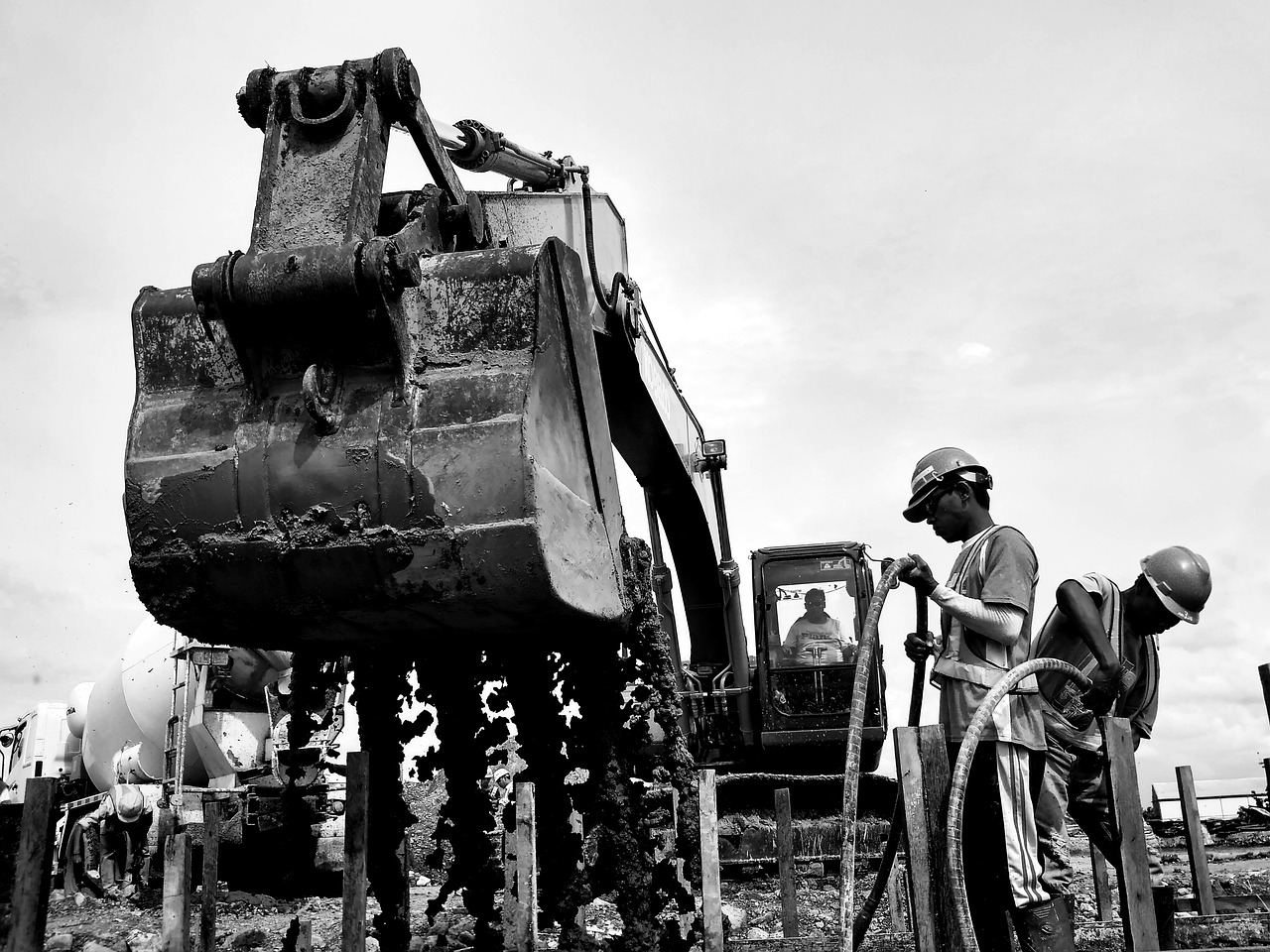
In the vibrant community of [city], the rise of Accessory Dwelling Units (ADUs) is a sign of the innovative spirit and diverse housing needs of our residents. As a community-focused city, we understand that providing various housing solutions is key to fostering a strong, inclusive neighborhood. A solid ADU foundation is not just about structural integrity; it's about building a future where every individual and family can find a place they call home.
When planning an ADU foundation, local experts emphasize the importance of understanding our unique market dynamics. Unlike traditional construction, ADUs require a tailored approach that considers our community's specific needs and local regulations. Many successful ADU projects in our area have transformed underutilized spaces into modern, self-contained units, adding much-needed housing stock. The best materials for ADU foundation, as recommended by local professionals, balance durability, cost-effectiveness, and compliance with our strict building codes. Concrete, for example, is a popular choice due to its strength and longevity, but budget-friendly alternatives like reinforced concrete blocks can also meet the requirements, ensuring a solid foundation that stands the test of time and local conditions.
A beginner's guide to ADU foundation planning should start with a thorough understanding of local regulations and zoning laws. Our city's building permits and inspection requirements are designed to maintain the safety and integrity of our neighborhoods. By adhering to these guidelines, residents can avoid common pitfalls and ensure their projects are up to code. The result? A seamless transition from planning to construction, leading to successful ADU foundation projects that enhance our community's diverse housing solutions. Local contractors who specialize in ADU construction play a pivotal role in turning these plans into reality, offering professional advice and expertise that guarantees a solid foundation and, ultimately, a thriving community.
Quick Reference
-
Engage with Local Homeowners' Associations (HOAs): Present ADU benefits and seek their support for code changes facilitating ADU construction.
-
Partner with Local Contractors: Collaborate on workshops or events to educate residents on the advantages and process of building an ADU.
-
Offer Incentives for Green ADUs: Encourage sustainable practices by providing discounts or rebates for eco-friendly ADU installations.
-
Host Community ADU Design Workshops: Facilitate collaborative design sessions, empowering residents to envision and create unique, location-focused ADUs.
-
Partner with Local Universities for Research: Collaborate on studies to understand ADU's impact on housing affordability and community vibrancy.
-
Promote ADU as a Solution for Aging in Place: Highlight how ADUs can provide independent living options for seniors within their communities.
-
Establish an ADU Resource Center: Create a physical or digital hub offering information, permits, and connections to local ADU experts.
-
Advocate for Zoning Code Reforms: Work with local officials to update zoning laws, making it easier and more affordable to build ADUs.
Revolutionizing Urban Living: A Solid ADU Foundation in Action
Local Challenge
In dense urban areas, expanding housing options to meet the growing demand for affordable and accessible living has become a significant challenge. This presented a barrier to increasing housing density, a crucial strategy for addressing the housing crisis.
Local Solution
In response, a collaborative initiative was launched between local government, developers, and contractors to pilot a new approach to ADU construction. The focus was on building a solid foundation that could support the additional structural load while adhering to modern safety standards. This involved:
-
Code Revision: Local building officials worked with industry experts to update the city's building codes, specifically targeting ADU construction. This revision included simplified permitting processes and guidelines for reinforced foundations.
-
Pilot Project: A group of five local contractors was selected to build a series of ADUs, each with a unique design, to showcase best practices. These pilot projects served as a learning ground for developers, architects, and contractors, allowing them to experiment with various foundation techniques.
-
Community Engagement: Open forums and workshops were organized to educate residents on the benefits of ADUs and address concerns. This engagement led to a better understanding of community needs and expectations.
Community Impact
The initiative's success was marked by several significant achievements:
- Increased Housing Stock: Within a year, the pilot project resulted in the construction of 15 new ADUs, adding 30 new housing units to the neighborhood.
-
Economic Boost: The project stimulated the local economy, creating 50 new construction jobs and generating $2 million in revenue for participating contractors. This economic activity had a ripple effect, with local suppliers and service providers also benefiting.
- Community Engagement and Empowerment: The initiative fostered a sense of community ownership. This engagement continues to drive local development efforts, with residents actively participating in the city's housing strategy planning.
Local Business FAQ About Best Practices for Building a Solid ADU Foundation
What are the local building codes and regulations for ADU foundations?
Understanding local building codes and regulations is crucial. These guidelines ensure your ADU (Accessory Dwelling Unit) foundation meets safety and zoning standards. Reach out to your local building department to inquire about specific rules, such as permitted construction materials, structural requirements, and distance regulations from property lines. Staying informed about these details prevents costly delays and ensures your project aligns with community standards.
How do I choose the right contractor for my ADU foundation?
Selecting the appropriate contractor is vital for a solid foundation. Consider their experience in building ADUs and request references from previous clients. Check for licenses and insurance to safeguard your investment. Reputable contractors will offer transparent pricing, detailed plans, and post-construction support. Building relationships with locally trusted professionals ensures a reliable and high-quality foundation for your ADU.
Are there any local incentives or grants for ADU construction?
Indeed, many communities offer incentives and grants to promote sustainable living and housing solutions. Research local programs that may provide financial assistance, tax breaks, or rebates for ADU construction. These incentives can offset the costs of building and encourage more residents to explore ADUs as a viable housing option. Contact your local housing authority or city planning department to discover available programs.
What are some energy-efficient foundation options for ADUs?
Energy efficiency is an essential aspect of modern construction. For ADUs, consider foundational materials that offer excellent insulation and heat retention, such as concrete or insulated concrete forms. These options reduce heating and cooling costs, benefiting both the environment and your utility bills. Local building supply stores often carry eco-friendly products tailored to the region's climate, ensuring your ADU remains comfortable year-round.
How can I ensure a strong and durable ADU foundation in our area's soil?
The soil's bearing capacity and stability are critical considerations. Consult a geotechnical engineer to assess your property's soil conditions. They can recommend appropriate foundation types, such as shallow foundations for stable soil or deeper foundations in areas with less stable conditions. Following their advice ensures your ADU foundation can withstand local soil variations, providing a solid and safe structure for years to come.
As we've explored the diverse landscape of ADU foundation planning in our community, it's clear that these secondary dwellings offer a unique opportunity to enhance our neighborhood's resilience, diversity, and property values. By fostering community support for ADU integration, streamlining local permitting processes, and promoting sustainable design practices, we can ensure that ADUs contribute to a vibrant, affordable, and safe living environment for all.
Local contractors play a vital role in building solid ADUs that meet safety standards and enhance property values. Engaging in open dialogue with neighbors through planning workshops allows us to mitigate project risks and ensure that ADU development aligns with our community's needs and vision.
Looking ahead, ADU foundation planning can be a powerful tool in addressing affordable housing challenges. By embracing innovative materials and collaborating with local initiatives, we can create diverse housing solutions that strengthen the fabric of our community and prepare us for a sustainable future.
Building Solid ADU Foundations in Our Community
Our community embraces ADUs as a housing solution, but safe and compliant foundation planning is complex. Local experts guide residents through permitting, offering knowledge on building codes and successful materials like concrete. Community workshops empower homeowners and developers to make informed choices, fostering responsible growth. By prioritizing local expertise and sustainable practices, we ensure a robust ADU market that enhances our community's housing diversity and overall well-being.